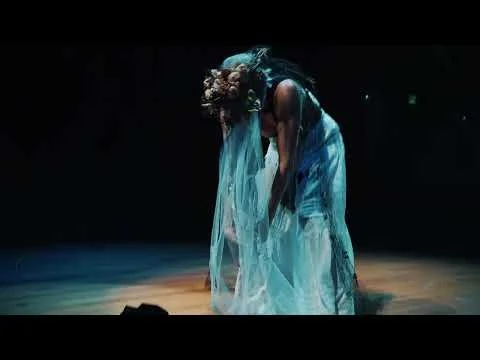
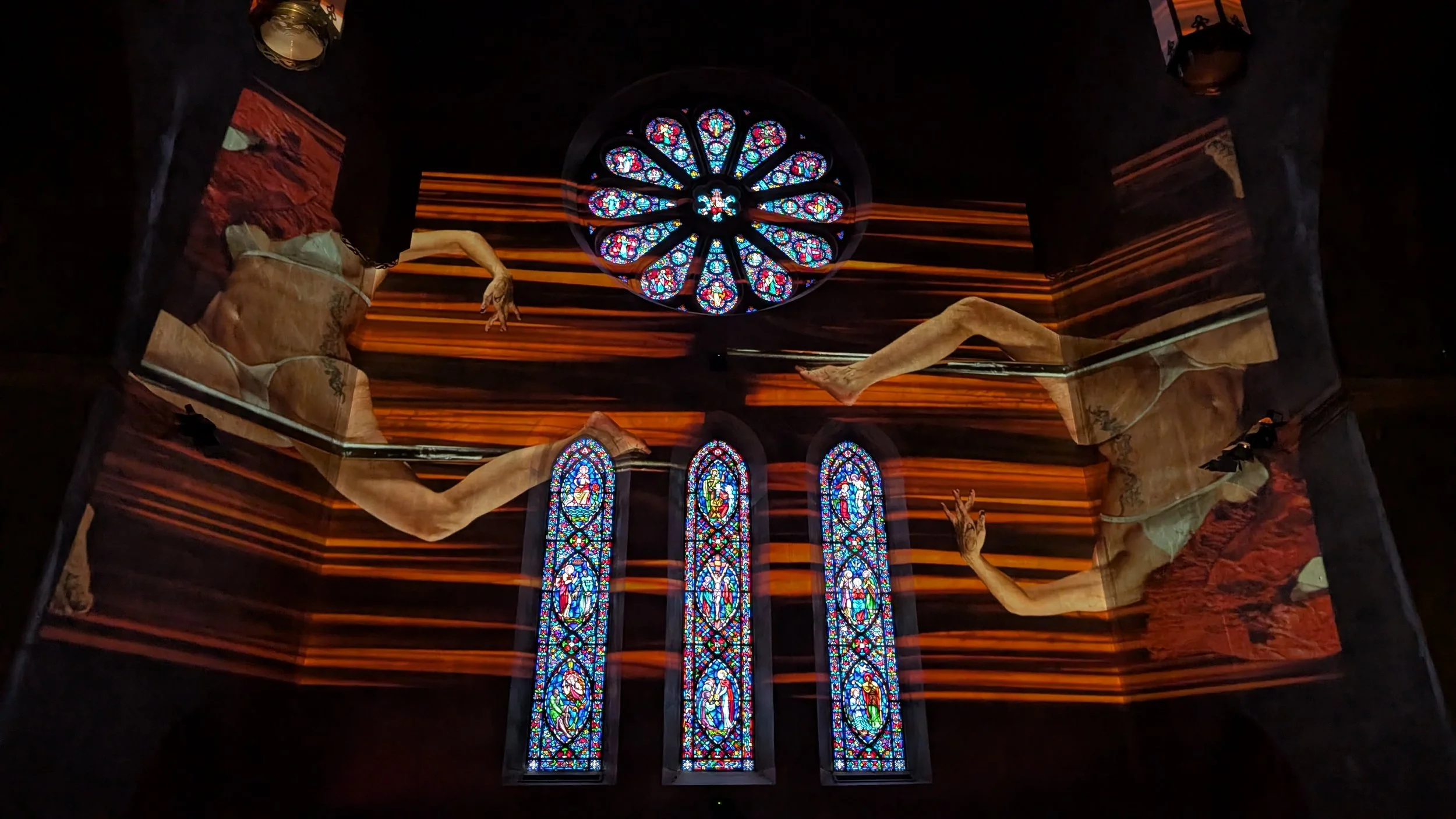
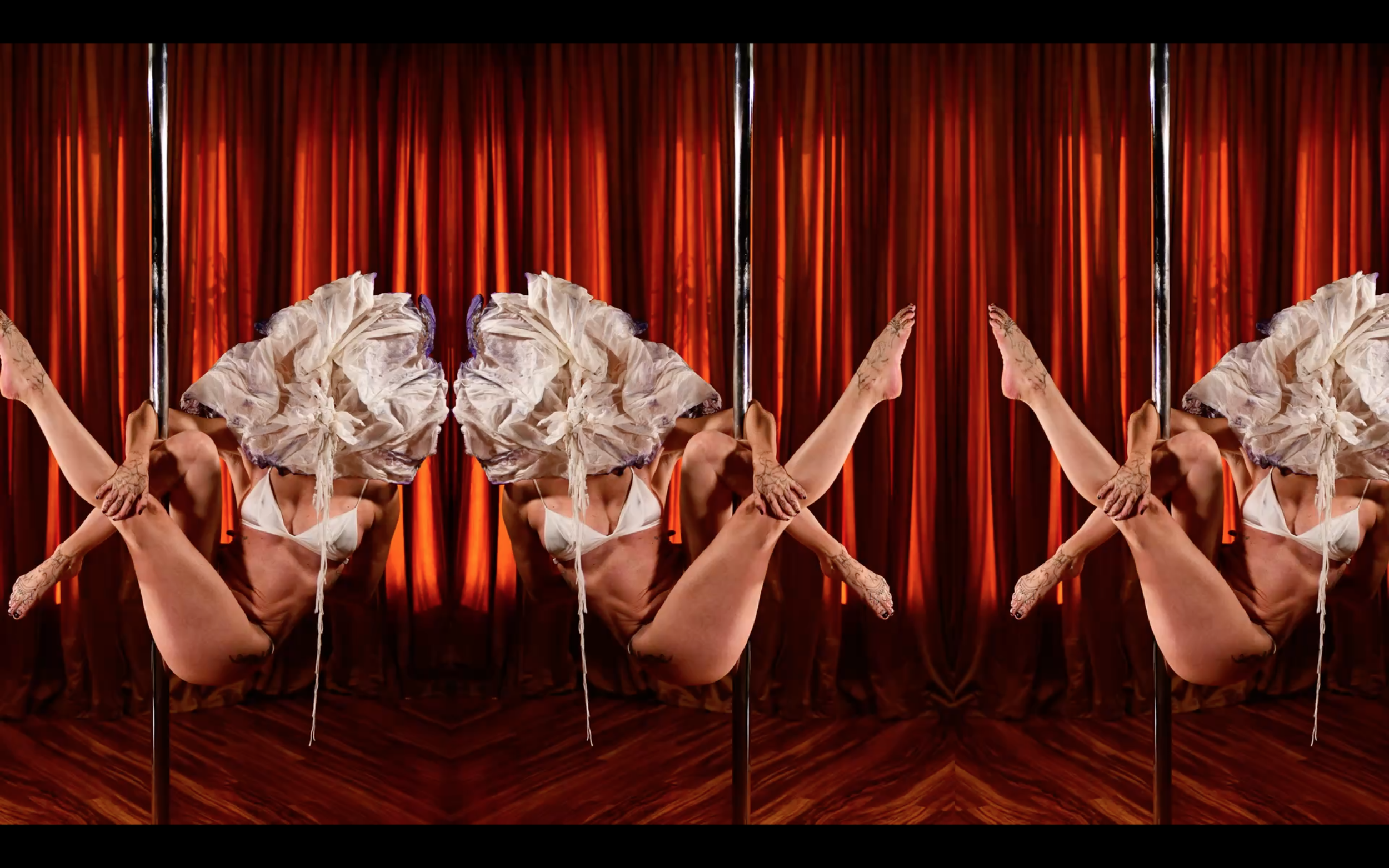
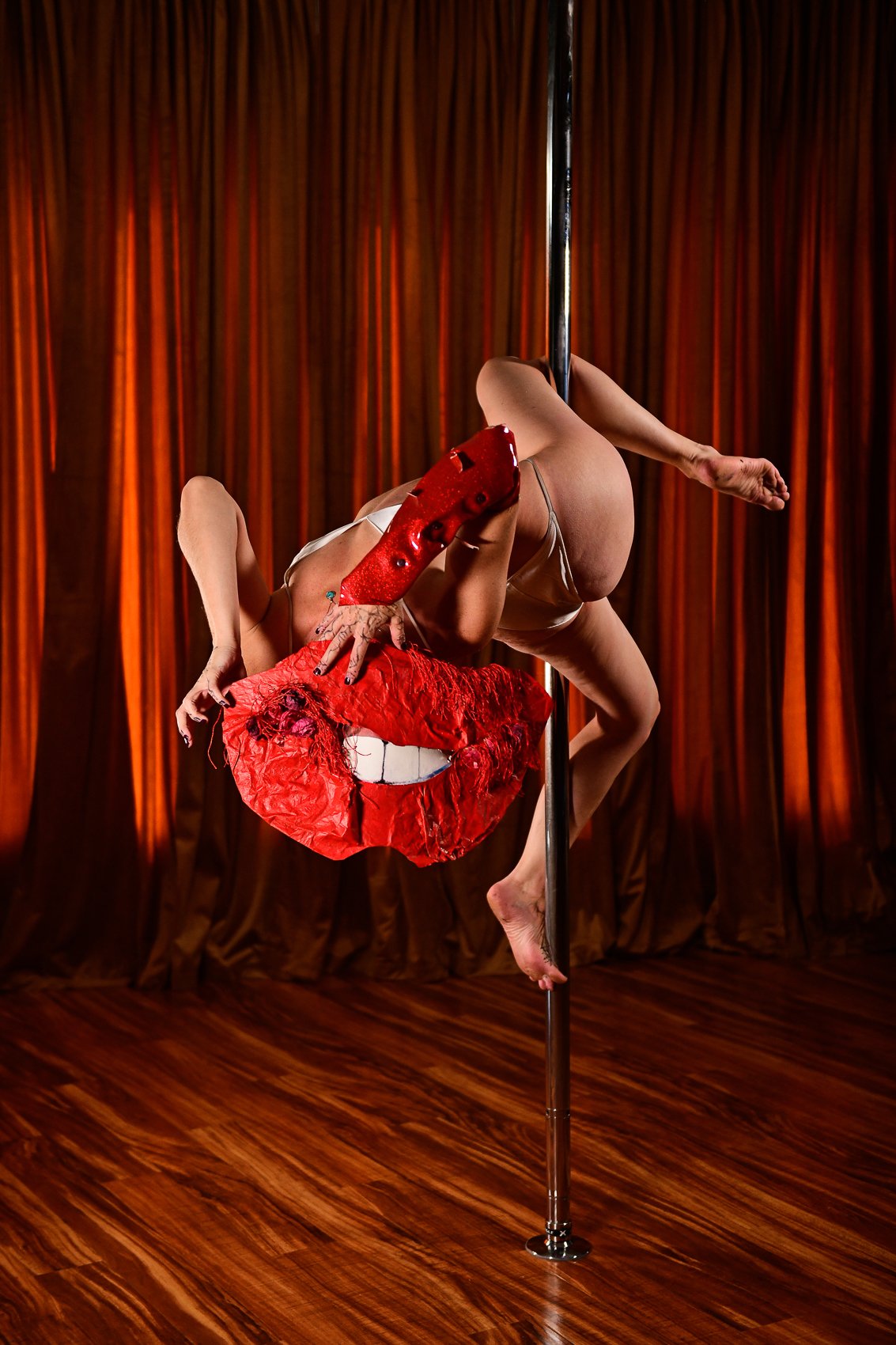
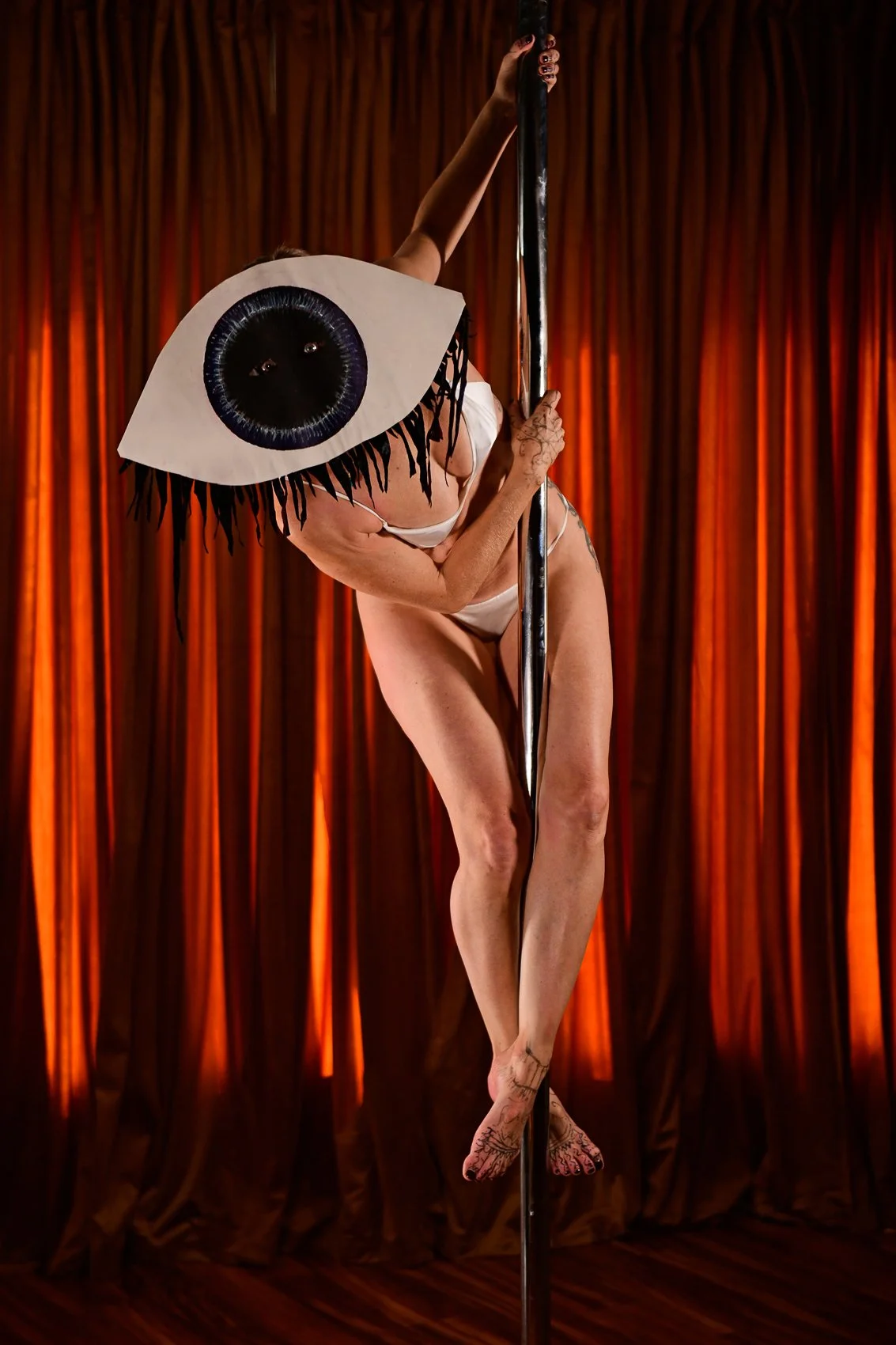
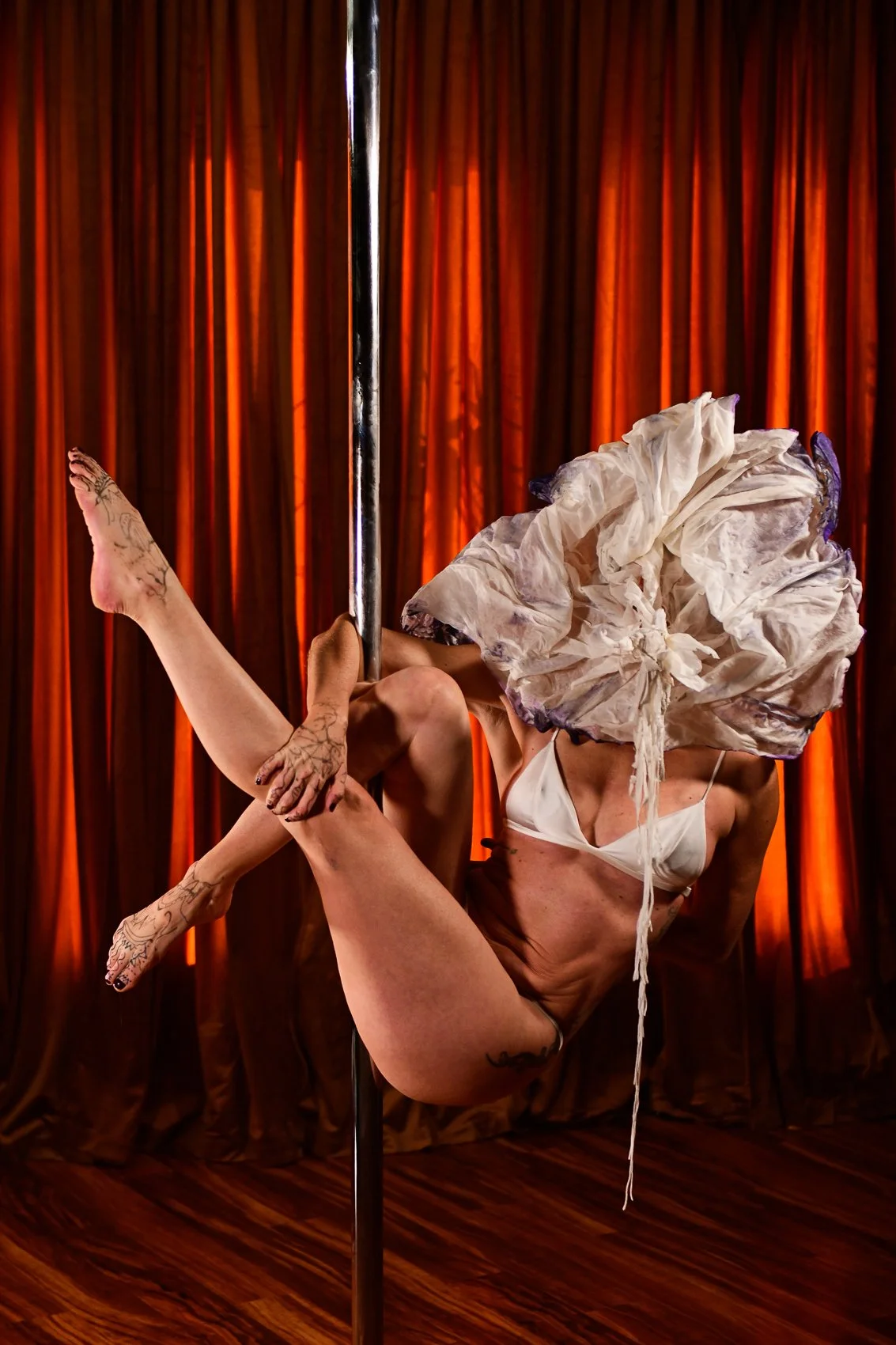
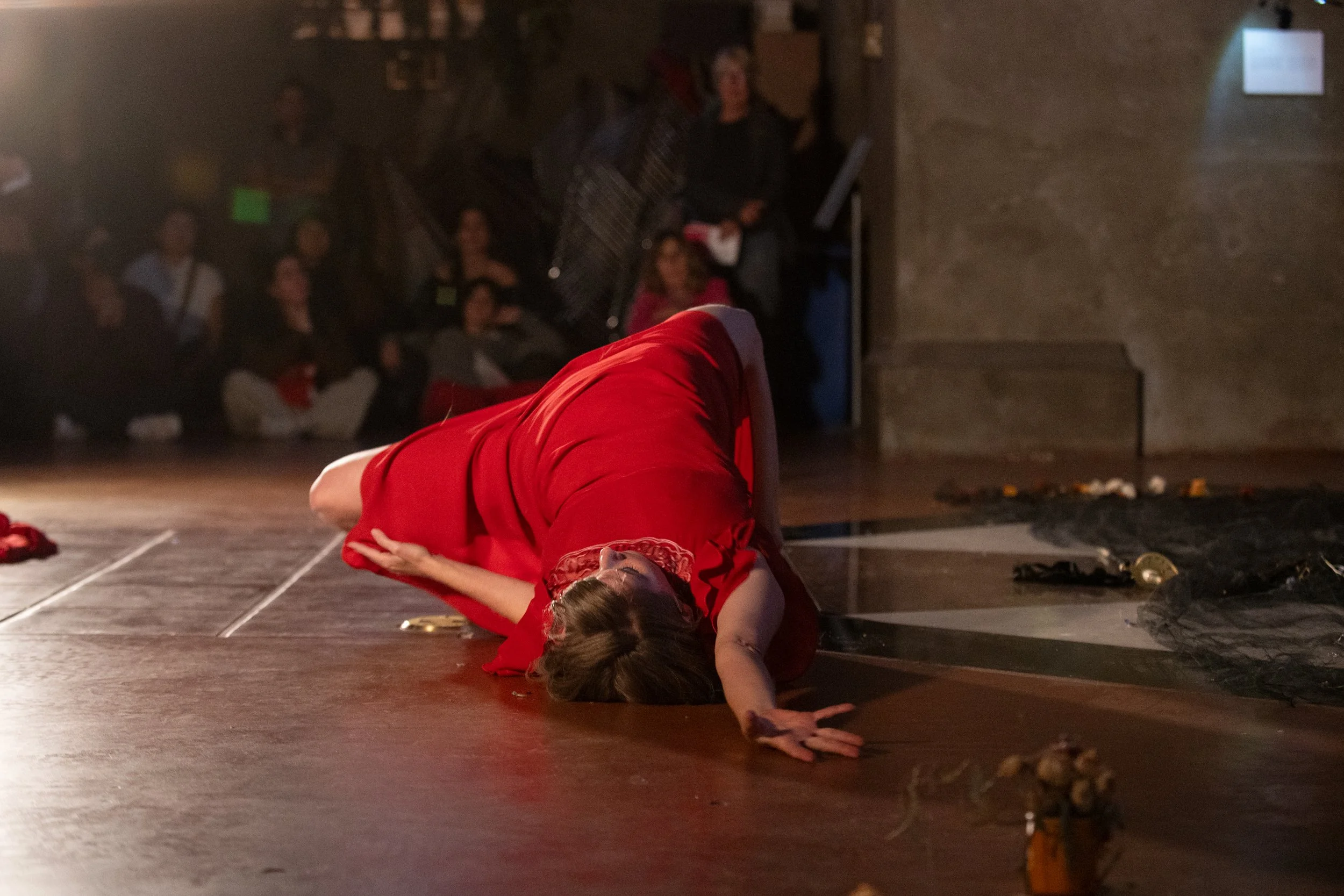
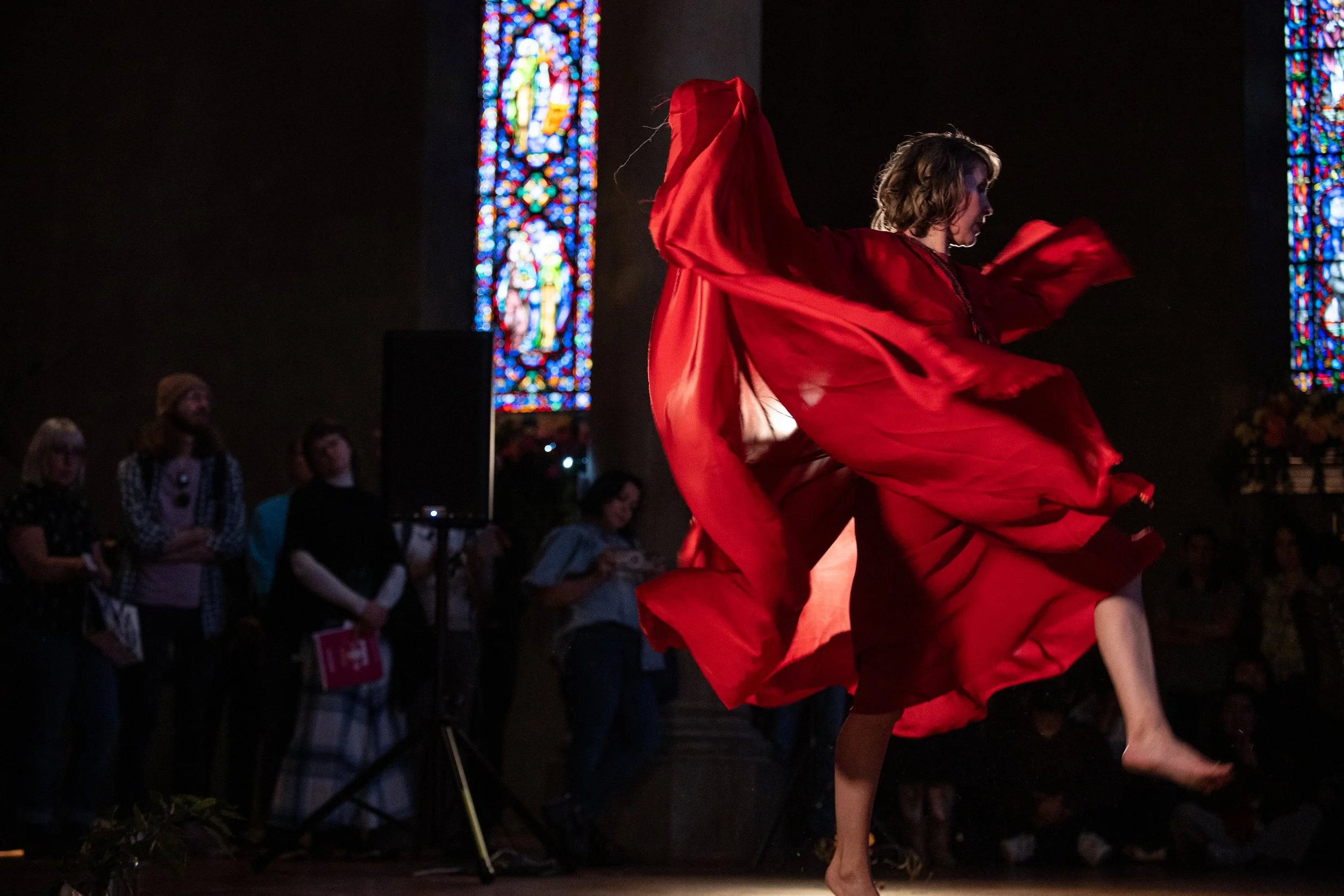
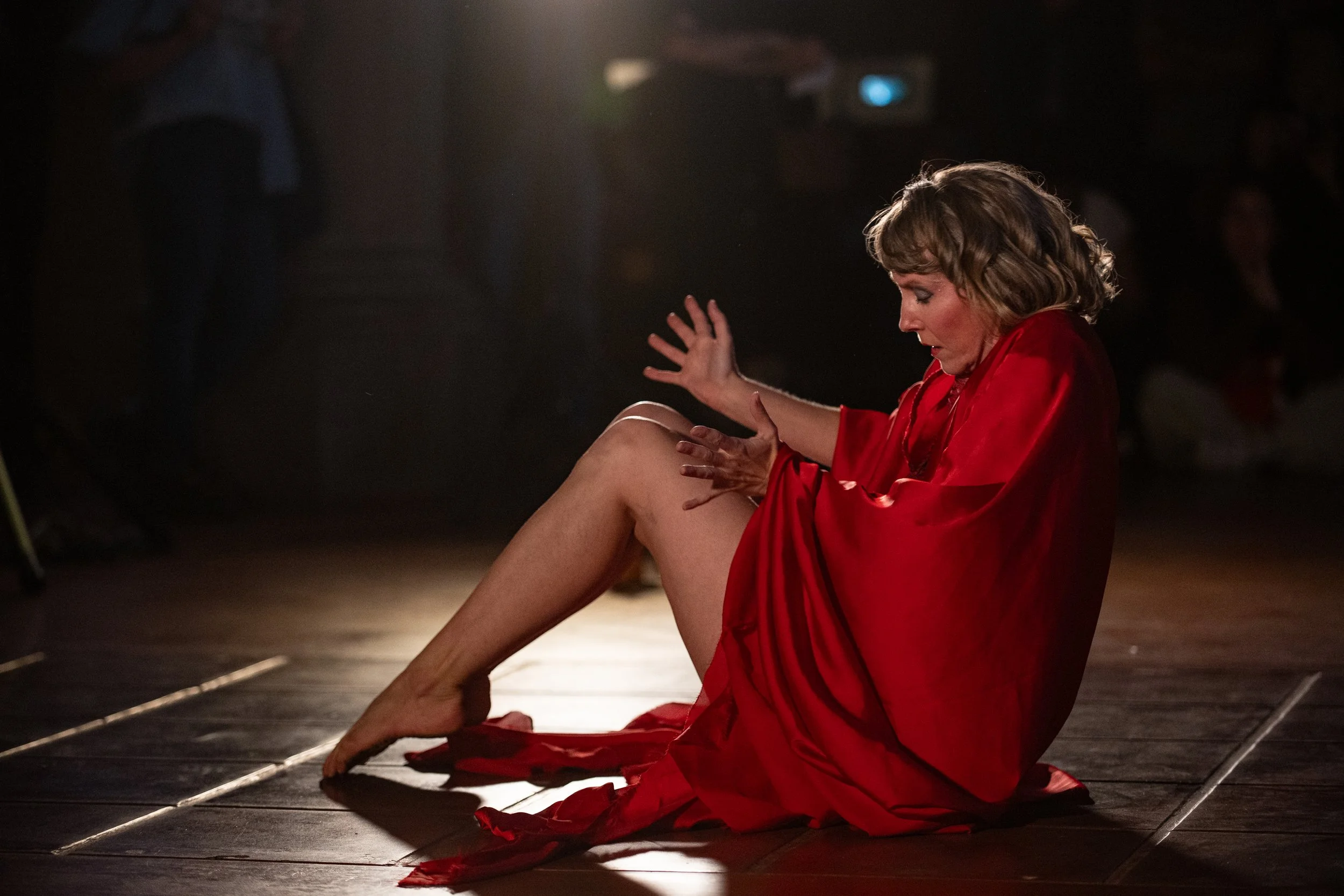
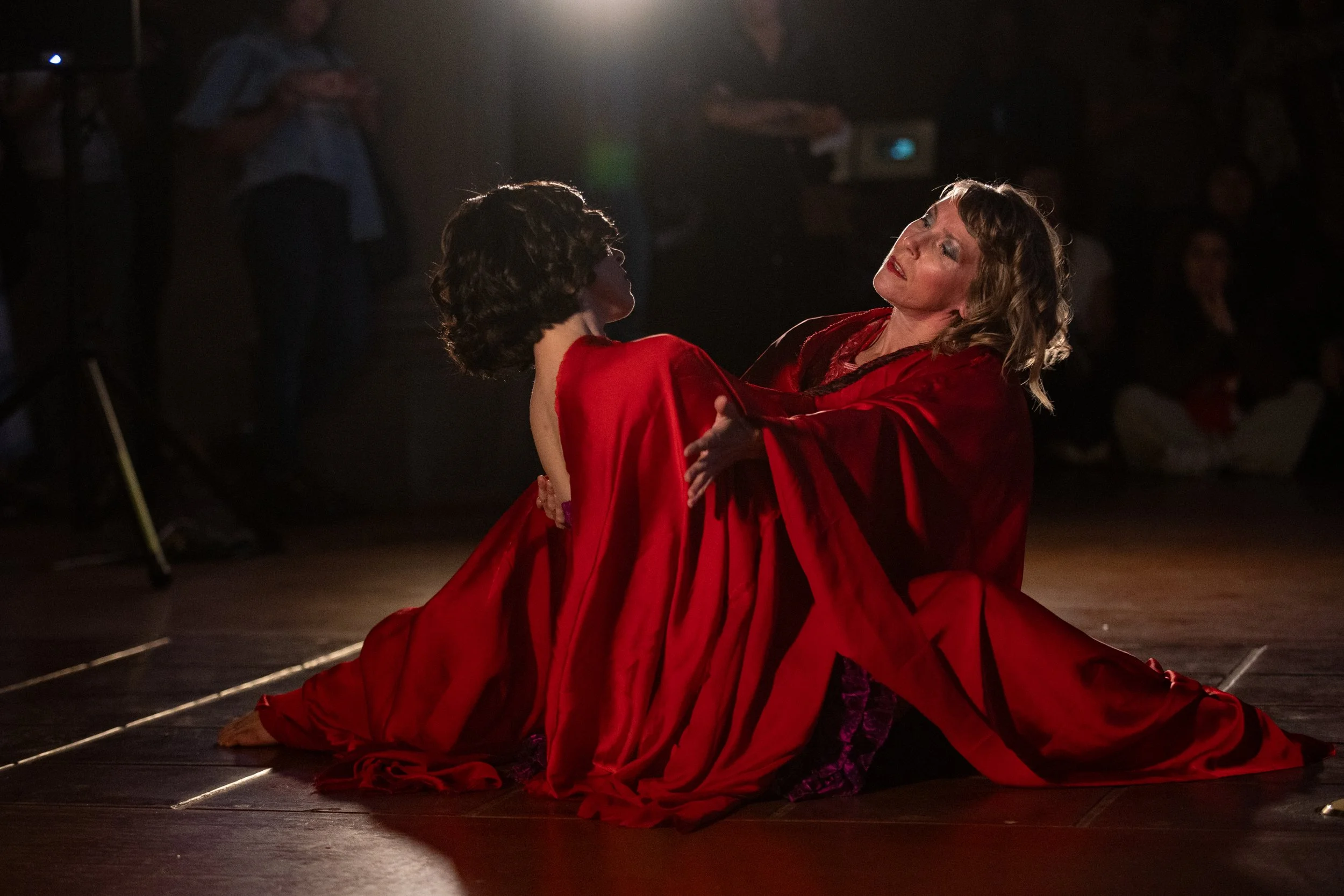
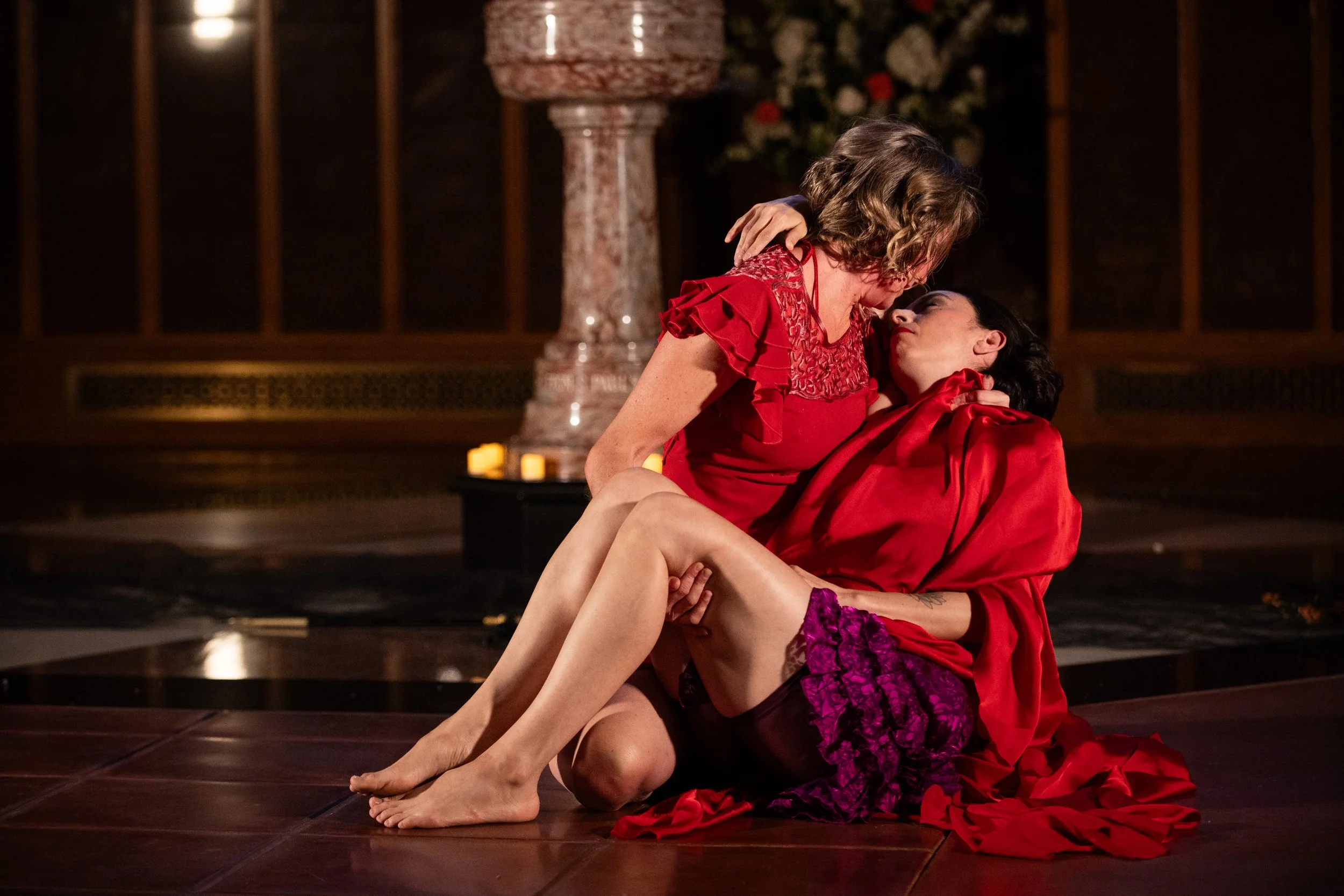
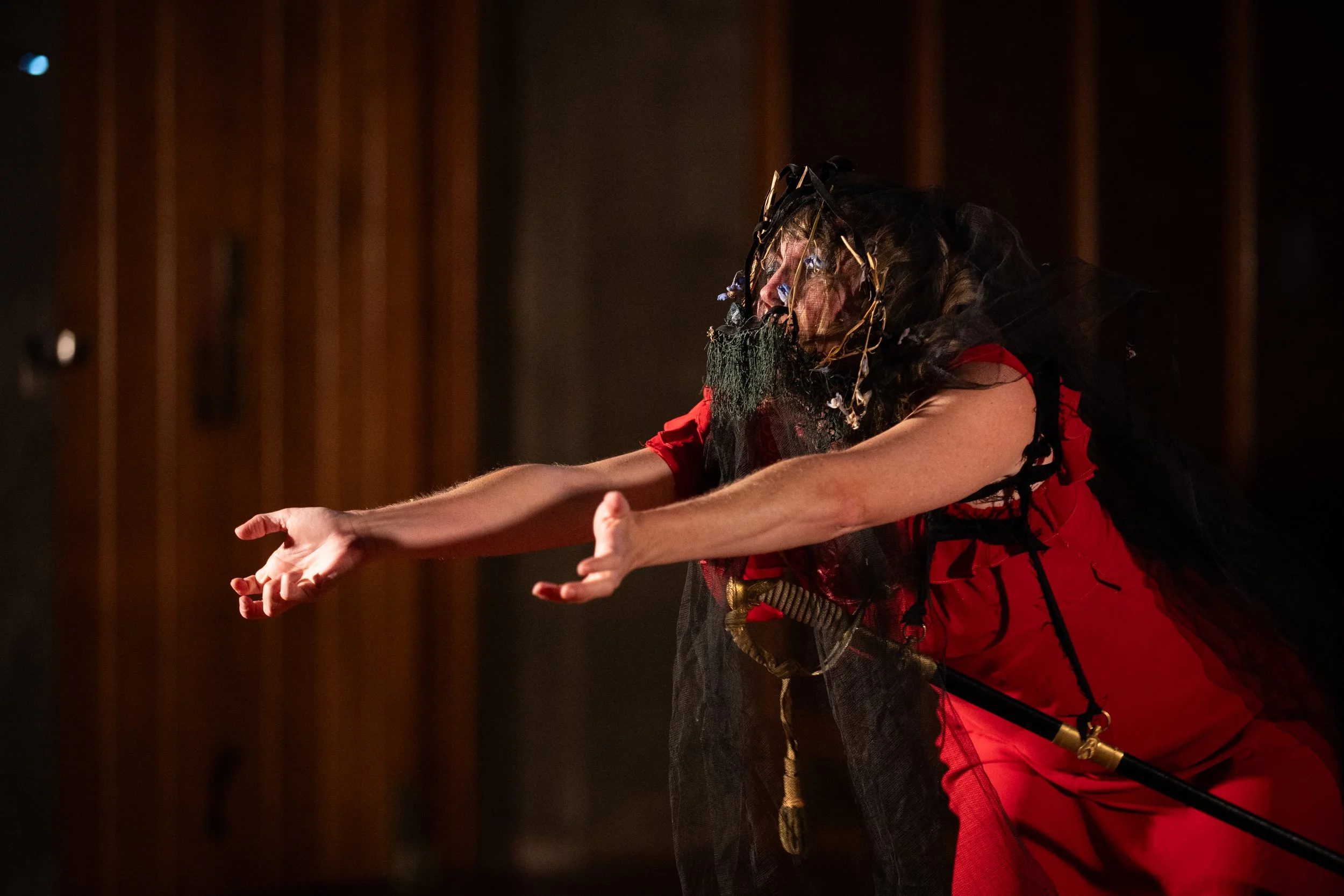
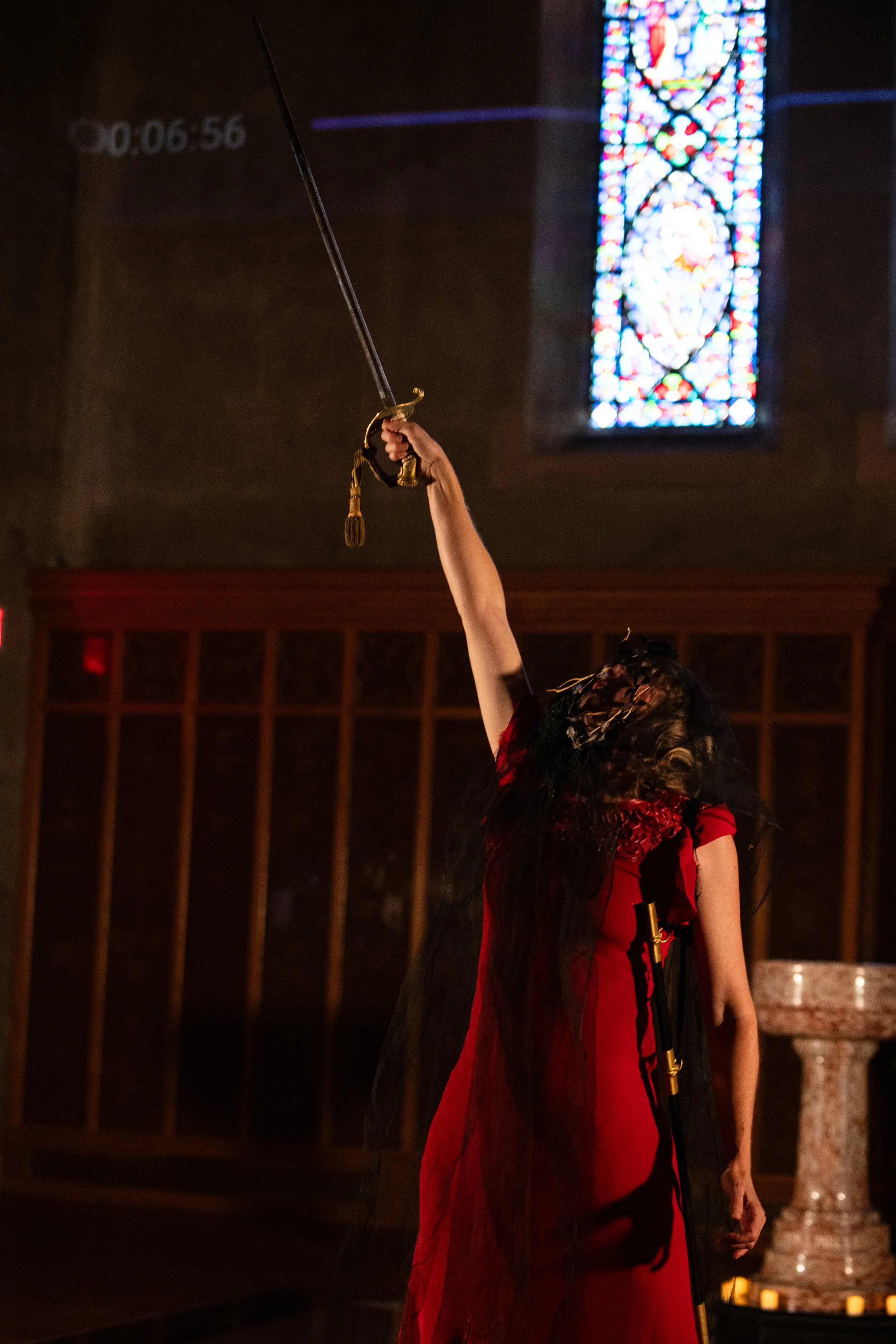
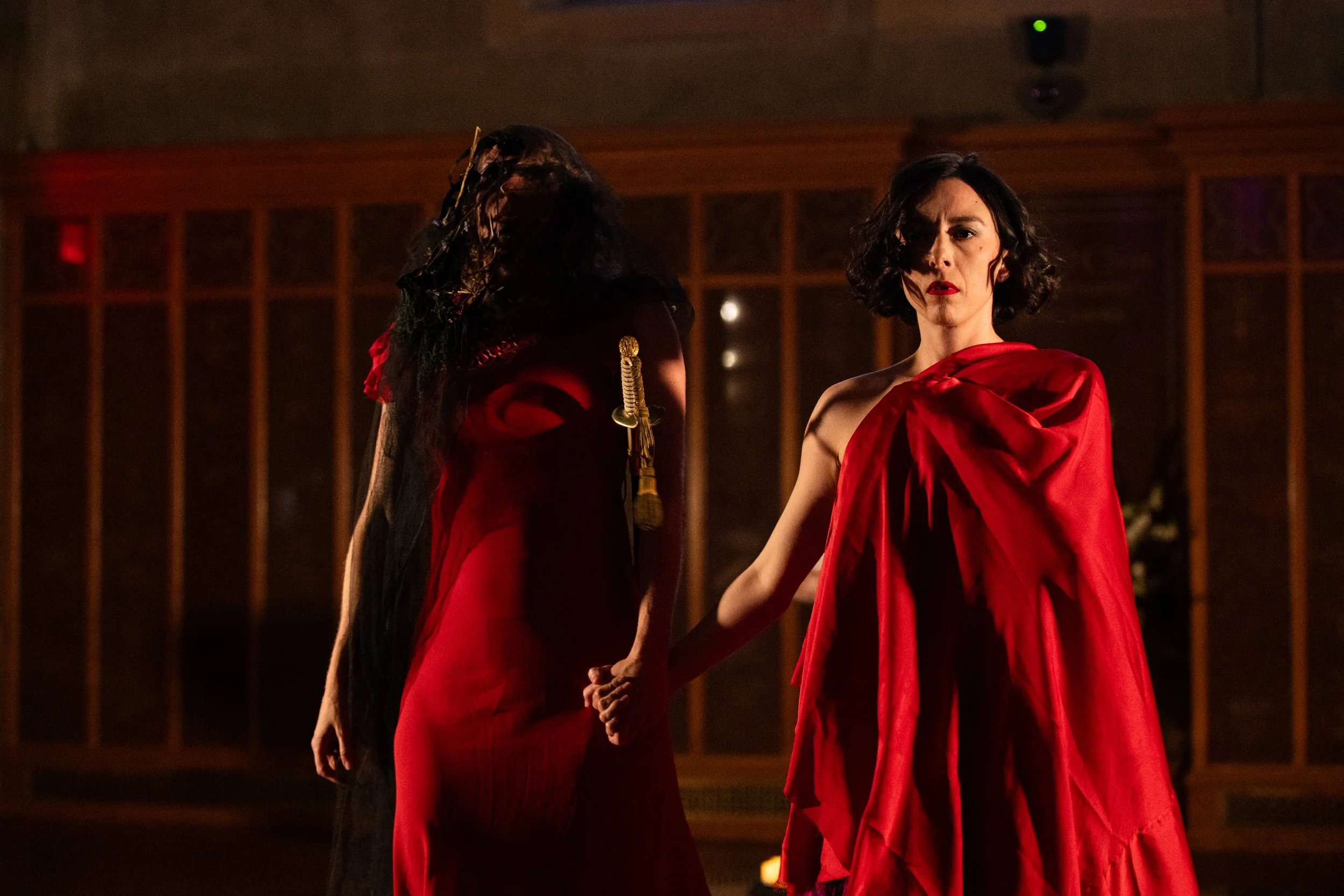
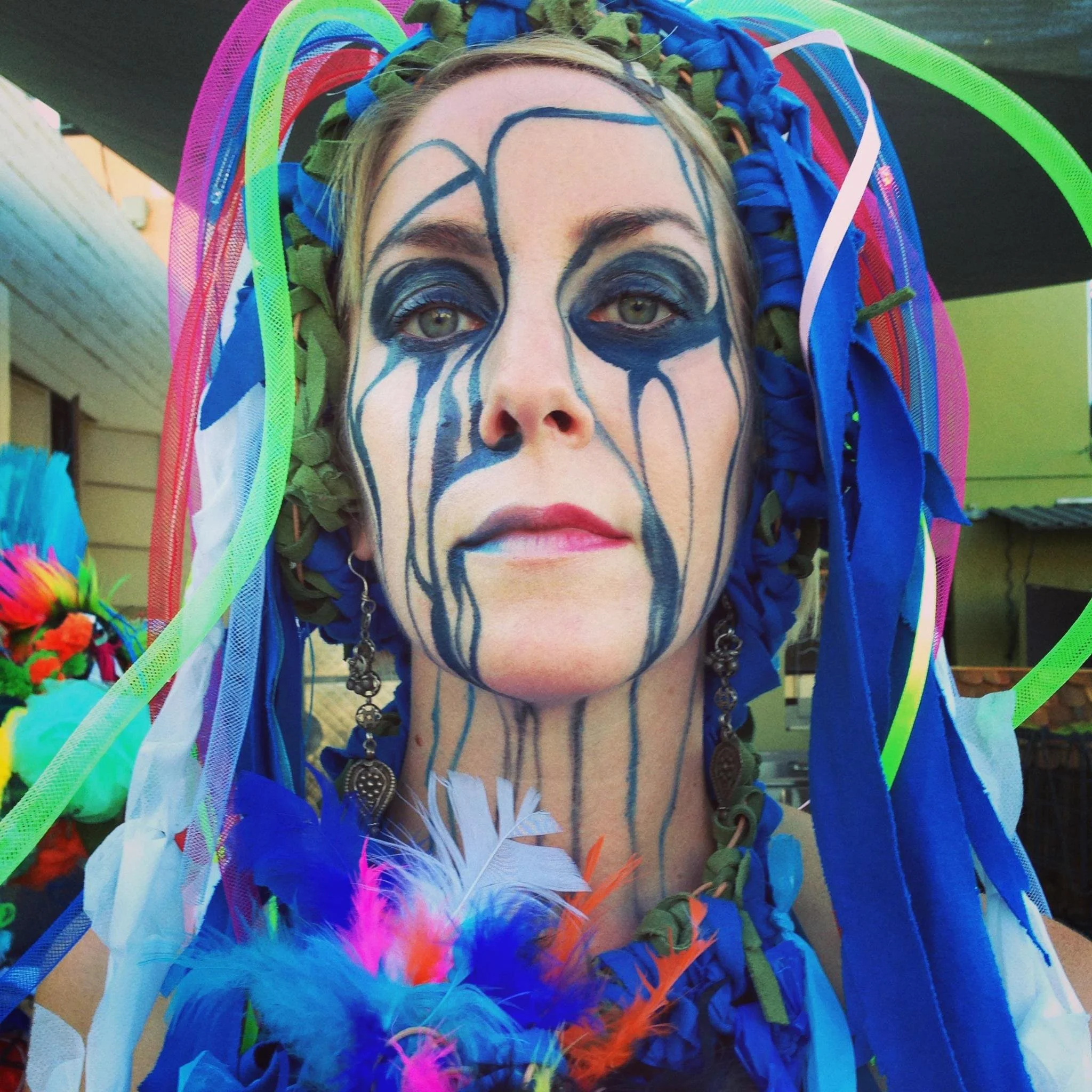
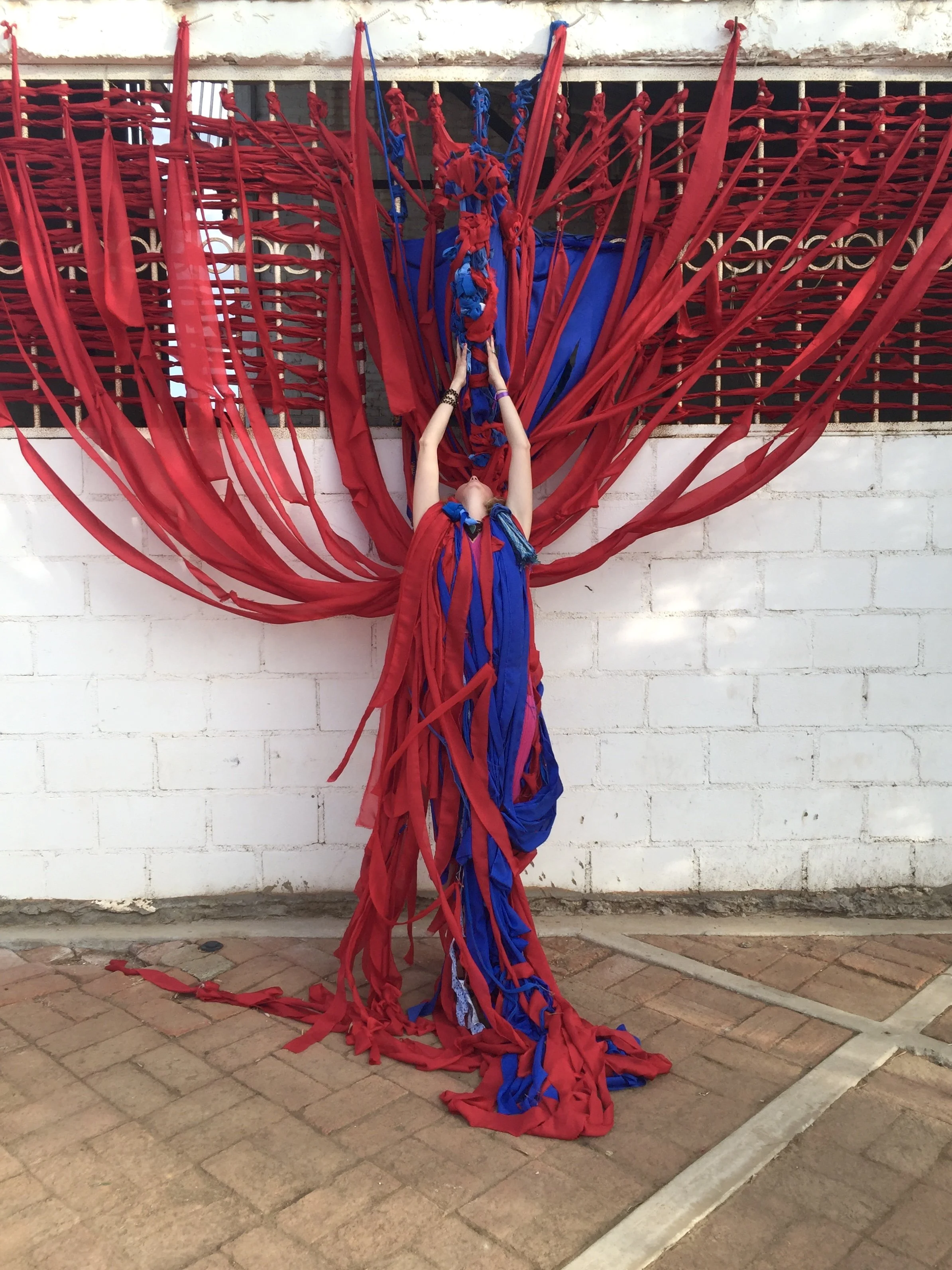
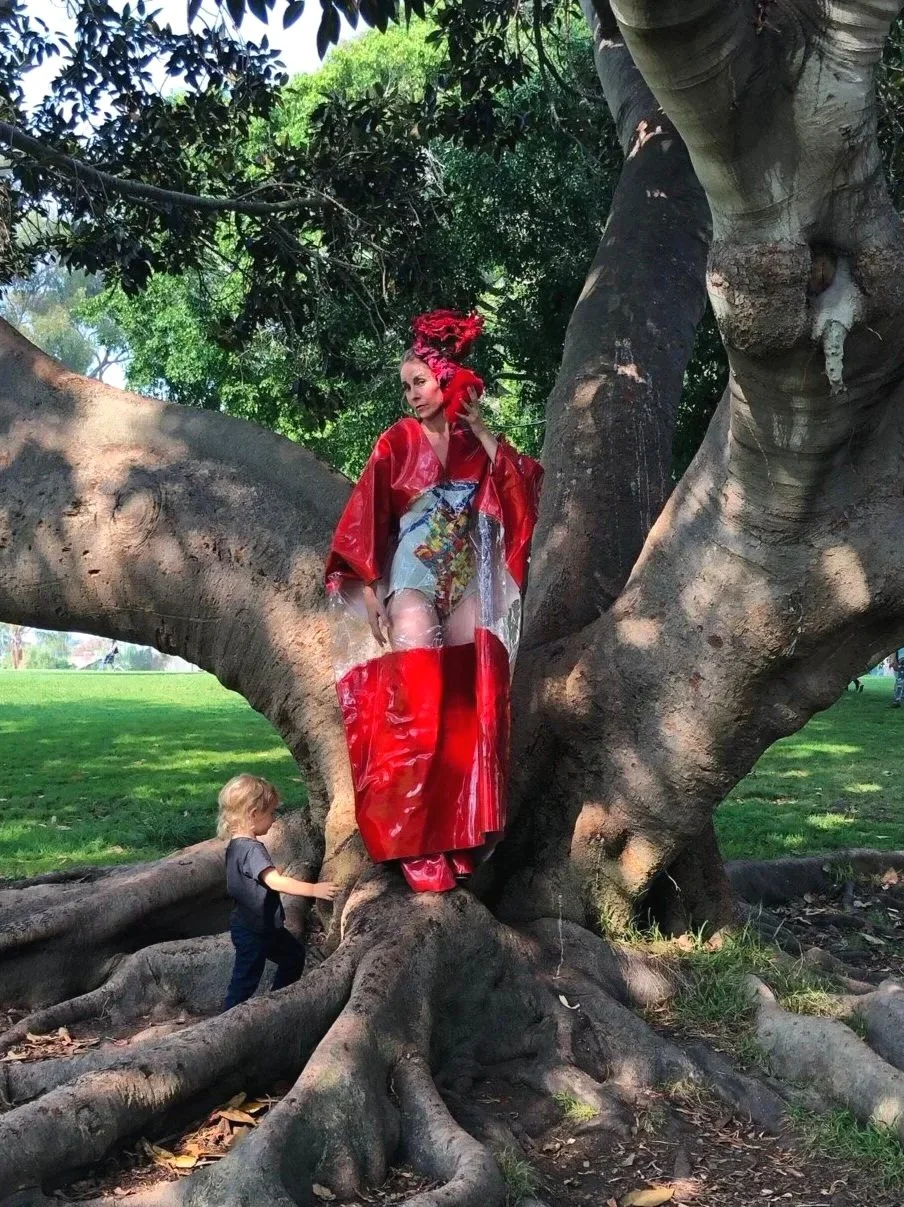
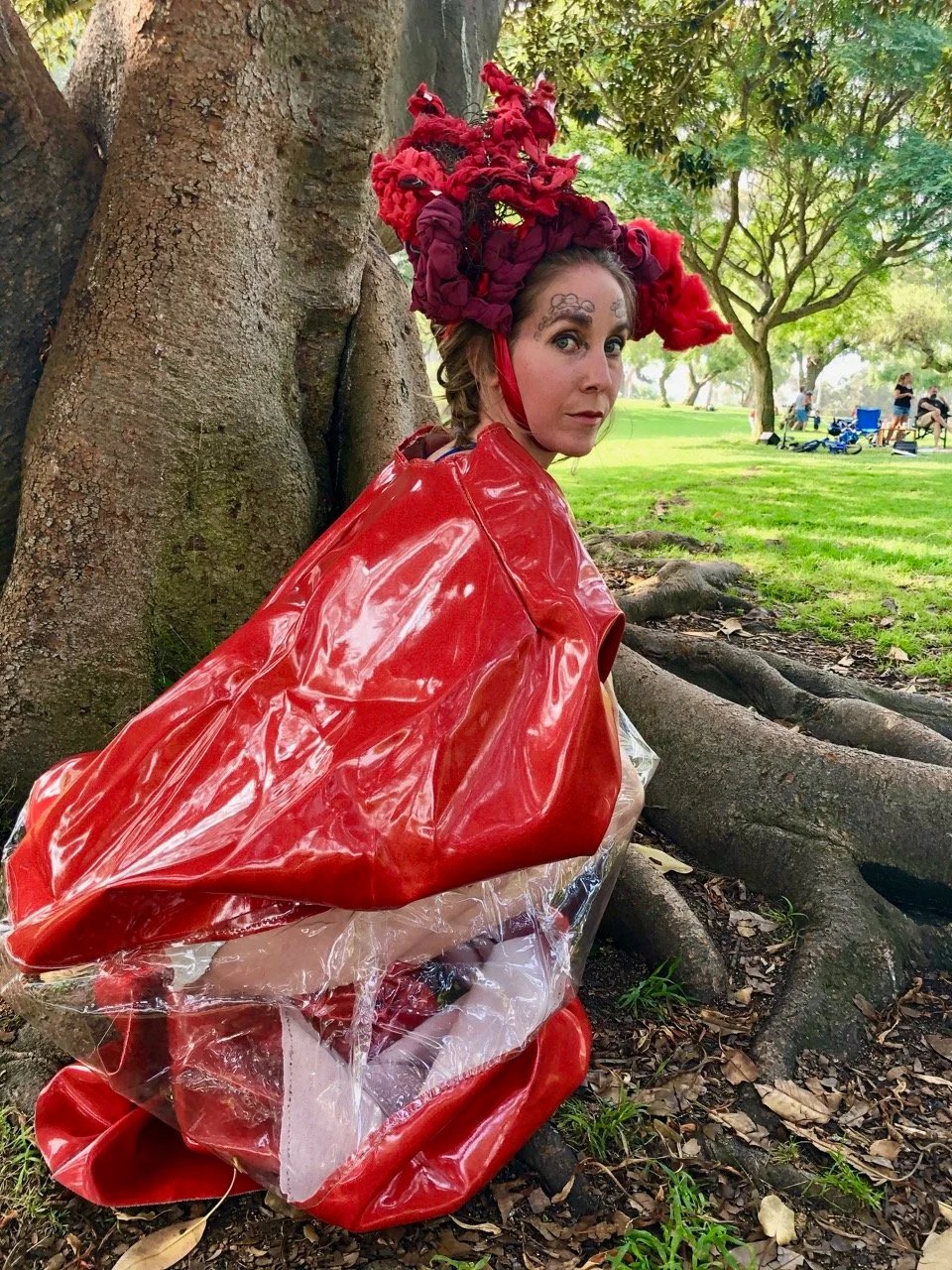
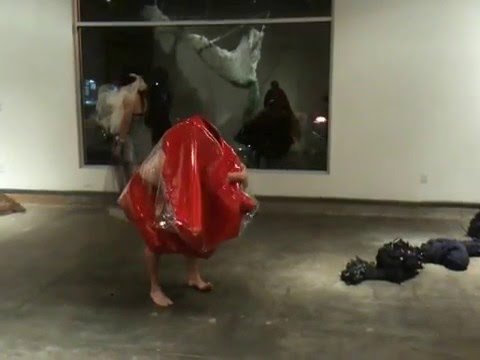
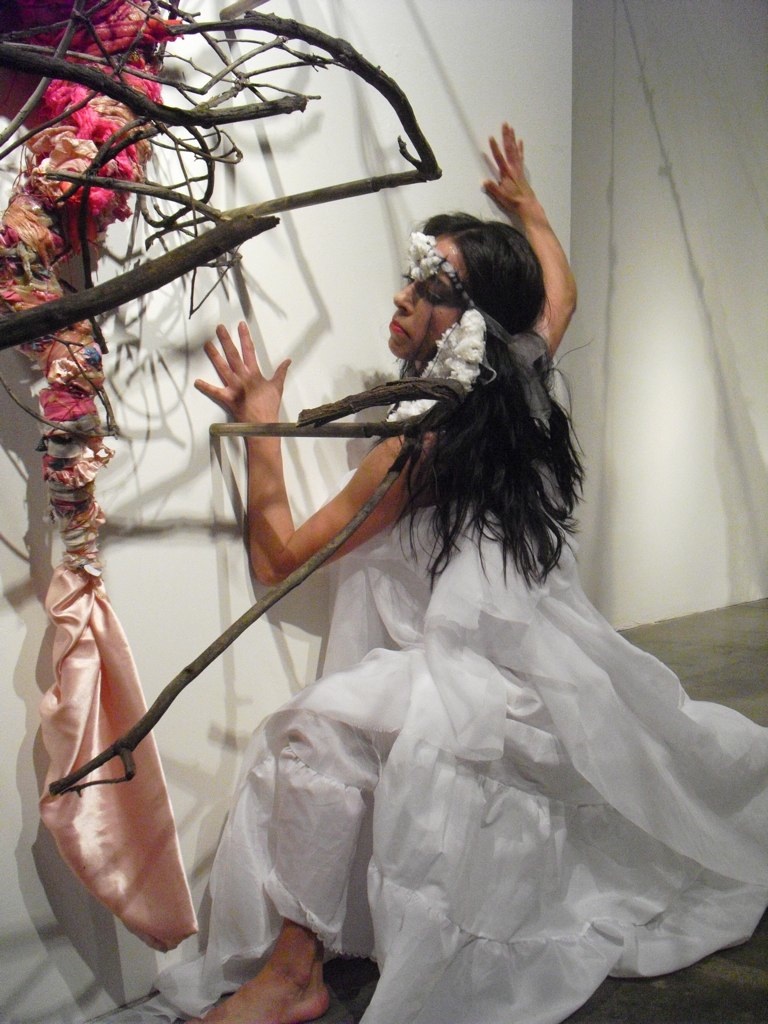
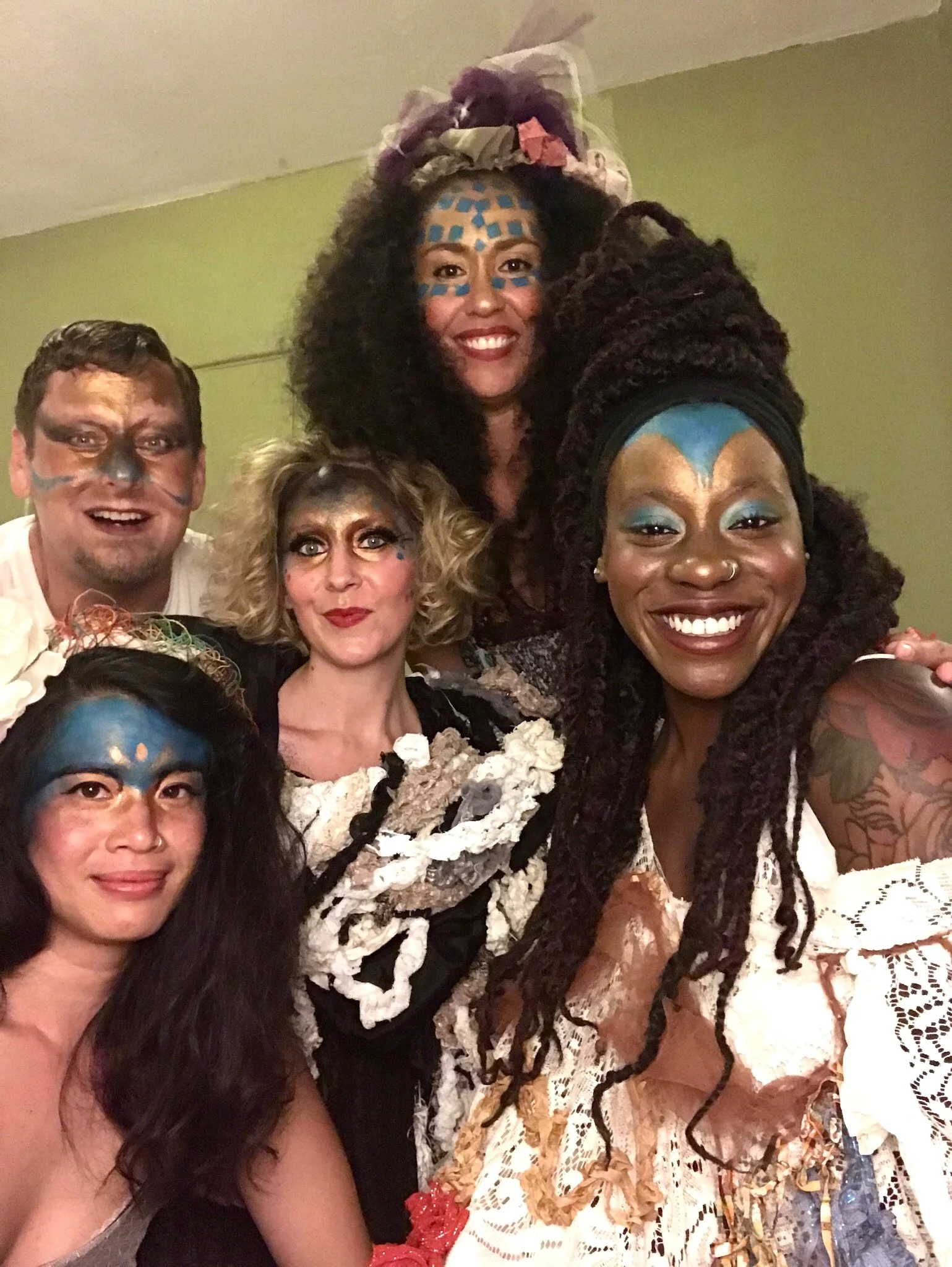
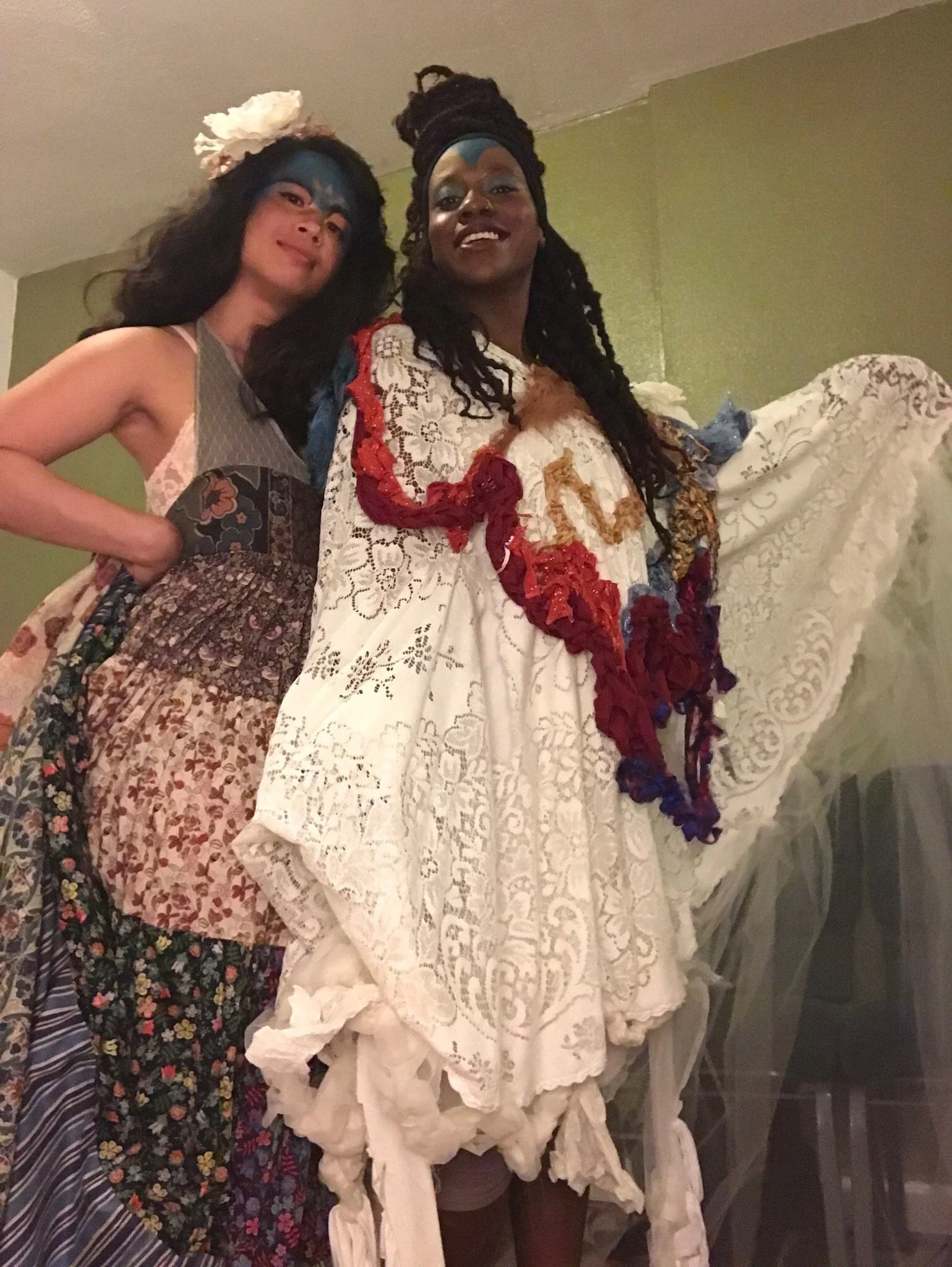
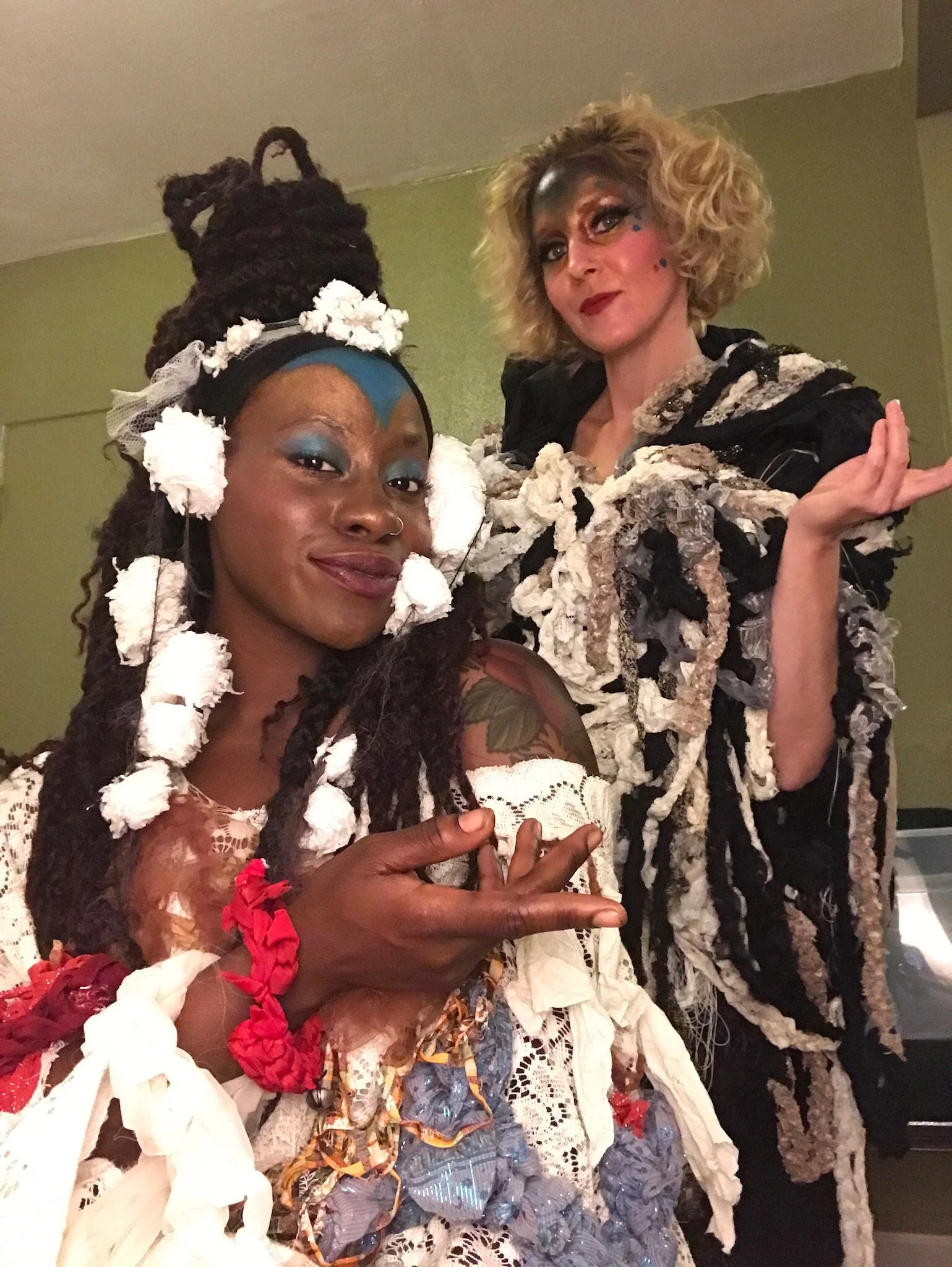
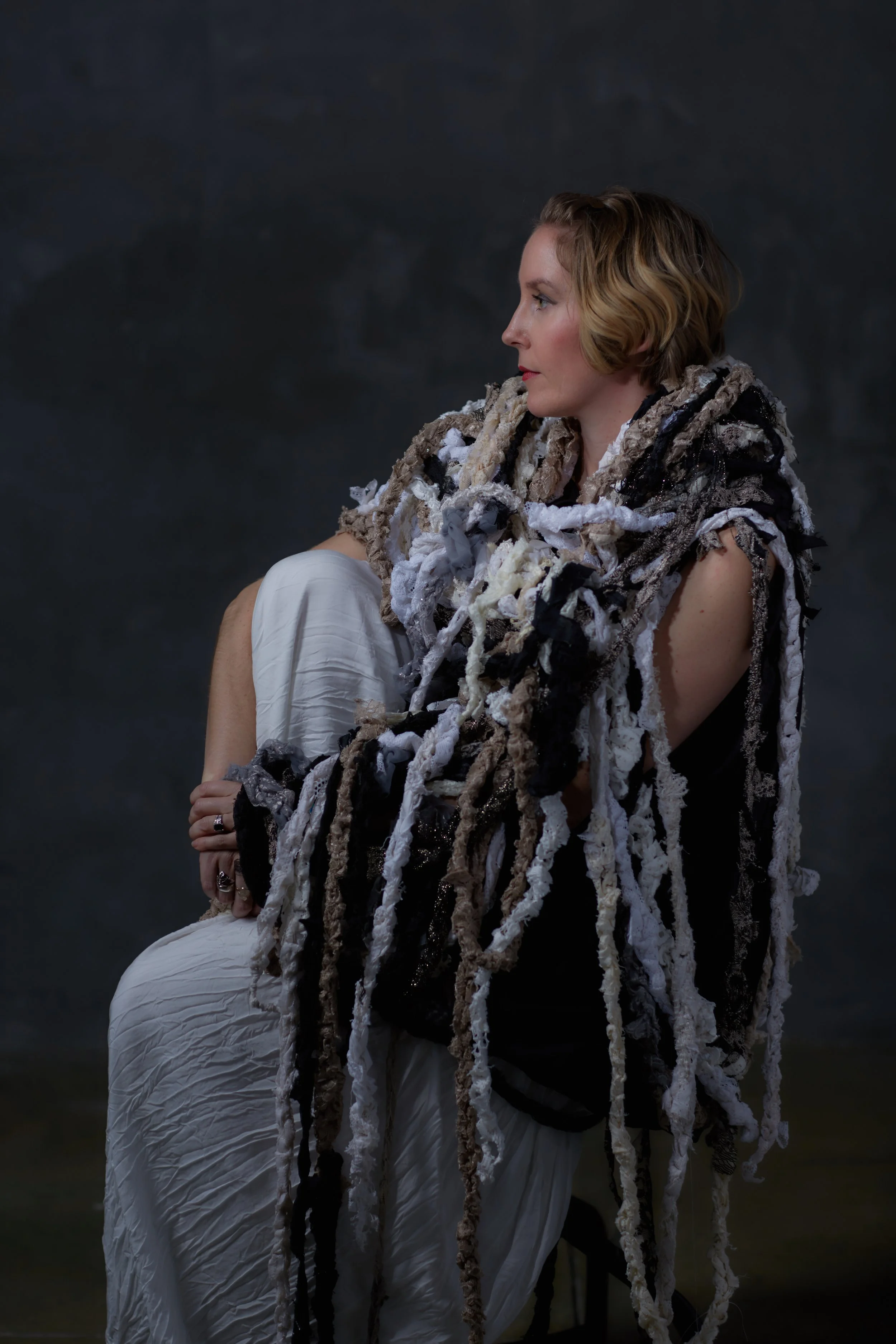
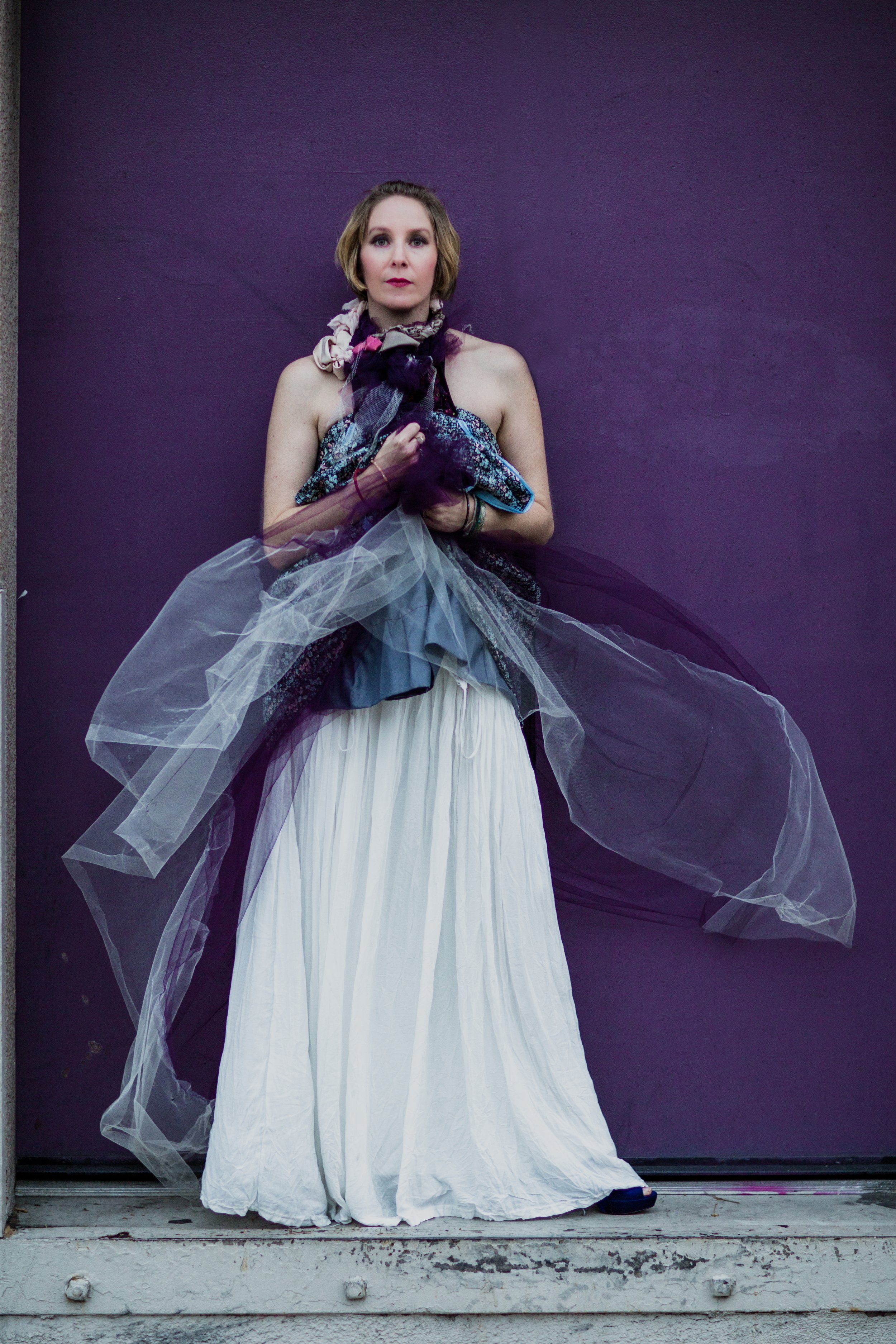
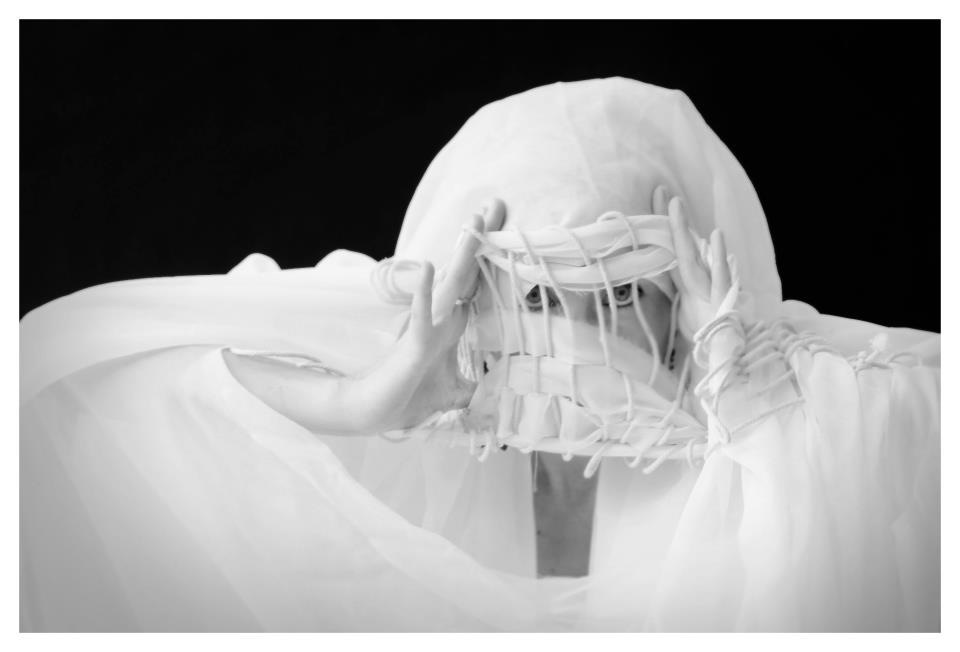
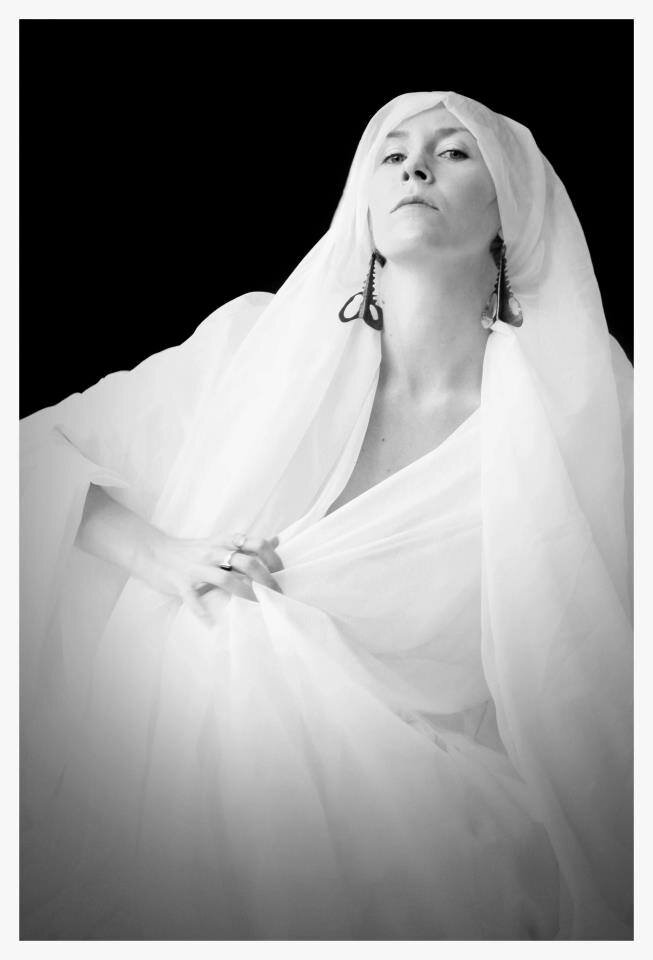
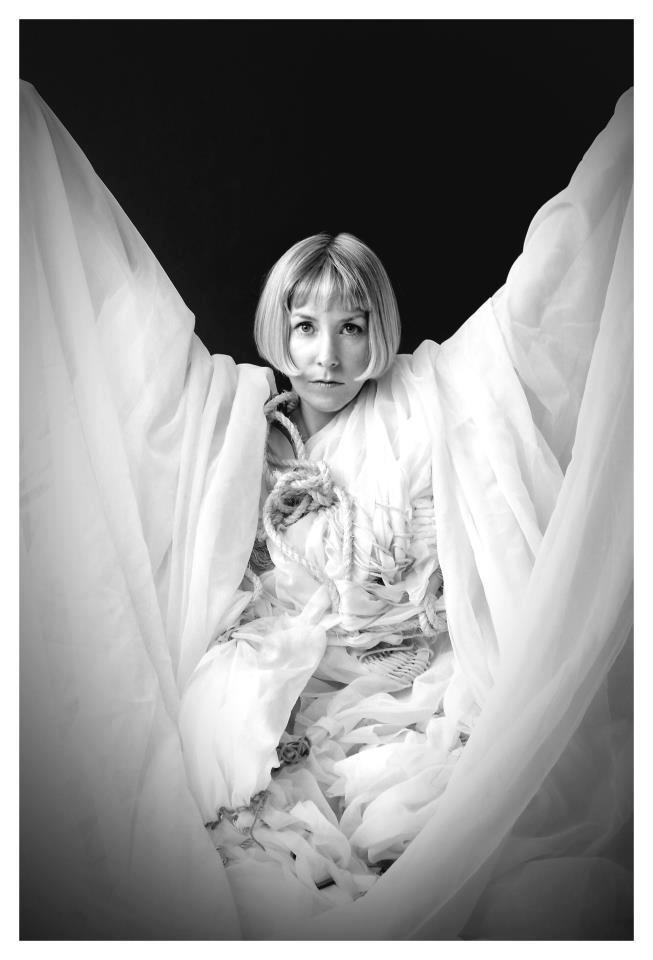
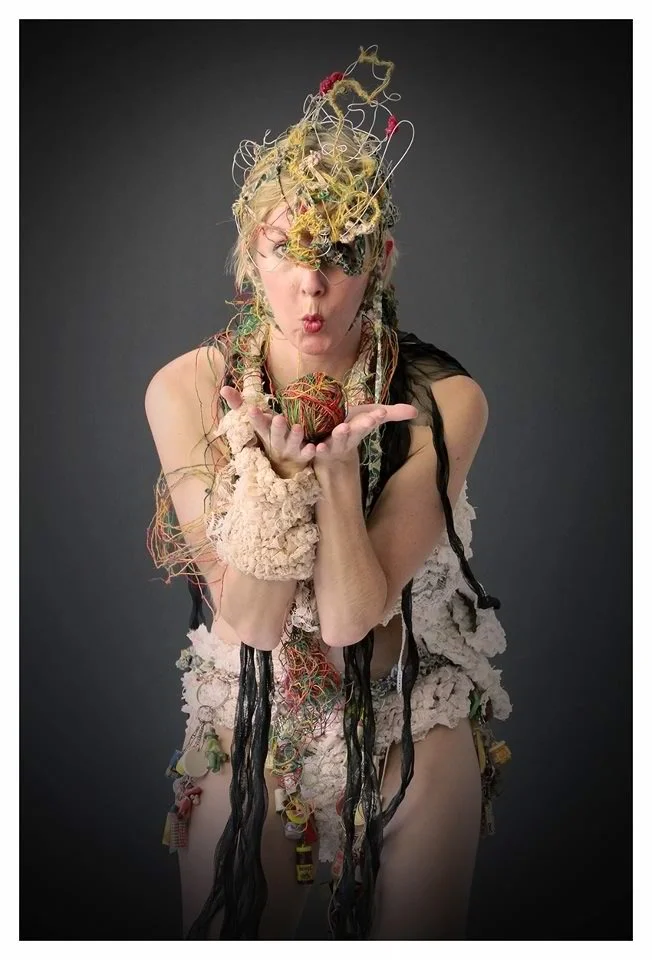
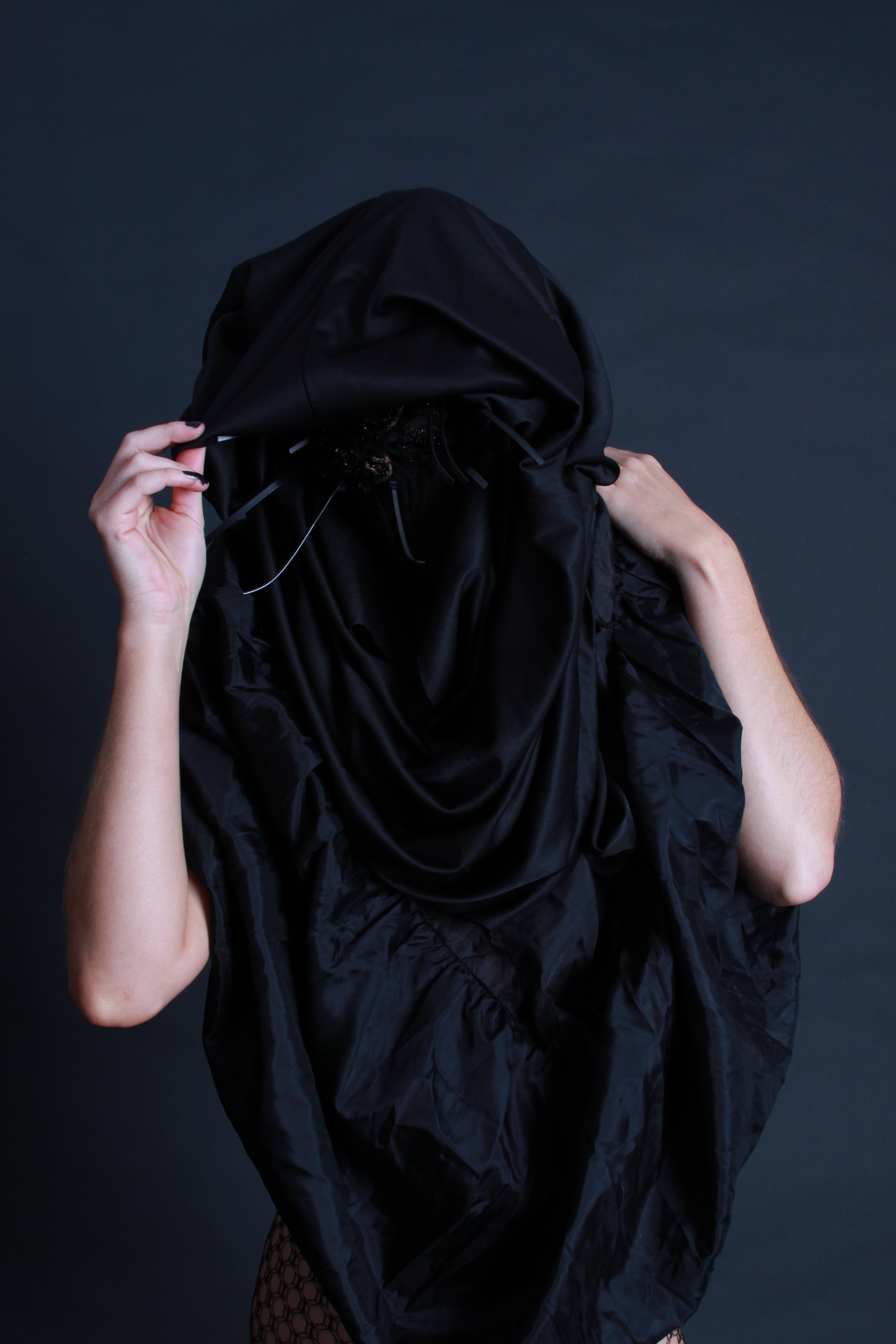
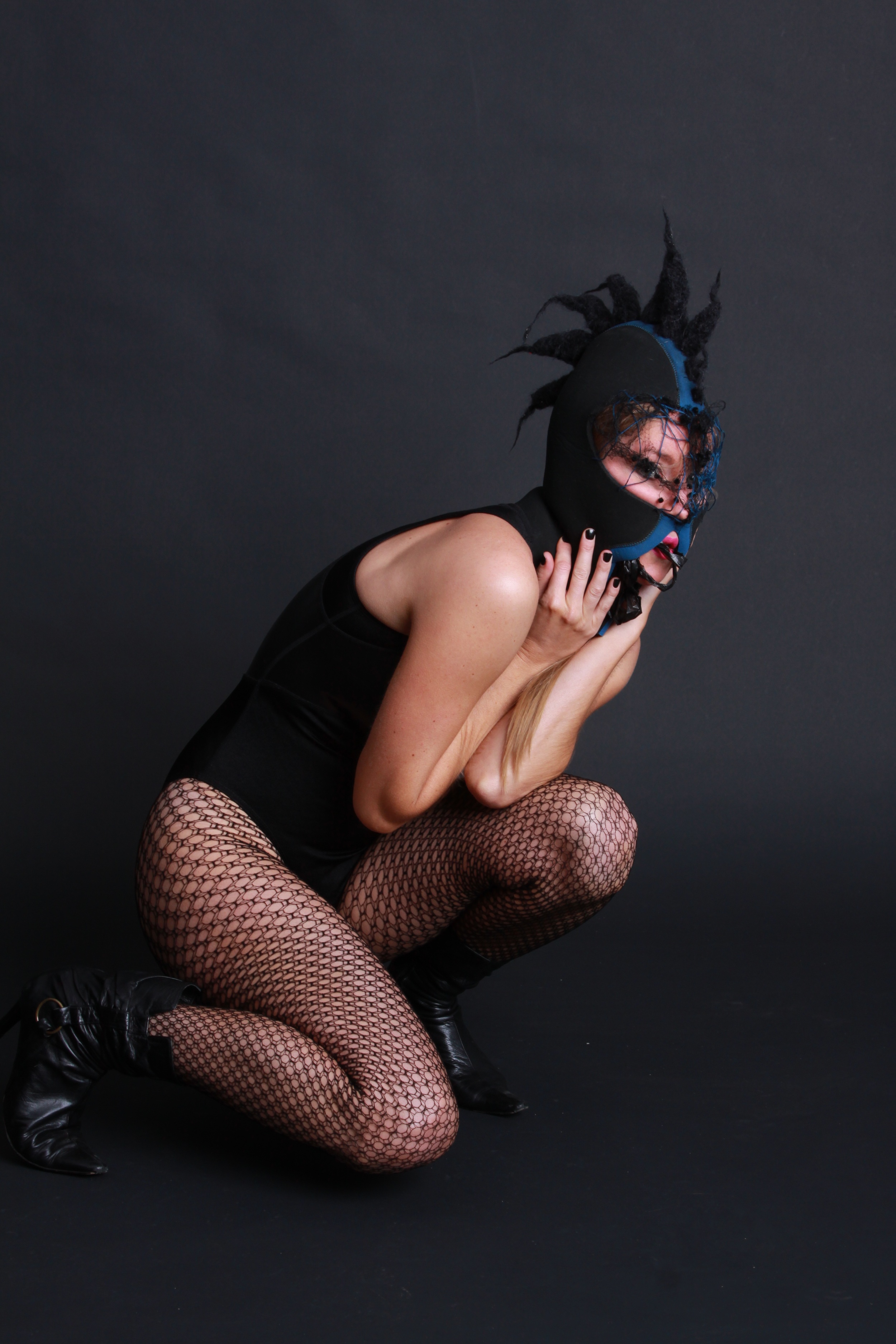
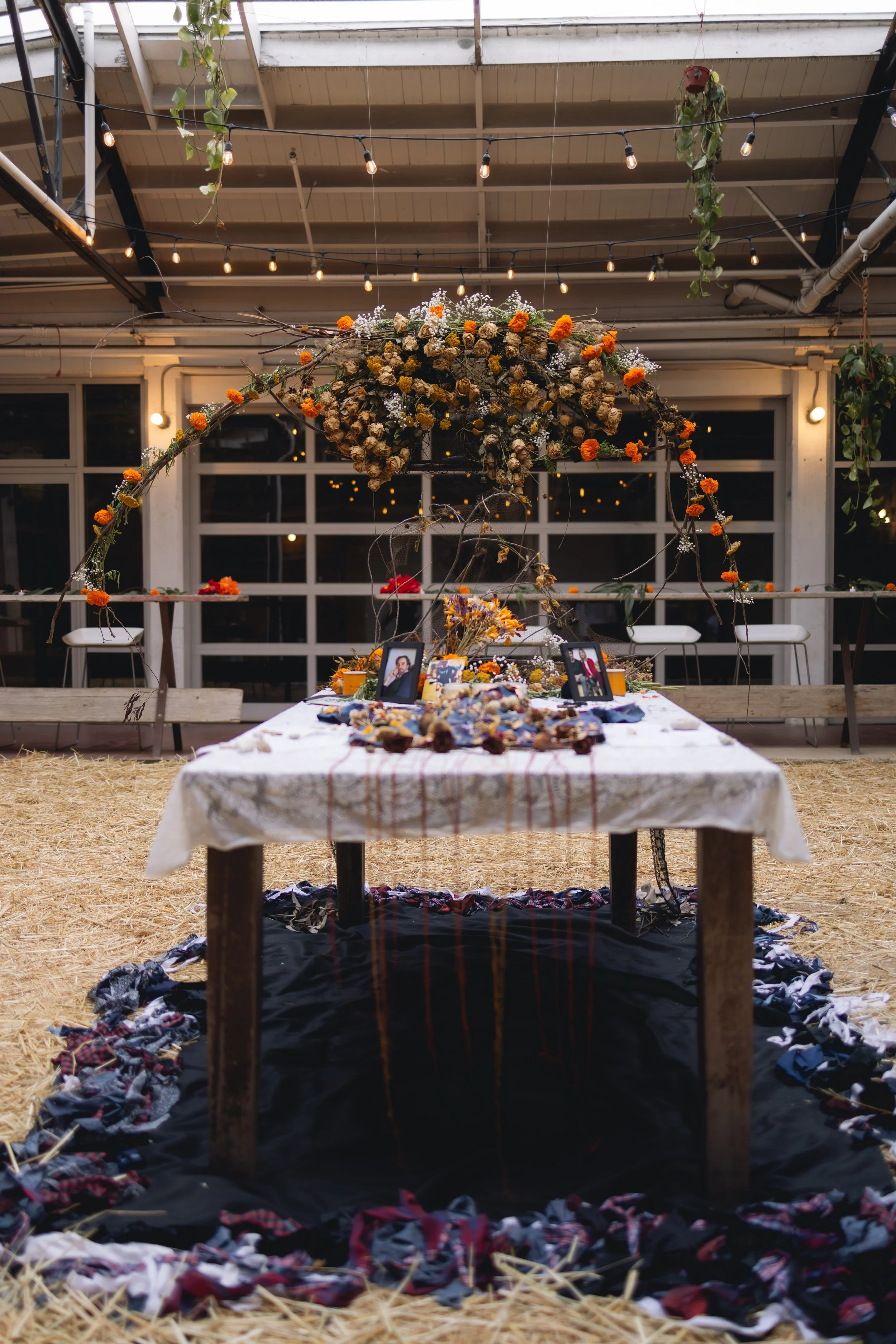
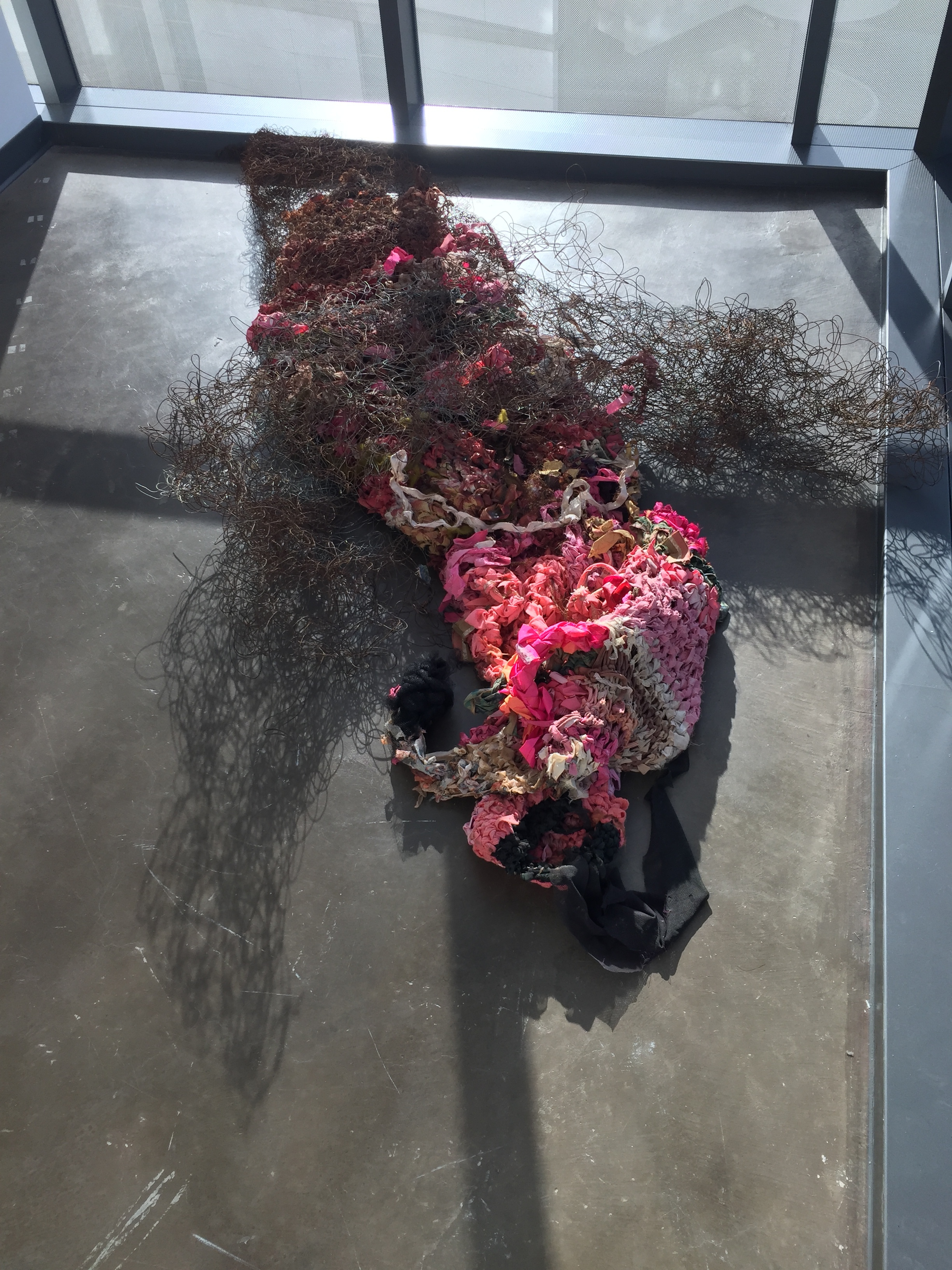
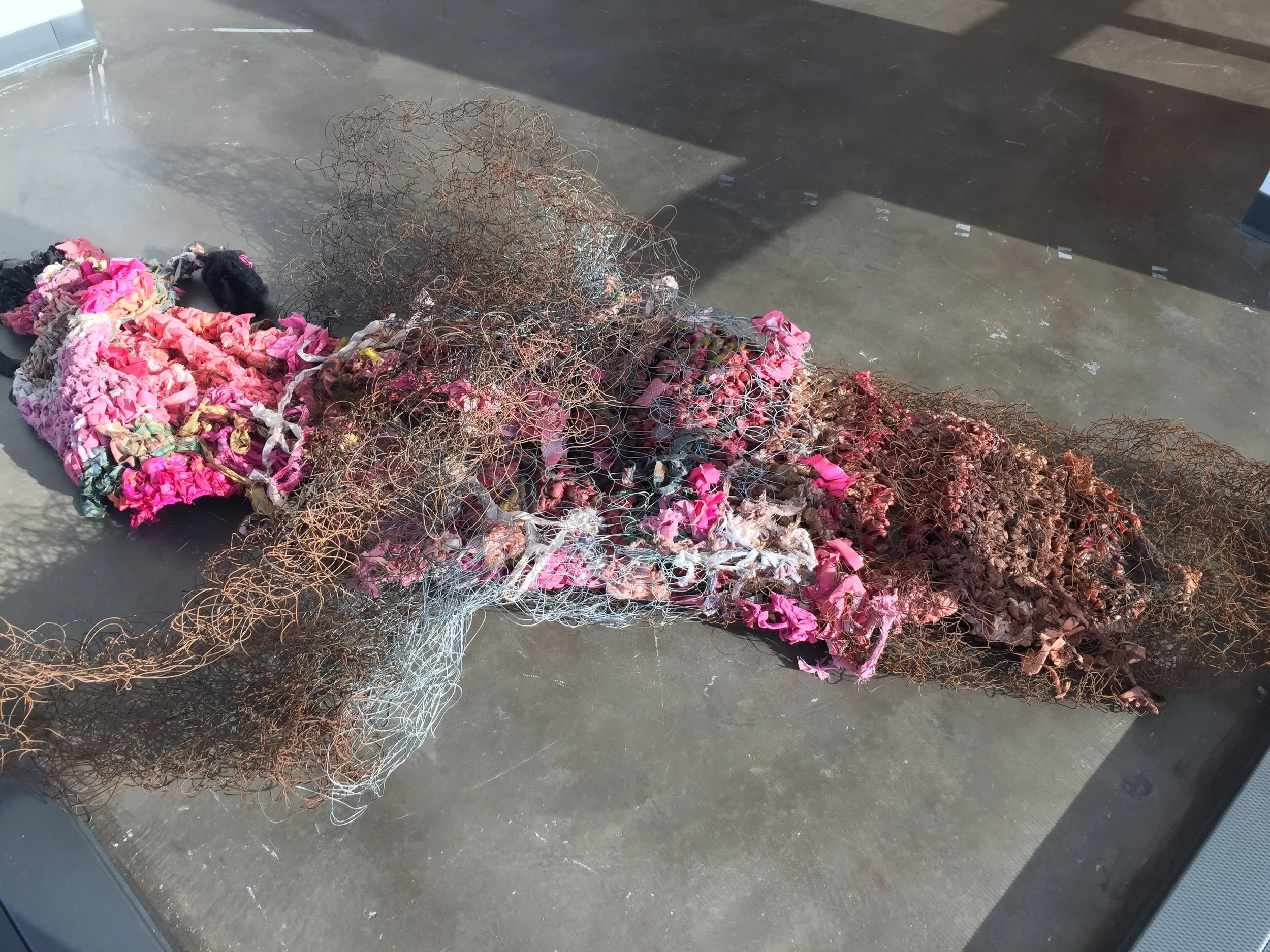
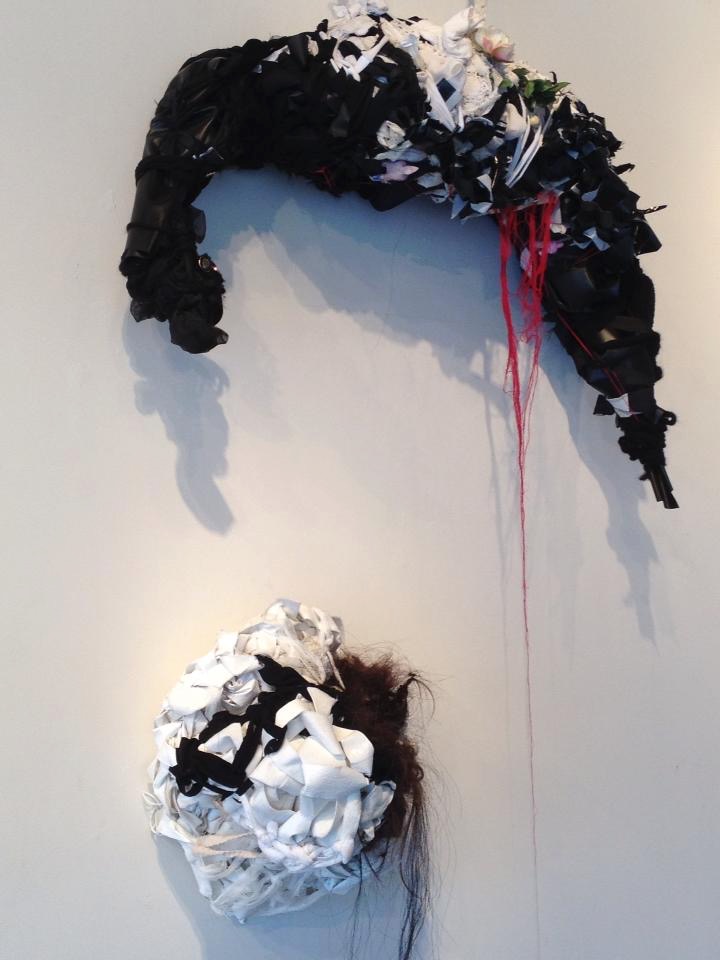
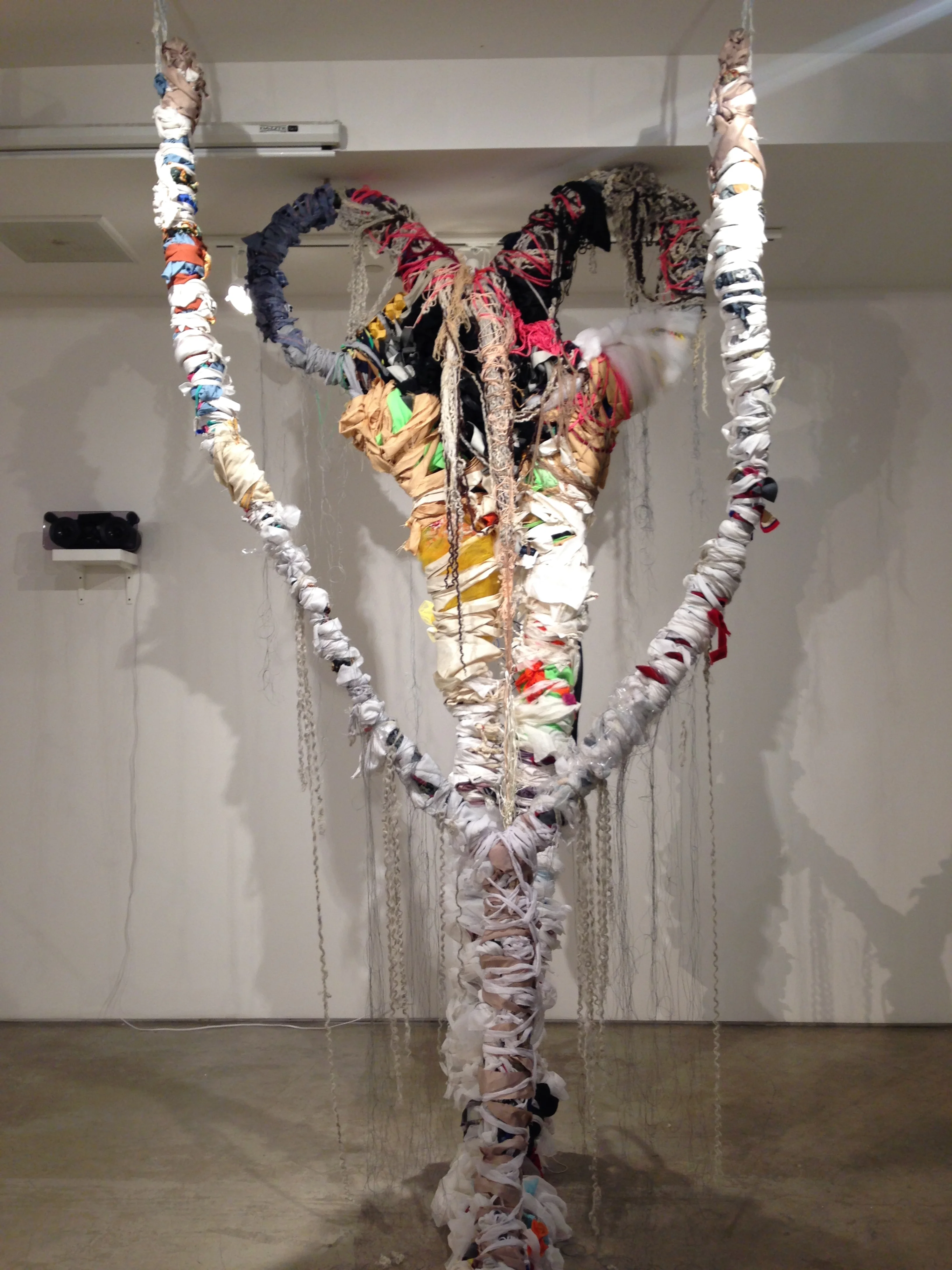
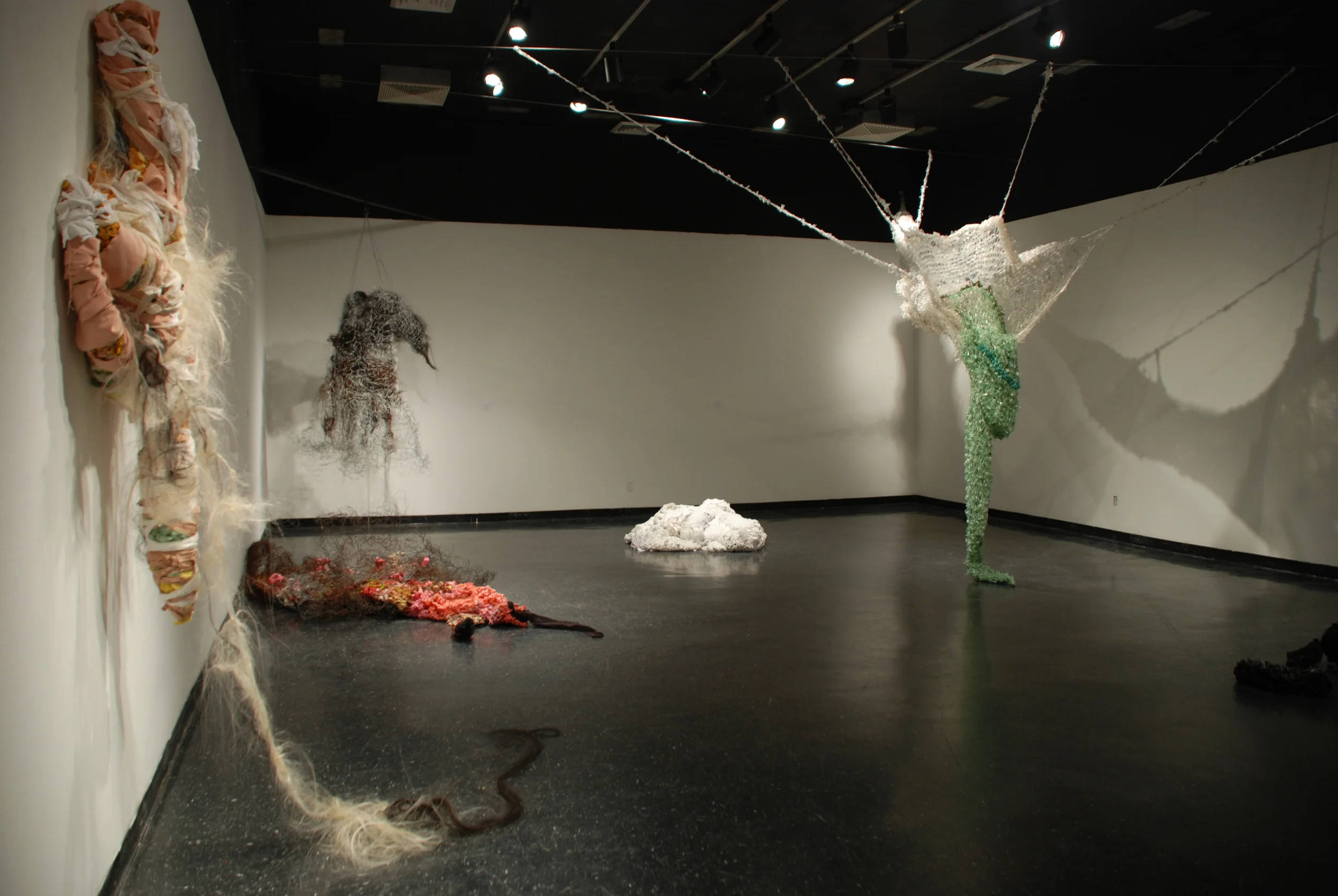
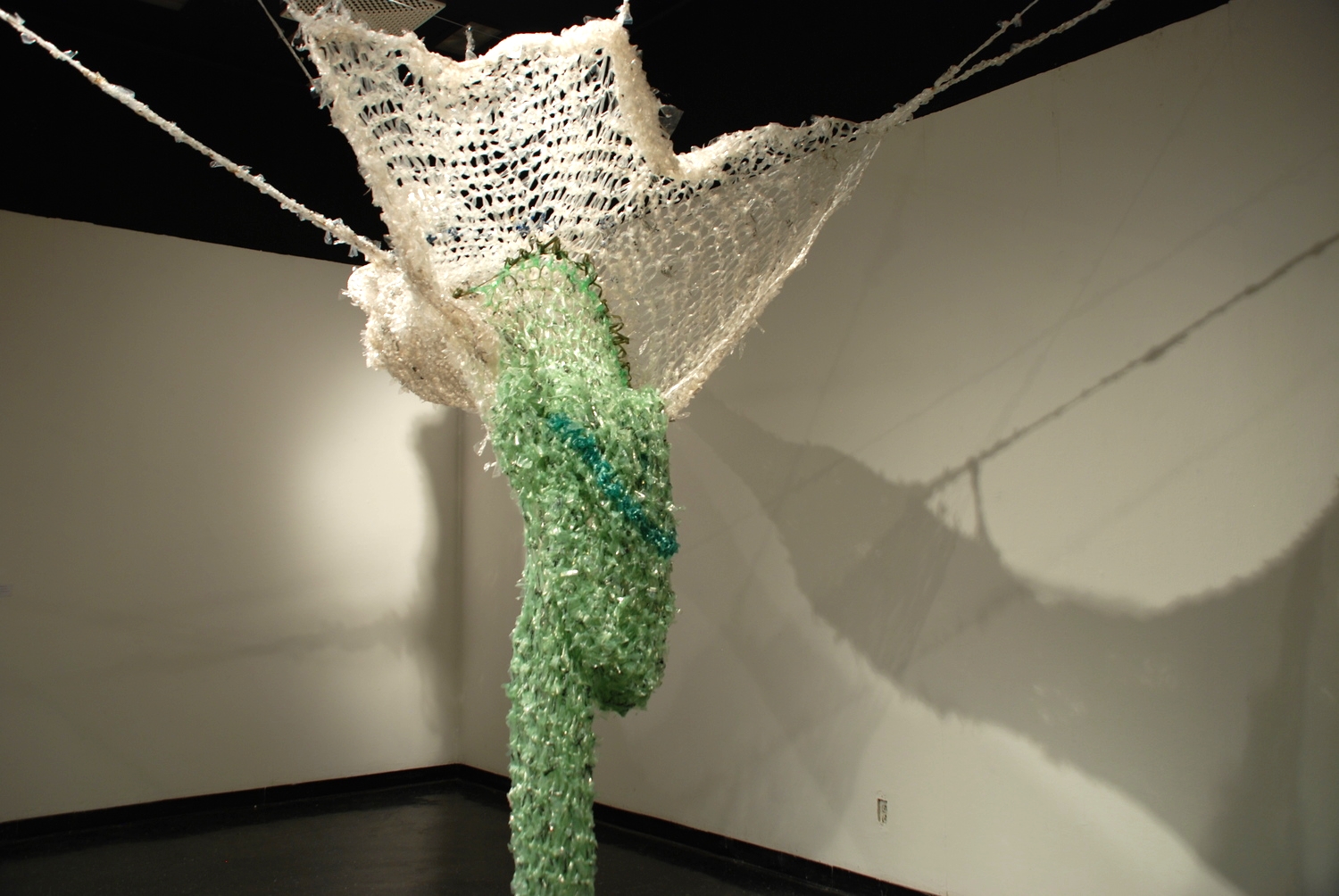
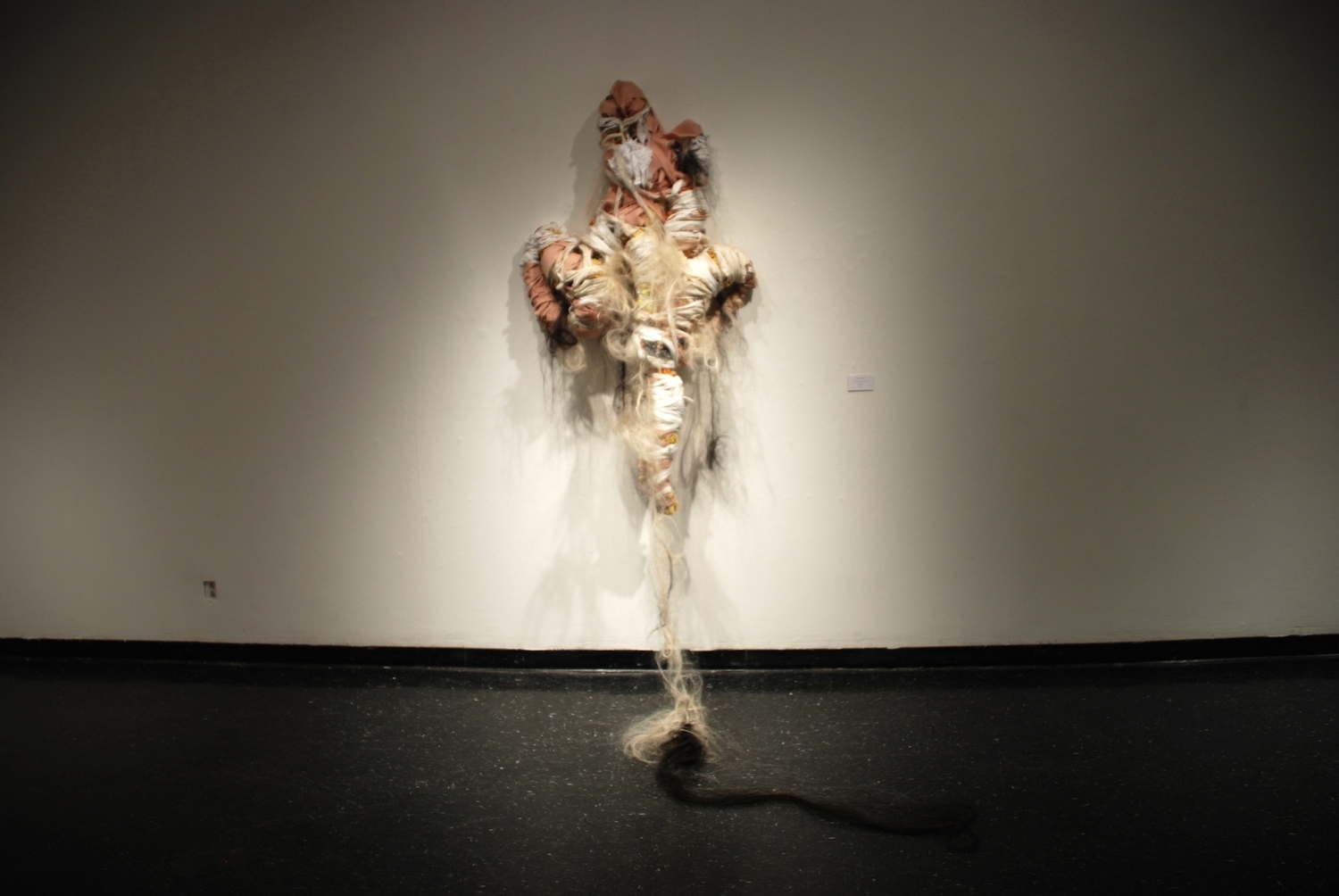
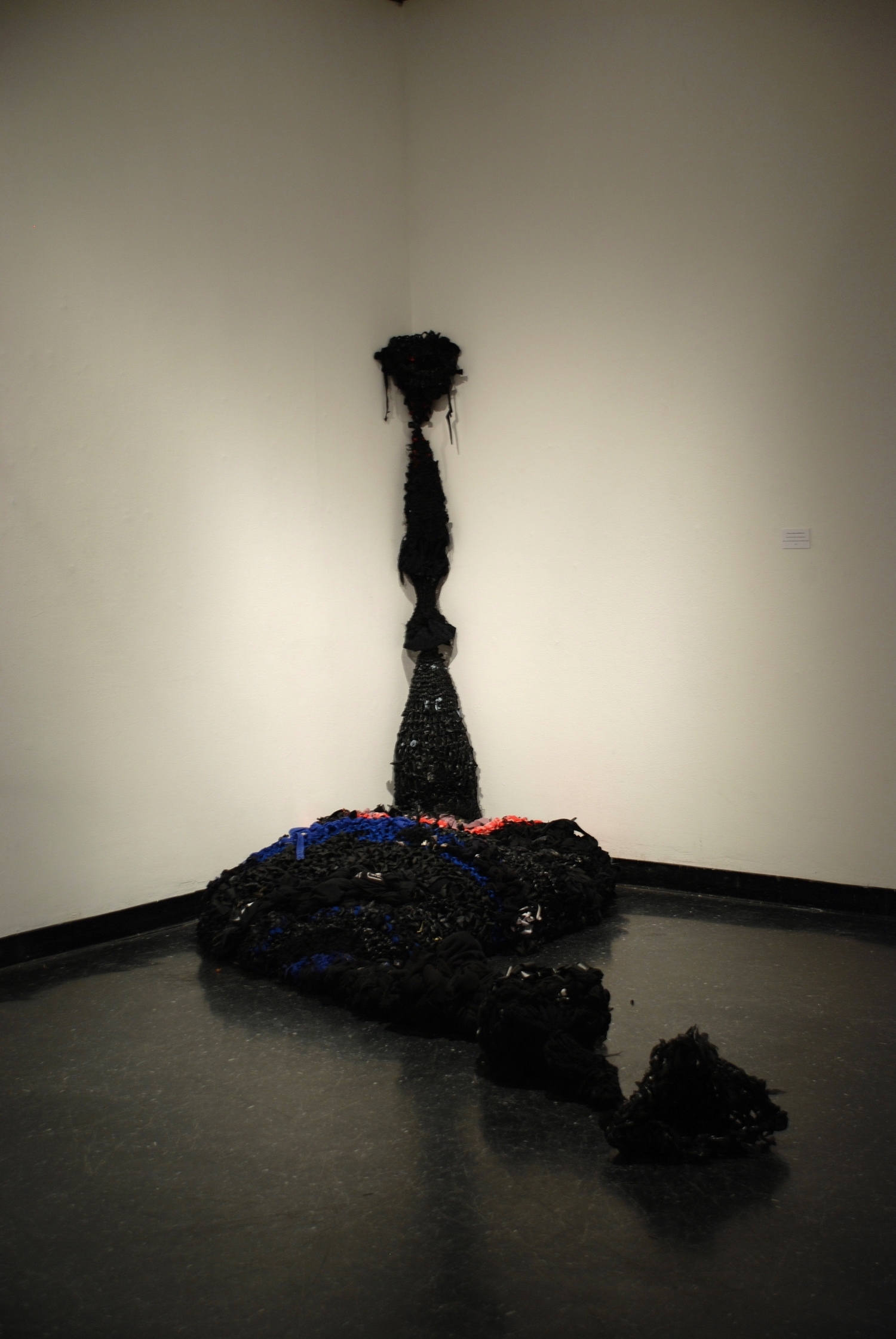
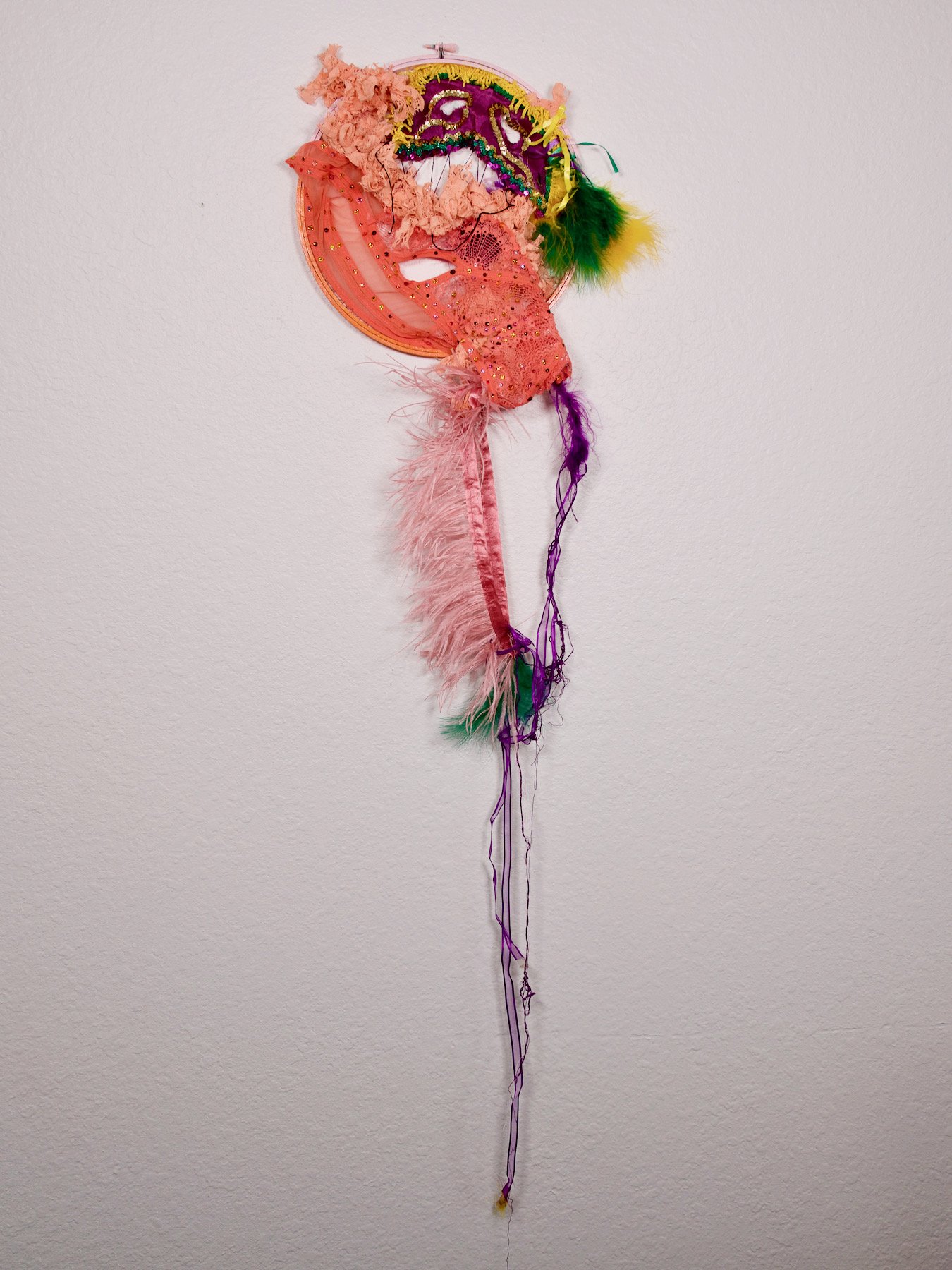
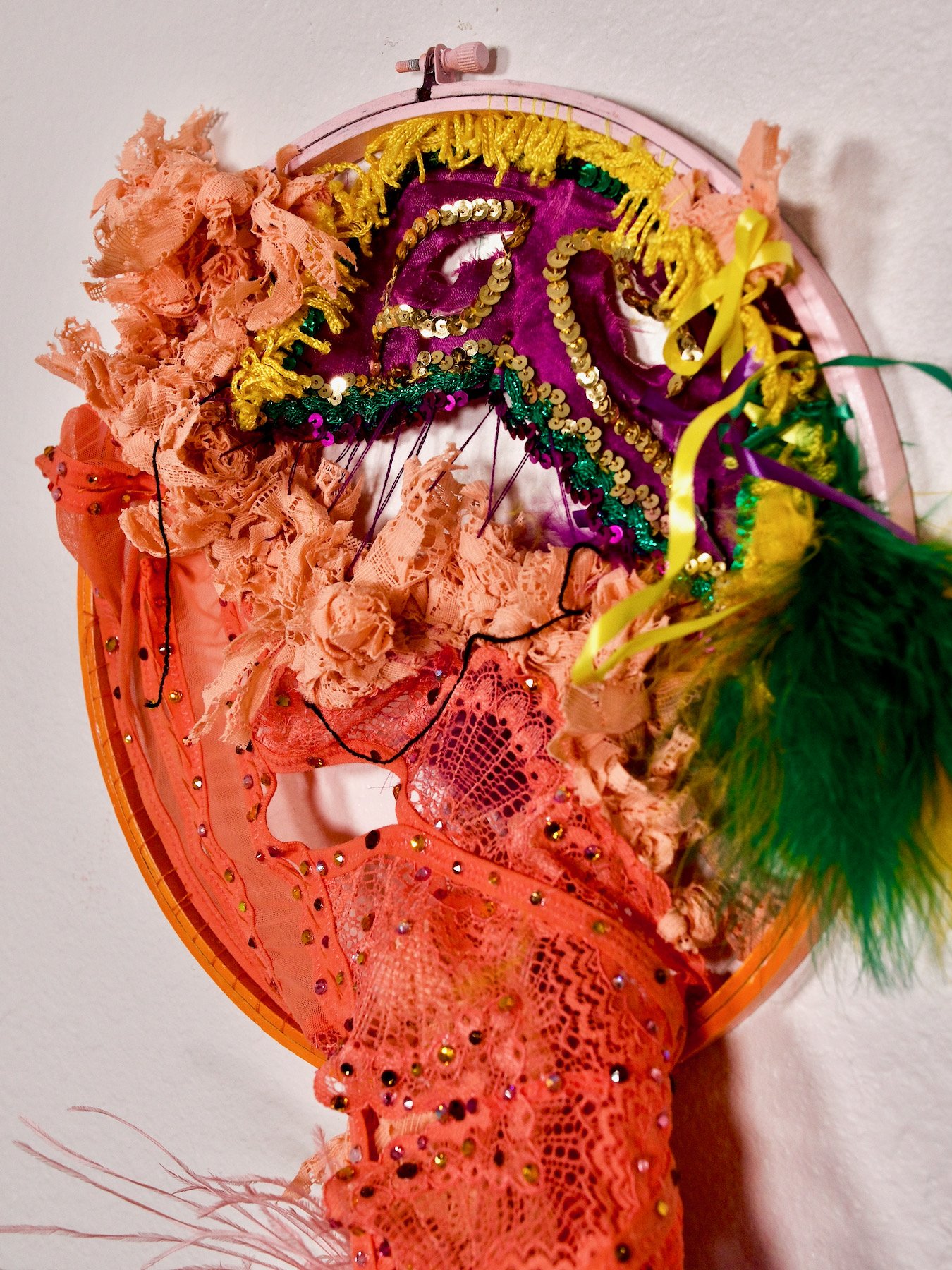
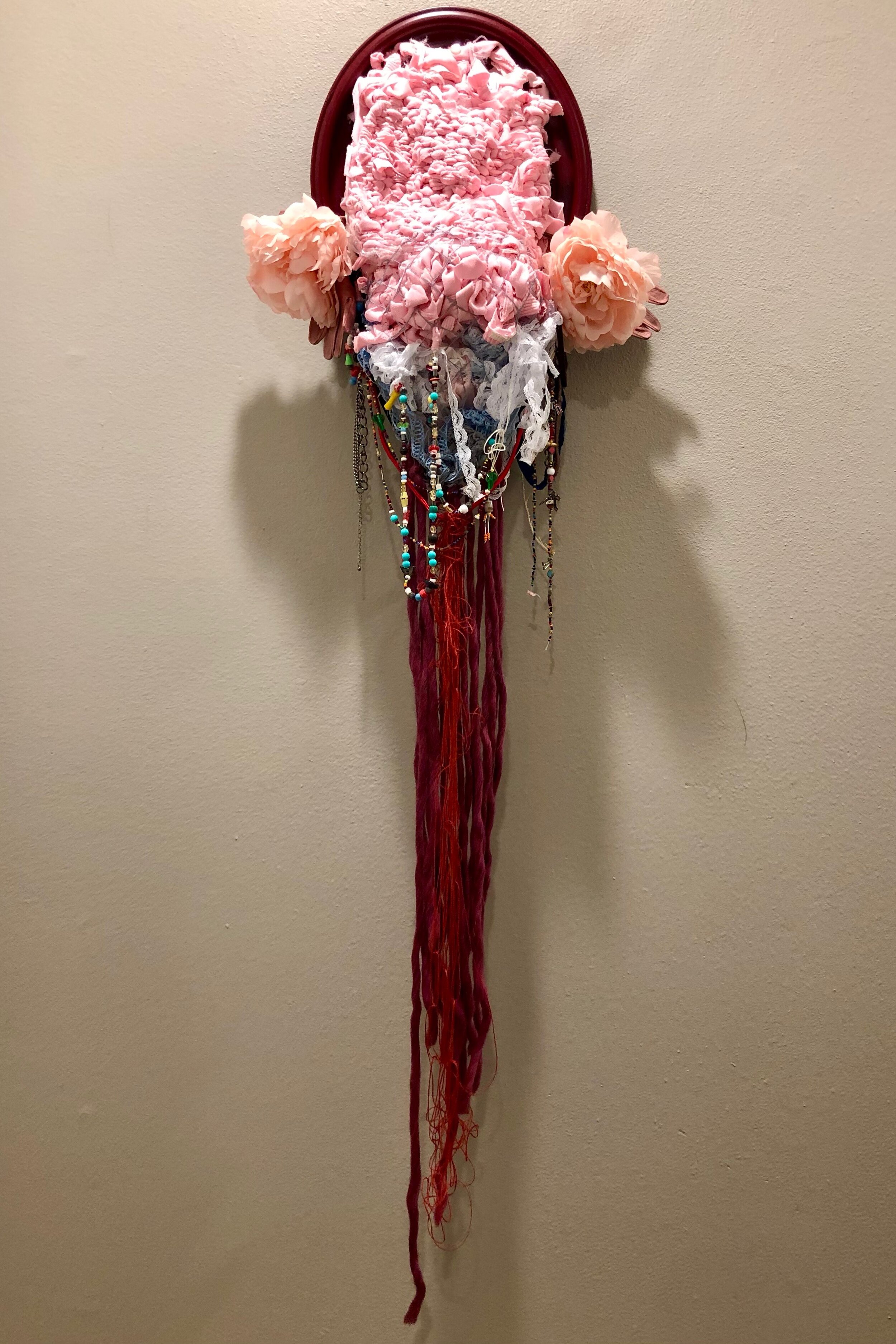
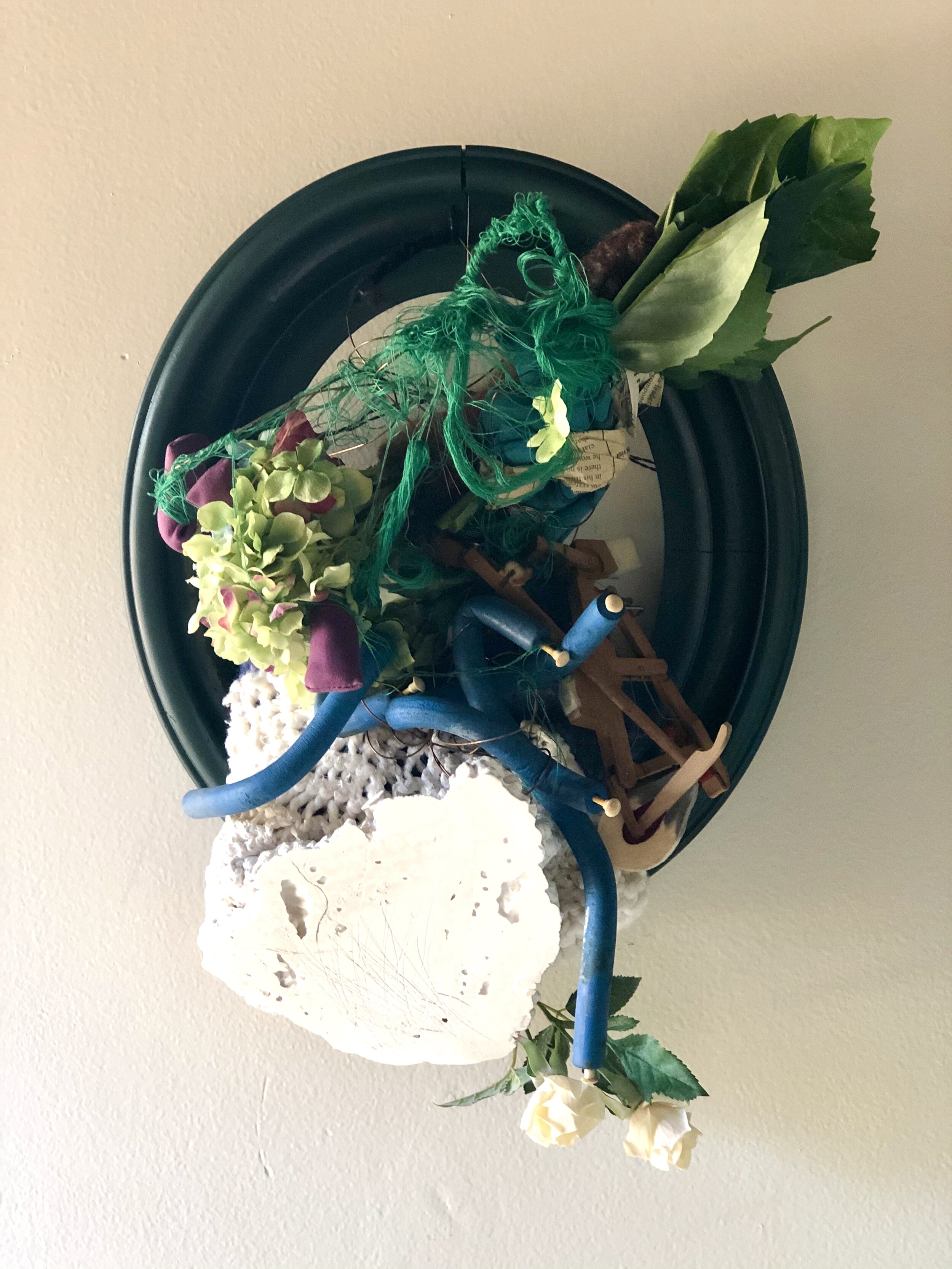
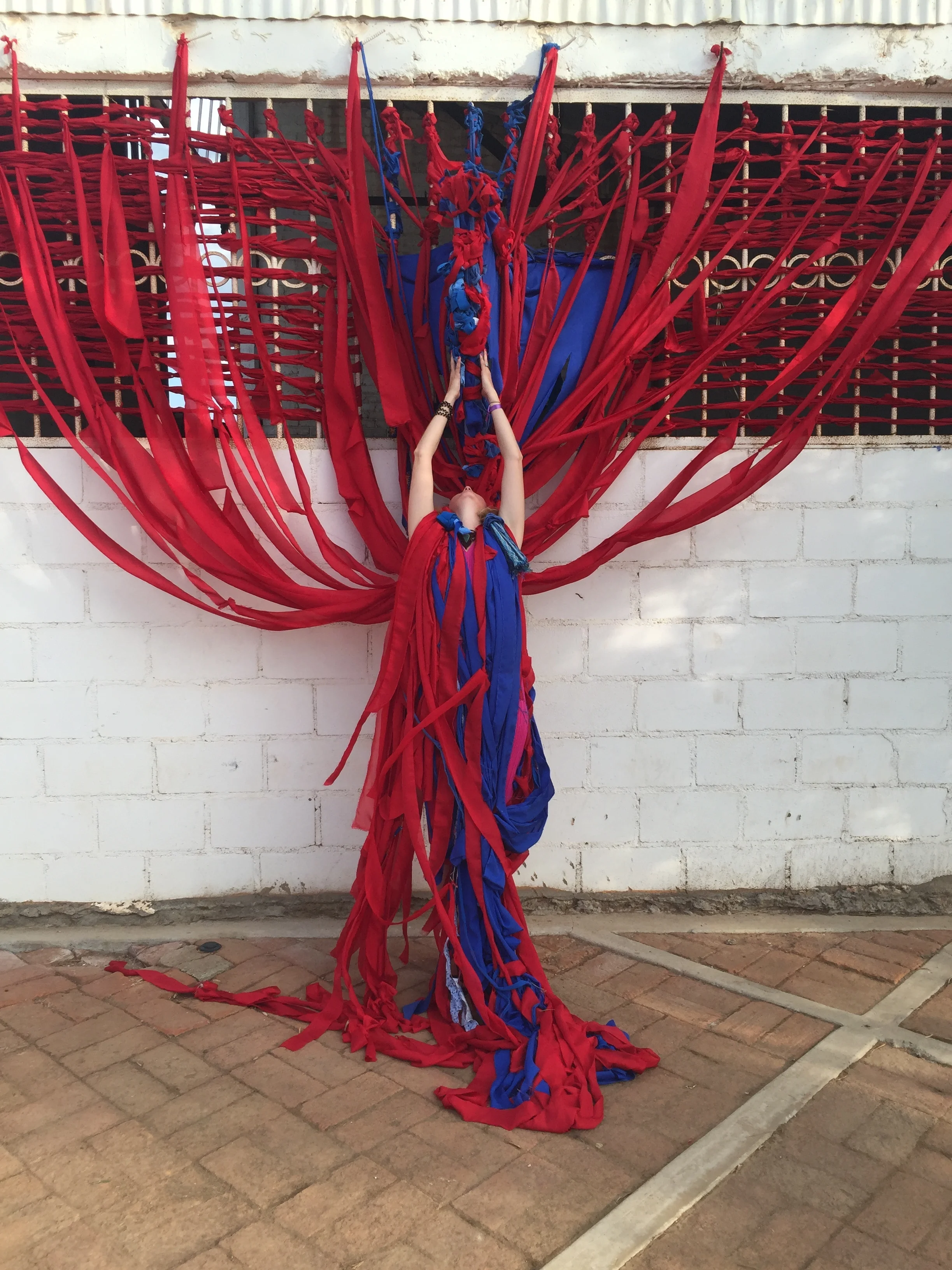
Poison Garden Dances is a performance series which emerges from meditations with poisonous plants. From those visions, I choreograph movement that tells a story of life, death, and rebirth. I layer the movement with wearable art, costume, sound, and projected video to explore grief and personal transformation.
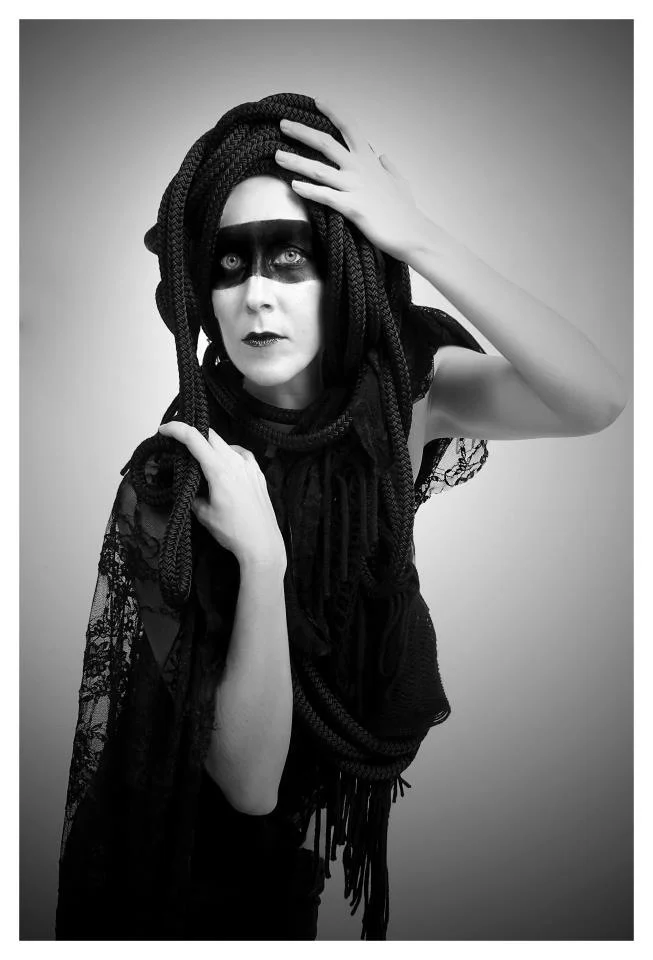
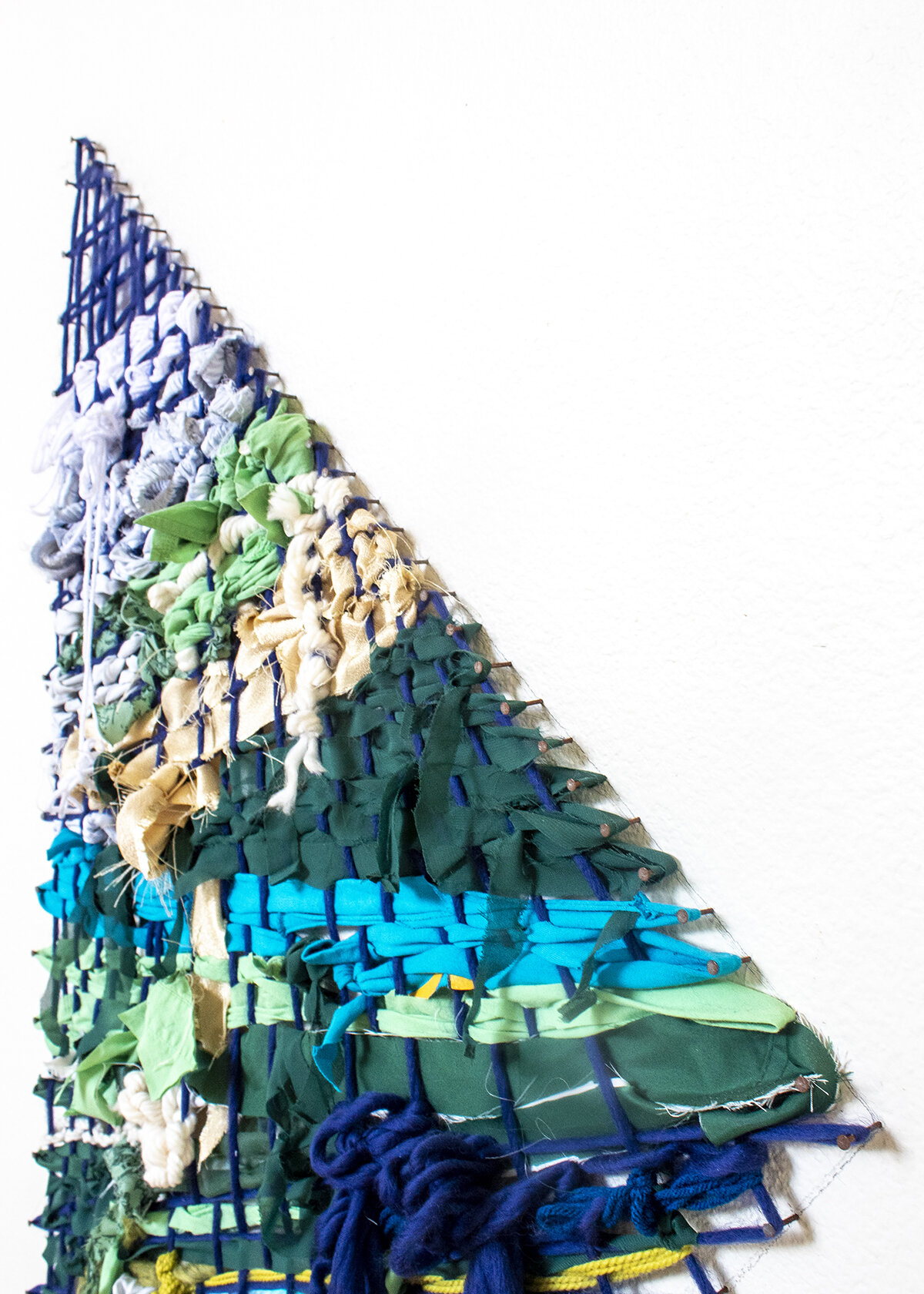
This performance series evolved in the aftermath of my husband’s death. I investigate how the body processes grief through ritual, imagination, and transformation. It integrates performance, wearable art, costumes, projected video, and original scores.
Three years ago, I began studying and meditating with poisonous plants. A poisonous plant meditation is a plant consciousness communication that involves meditating on the energy of a plant without ingesting anything. The rebirth of maligned plants as medicinal and spiritual tools has coincided with my journey into the poisonous plant world. Ancient folk practitioners used many of these plants in rituals of healing and enlightenment.
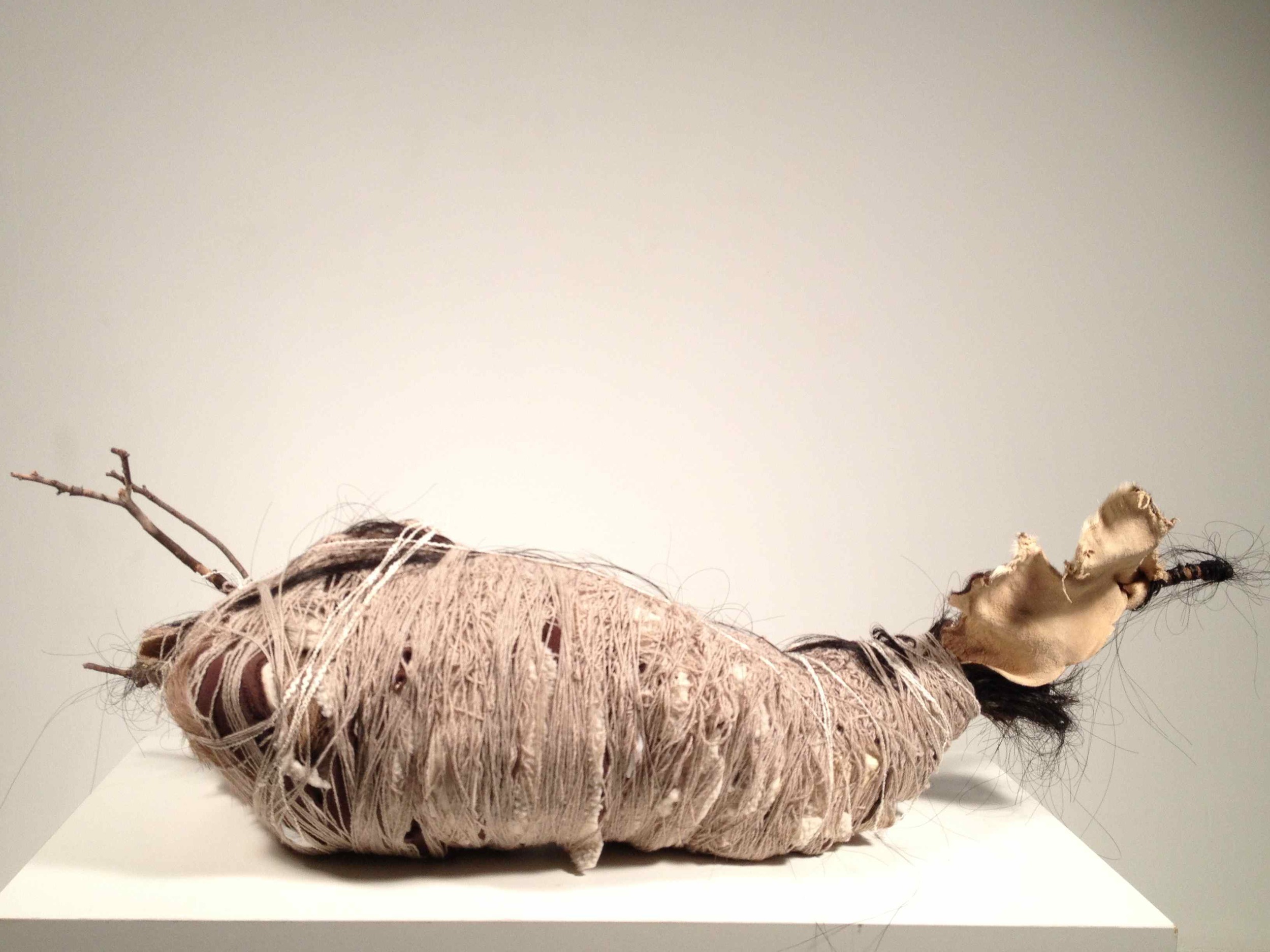
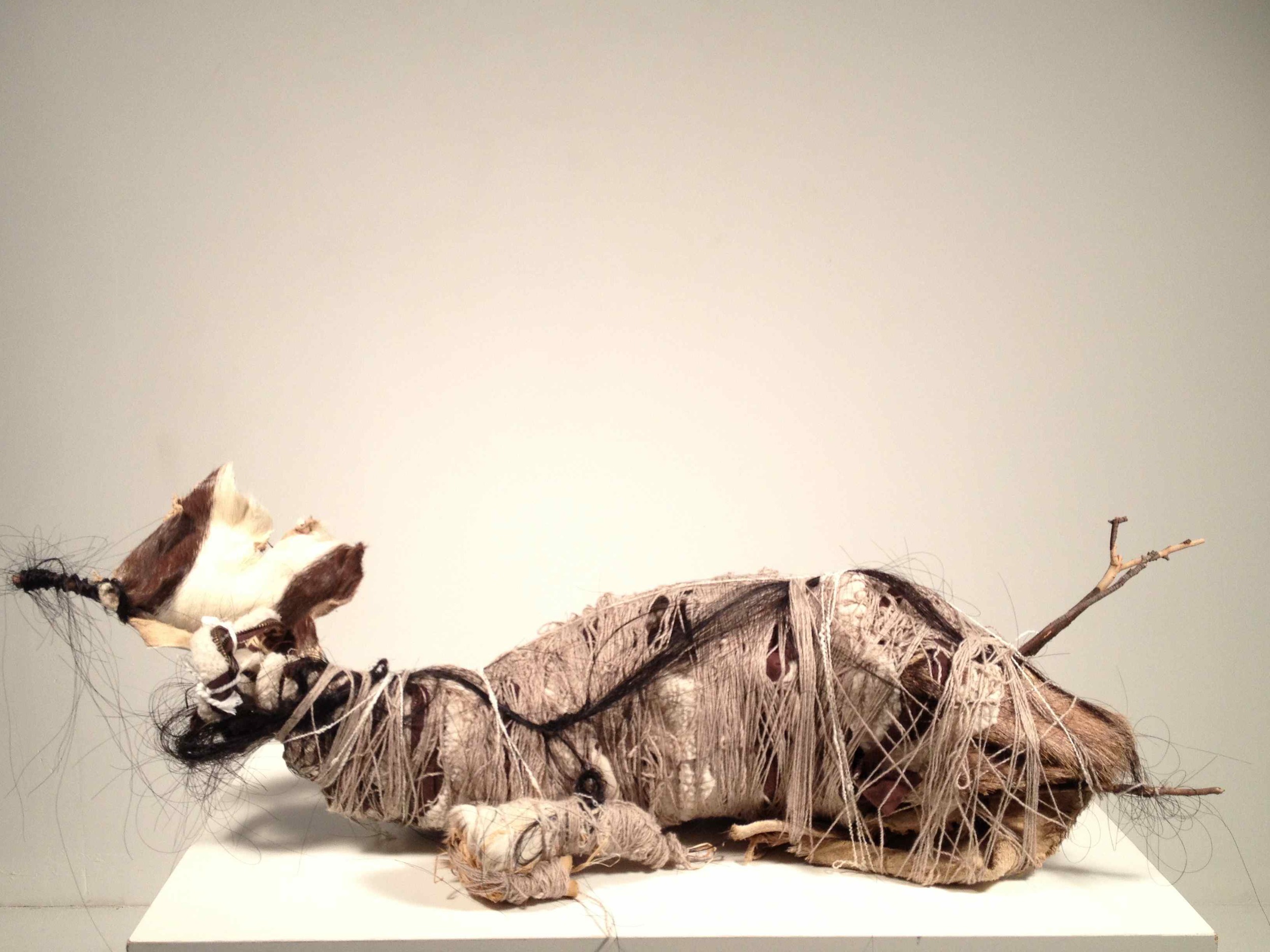
Three weeks before my husband’s death, I meditated with the Morning Glory flower, and I experienced a vivid vision of myself being buried and becoming a skeleton, then rising to dance in celebration and ride through the sky on a horse made of vines. This powerful vision of death and rebirth inspired me to translate the experience into movement with costume and music.
Some of the poisonous plants I have been researching are Morning Glory, Datura, Yew tree, Hemlock, and Mandrake. This work derived from my own grieving and is guided by the sacred experience of poisonous plant meditation. The offering to audiences is a reflection on the cyclical nature of death and renewal.
I have created segments of the Morning Glory and Datura performances, which has helped me create a production process. This project will be presented as a series of 5 performances, each being 5-15 minutes long. A 40-60 minute performance will close the series.
Process
I begin my process by meditating on a poisonous plant. The vision is then translated into a movement structure that defines costumes, props, masks, and sound or music needs. I collaborate with a musician to create an original score while developing choreography for each performance piece. I continue to research poisonous plants, their histories, and their uses in healing and rituals, using written published resources and field identification.
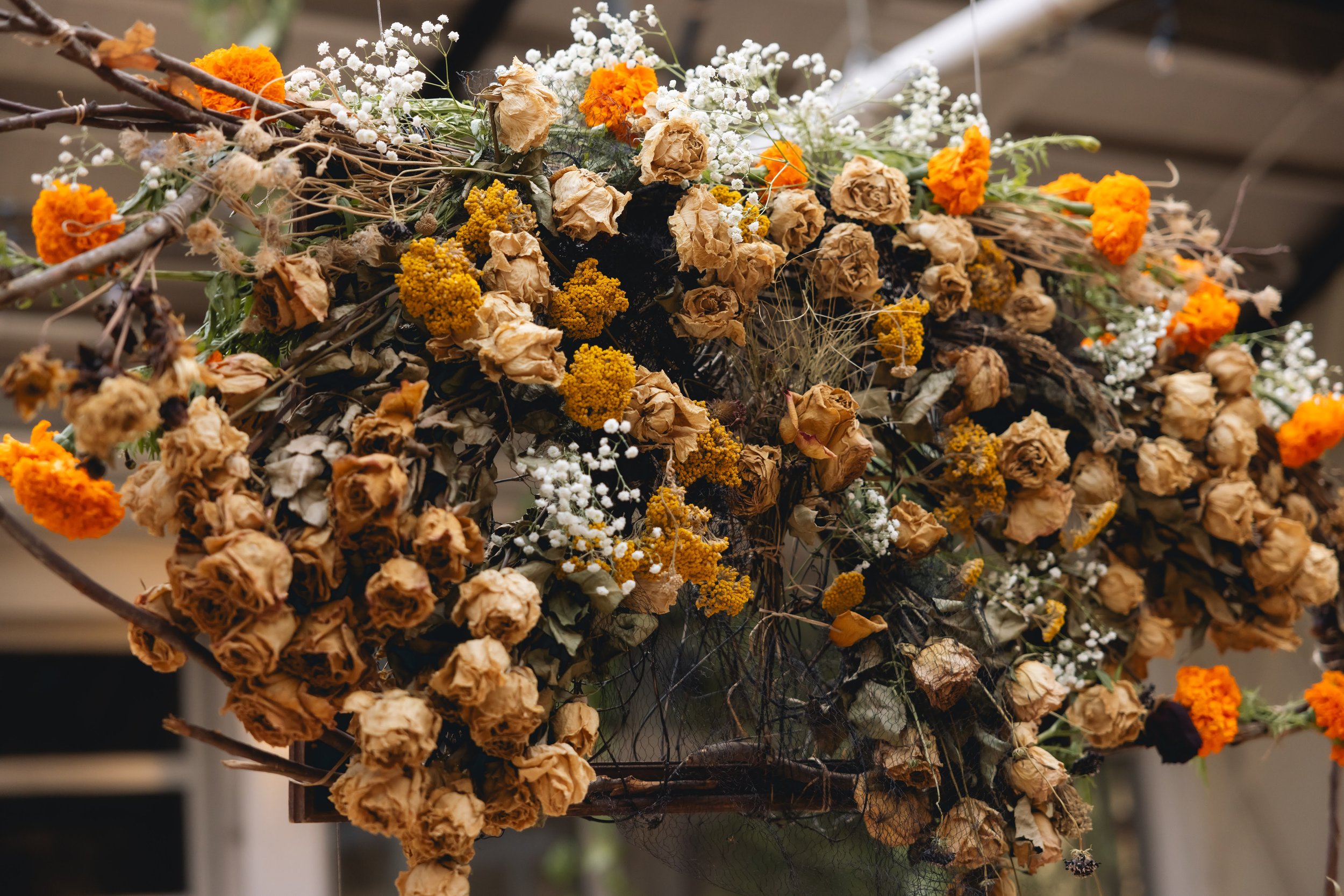
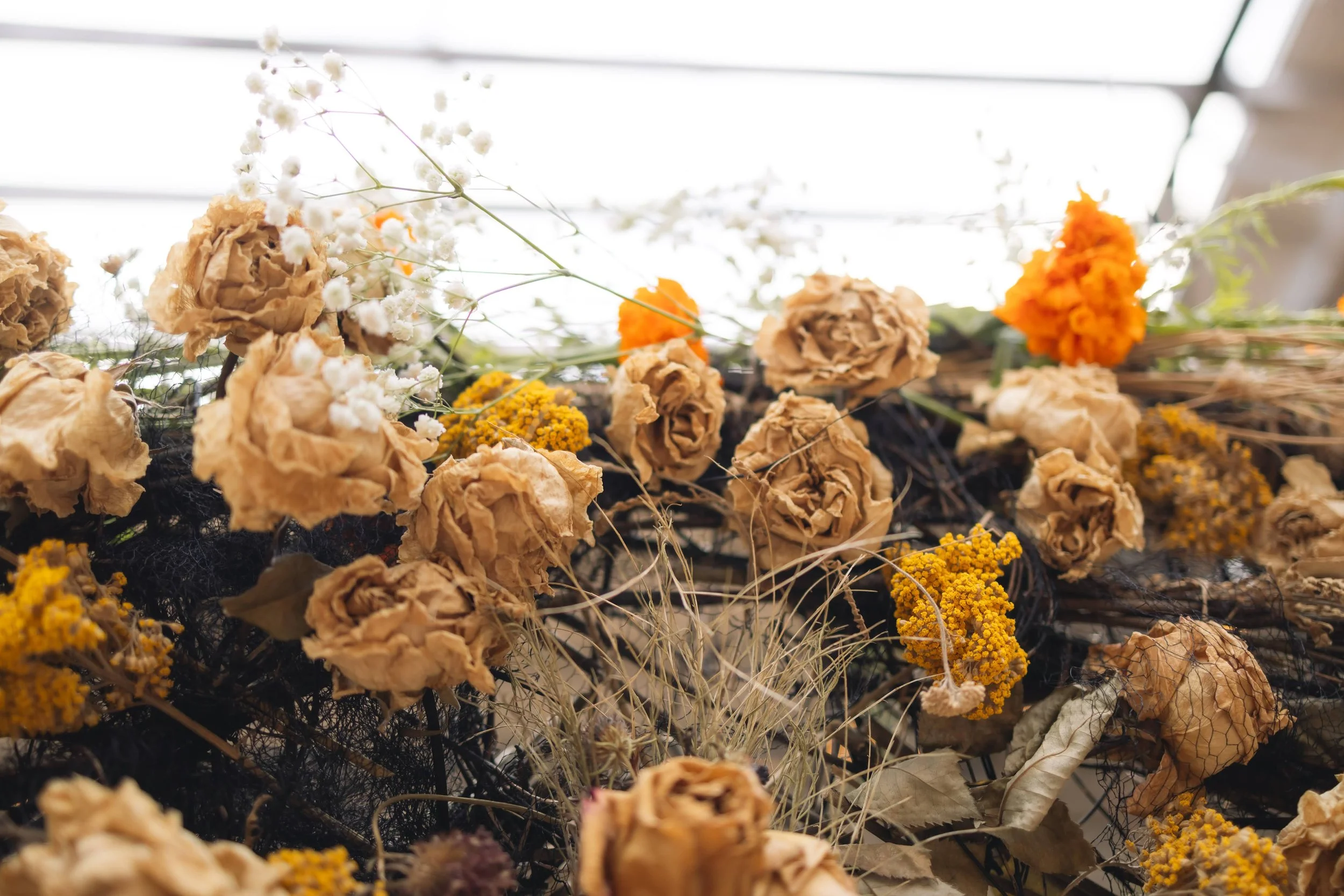
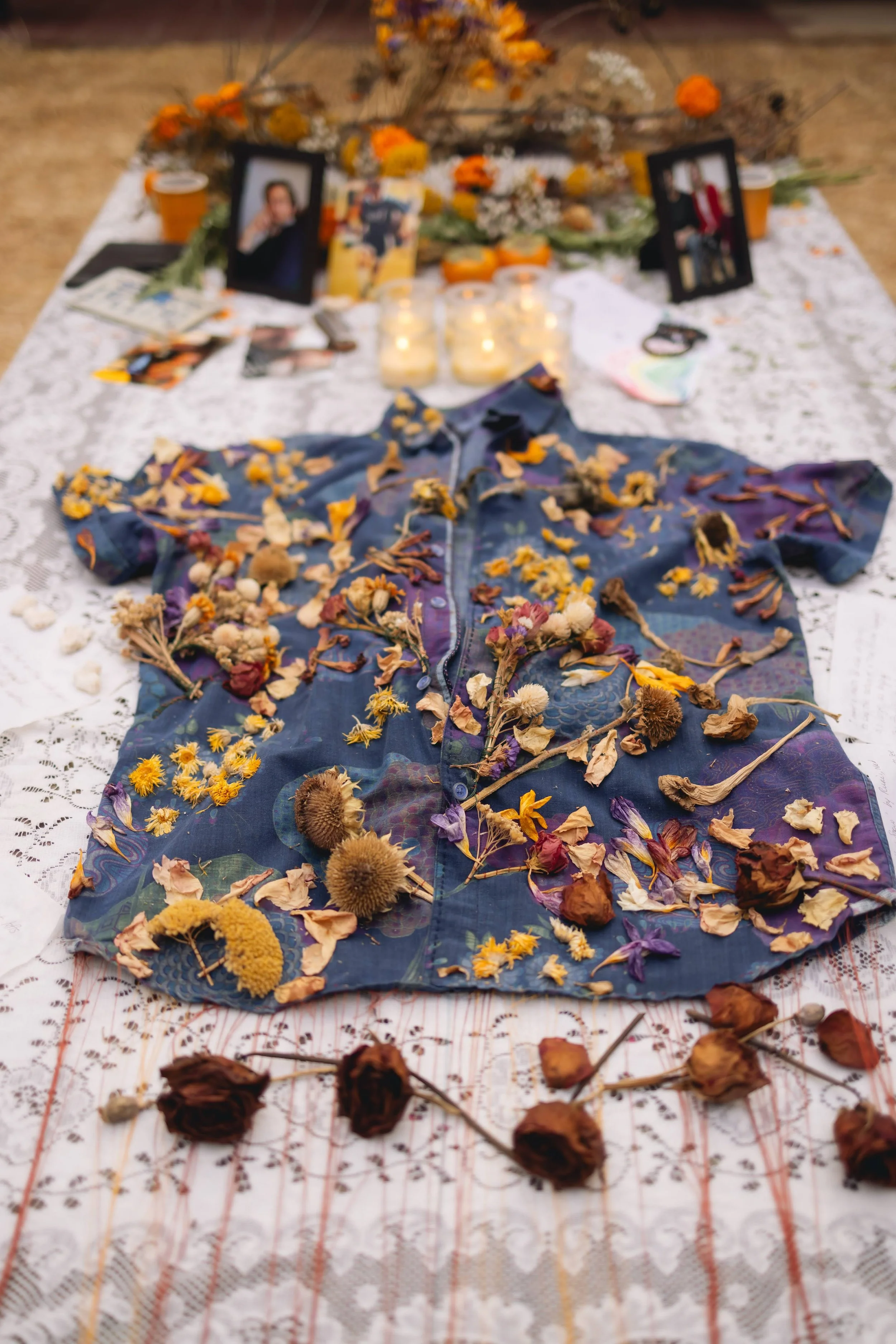
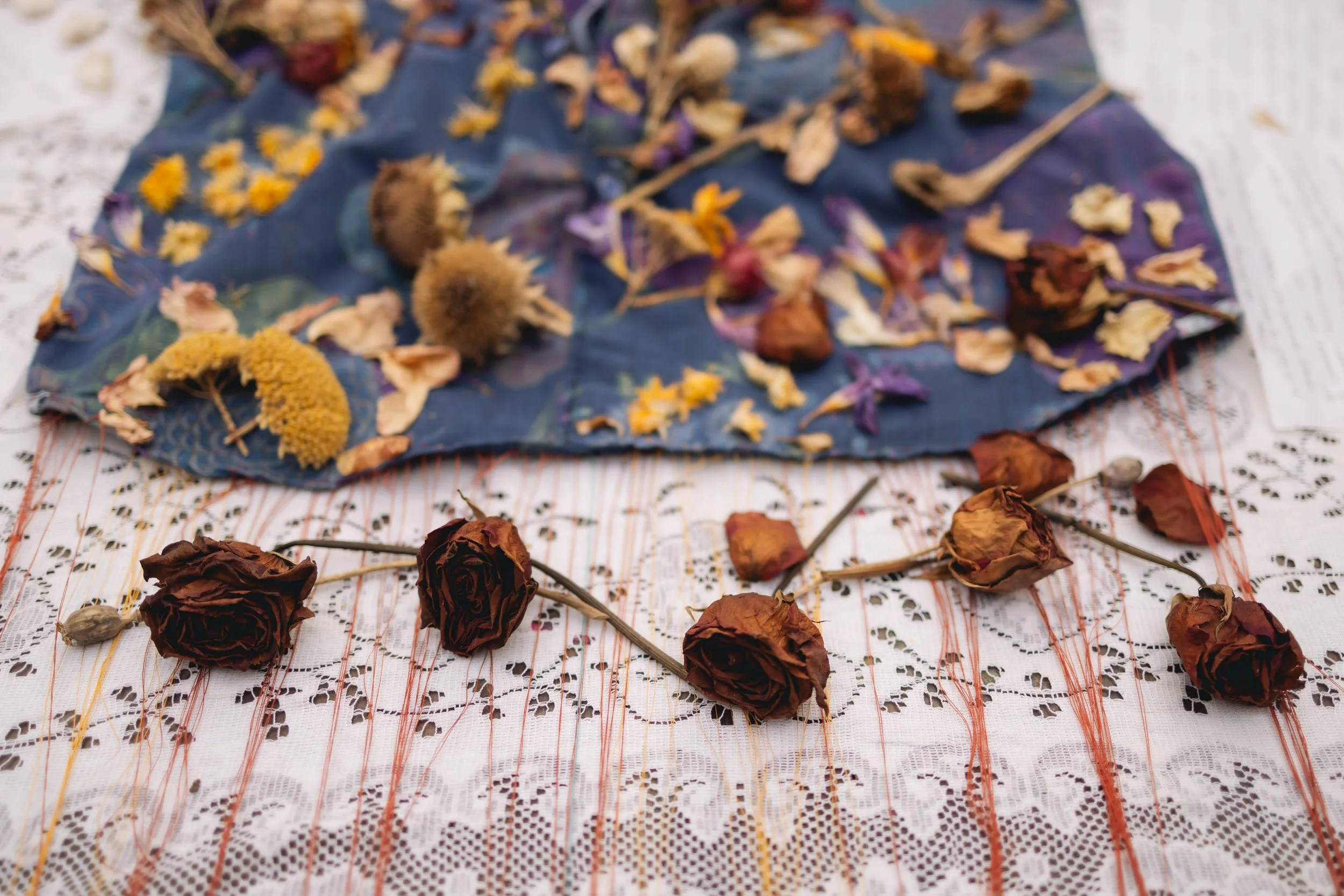
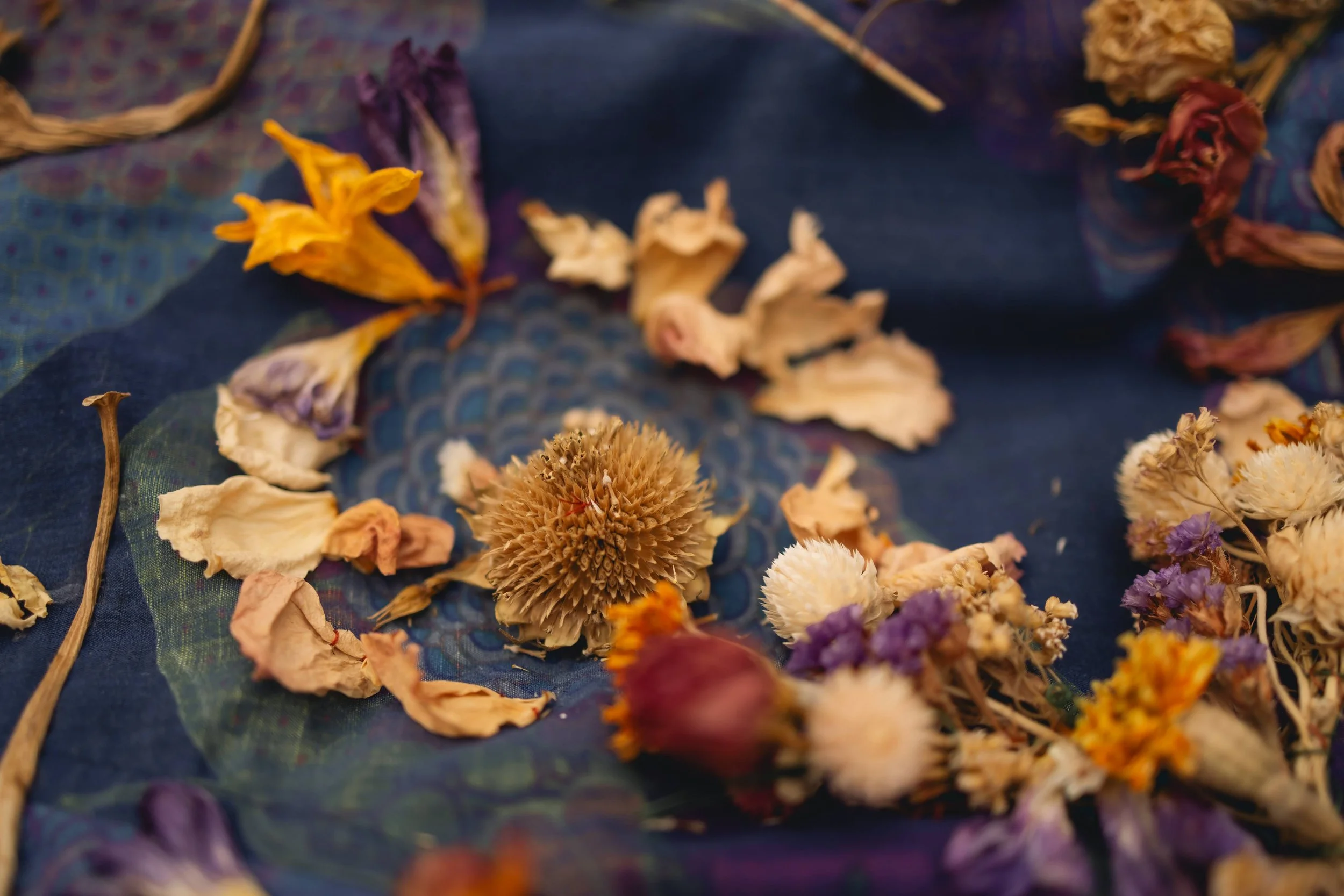
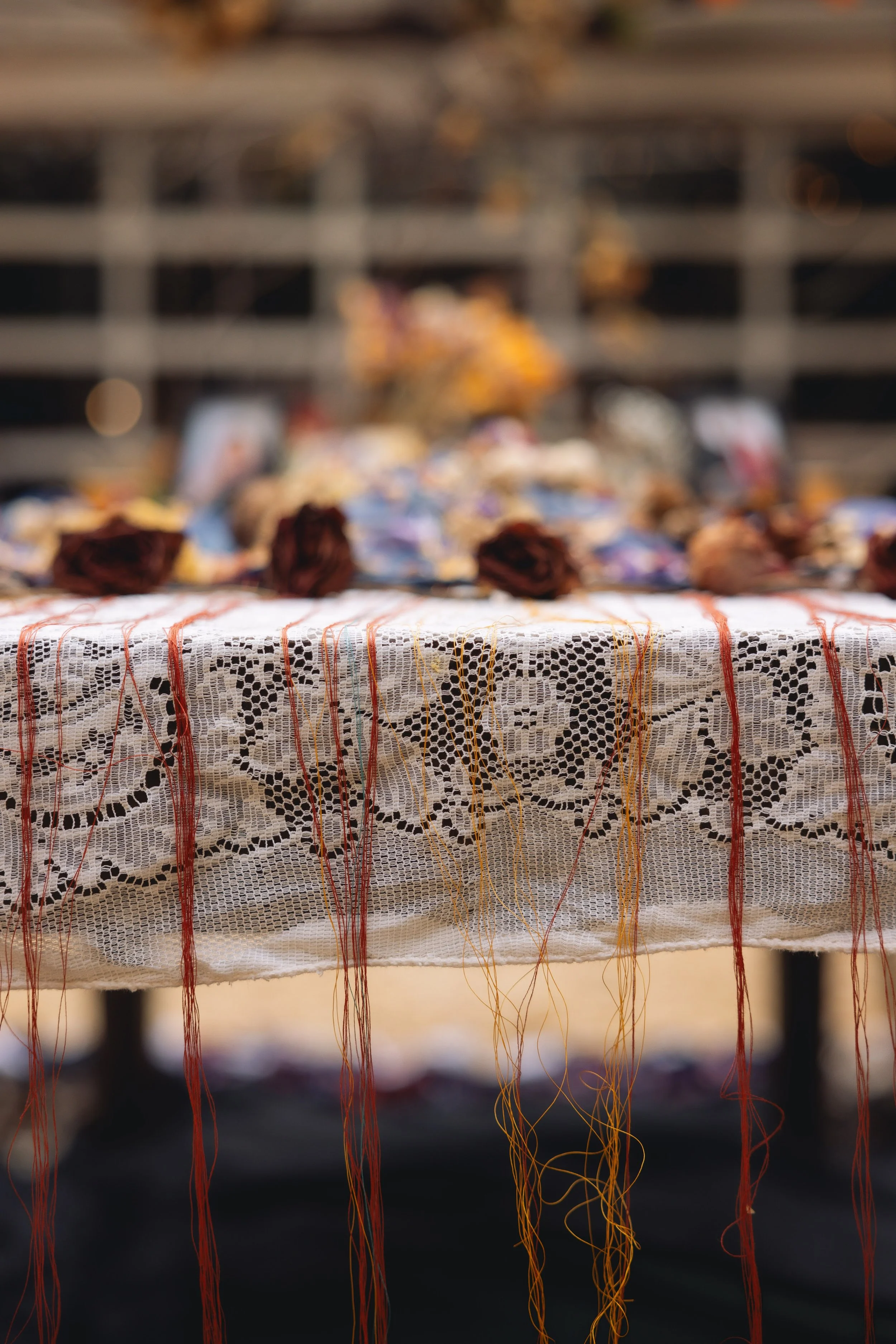
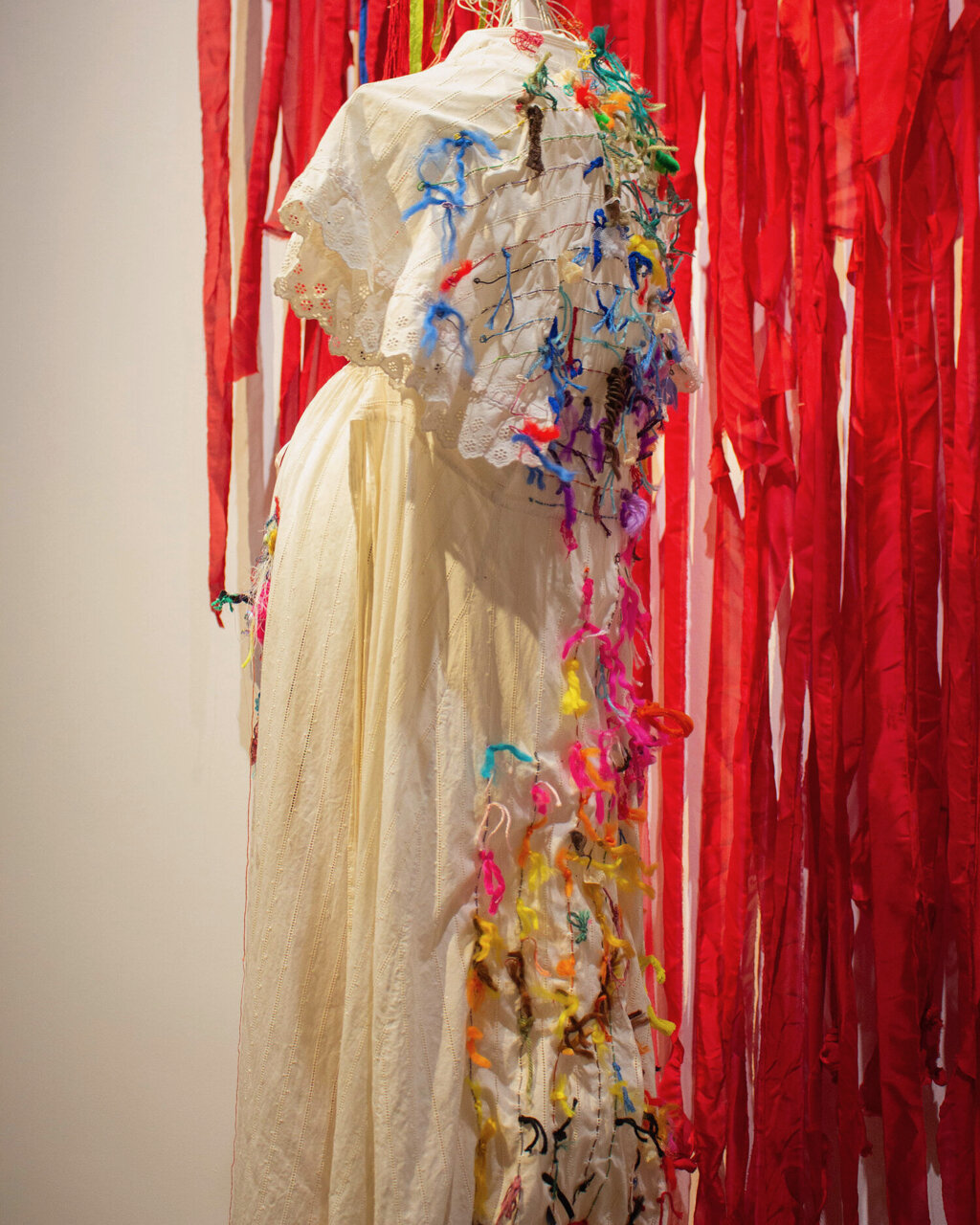
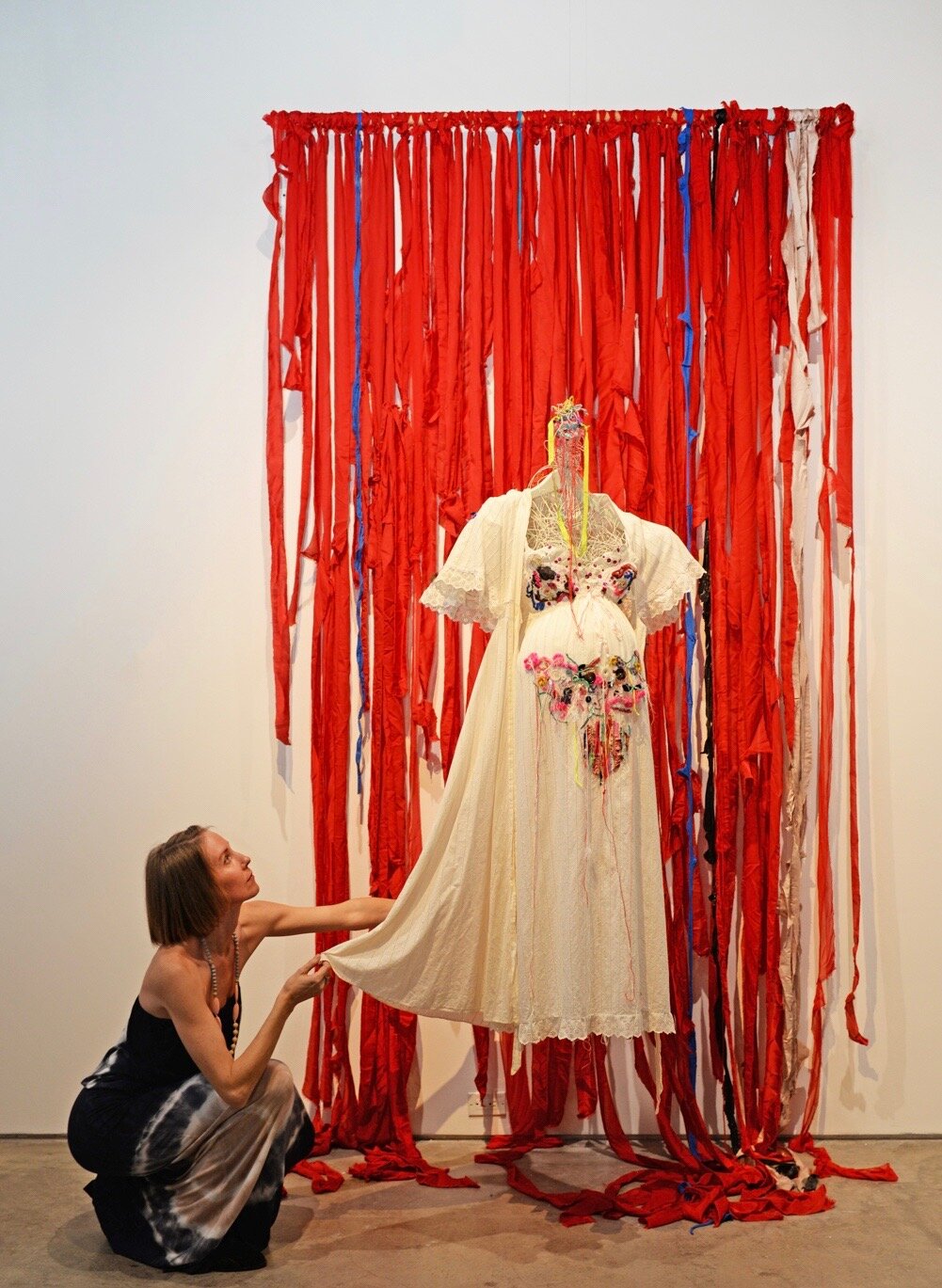
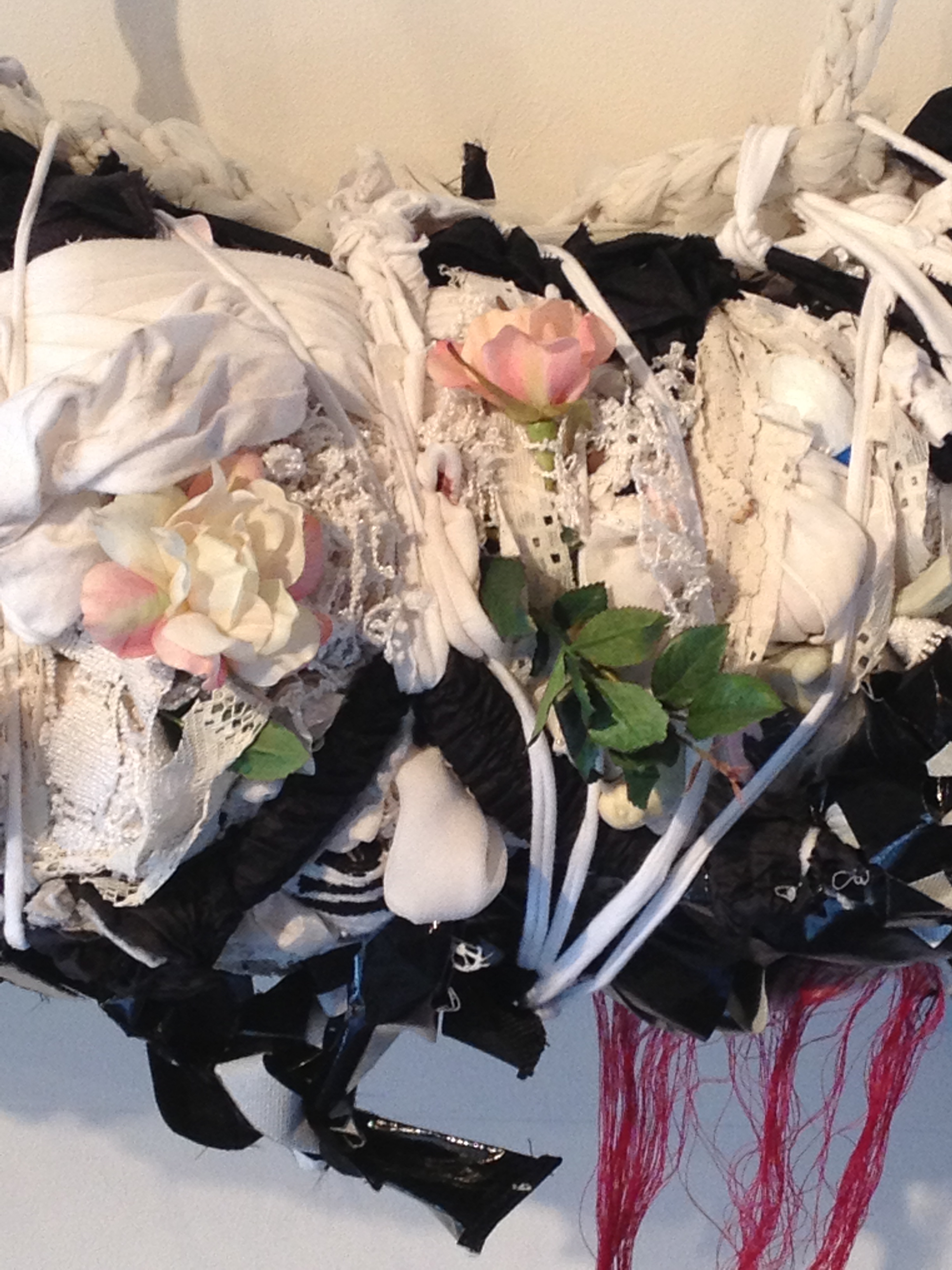
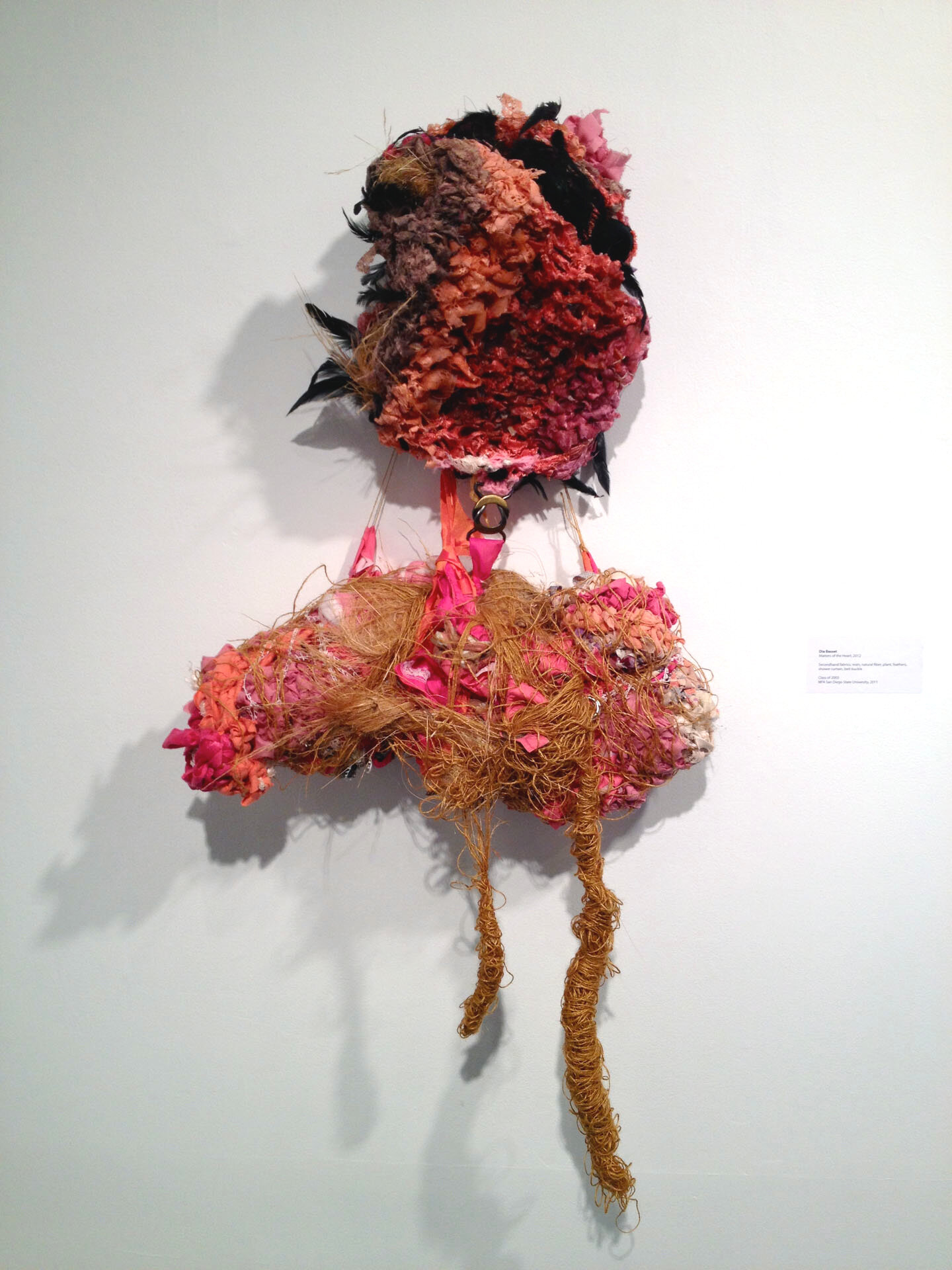
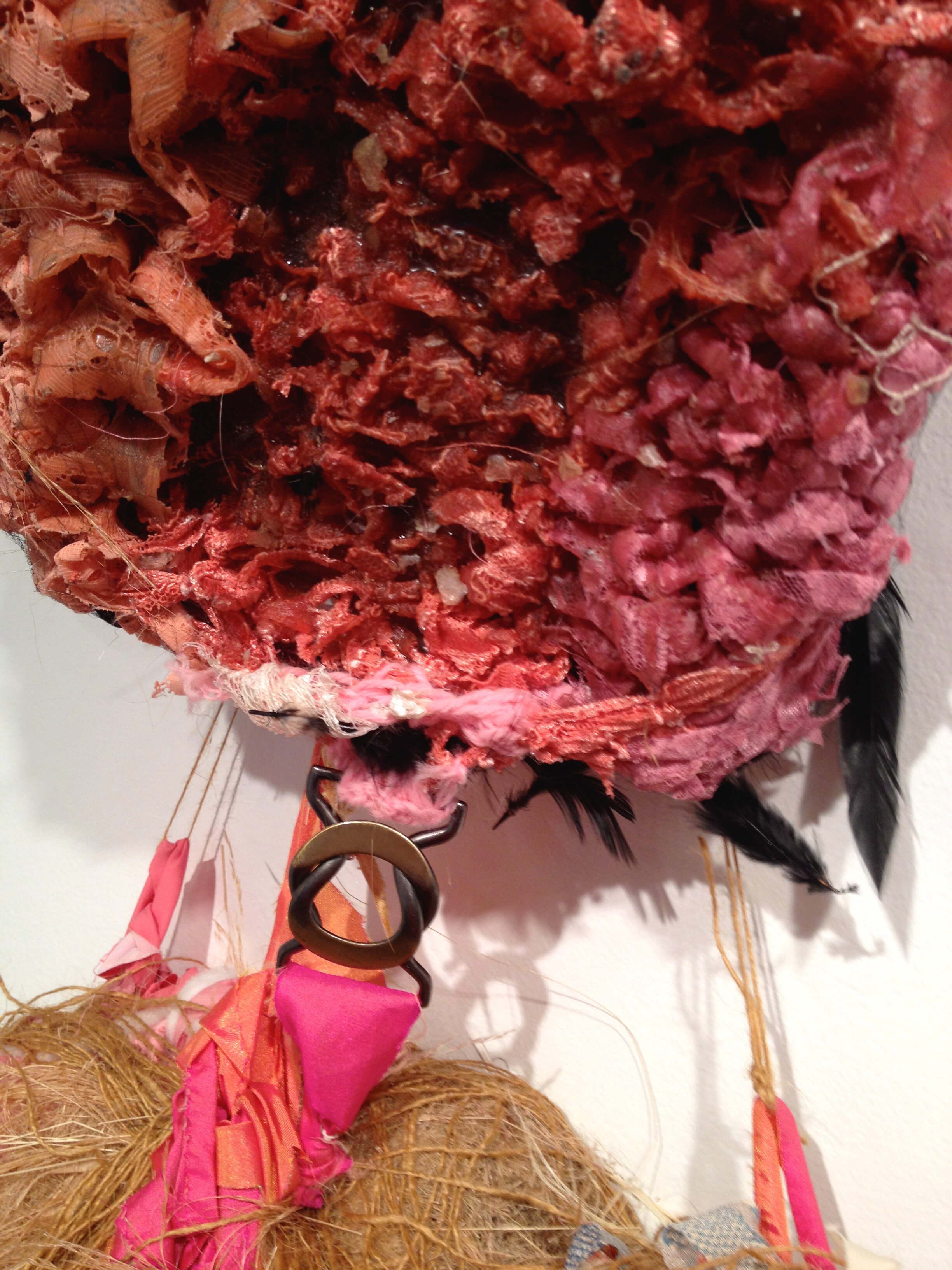
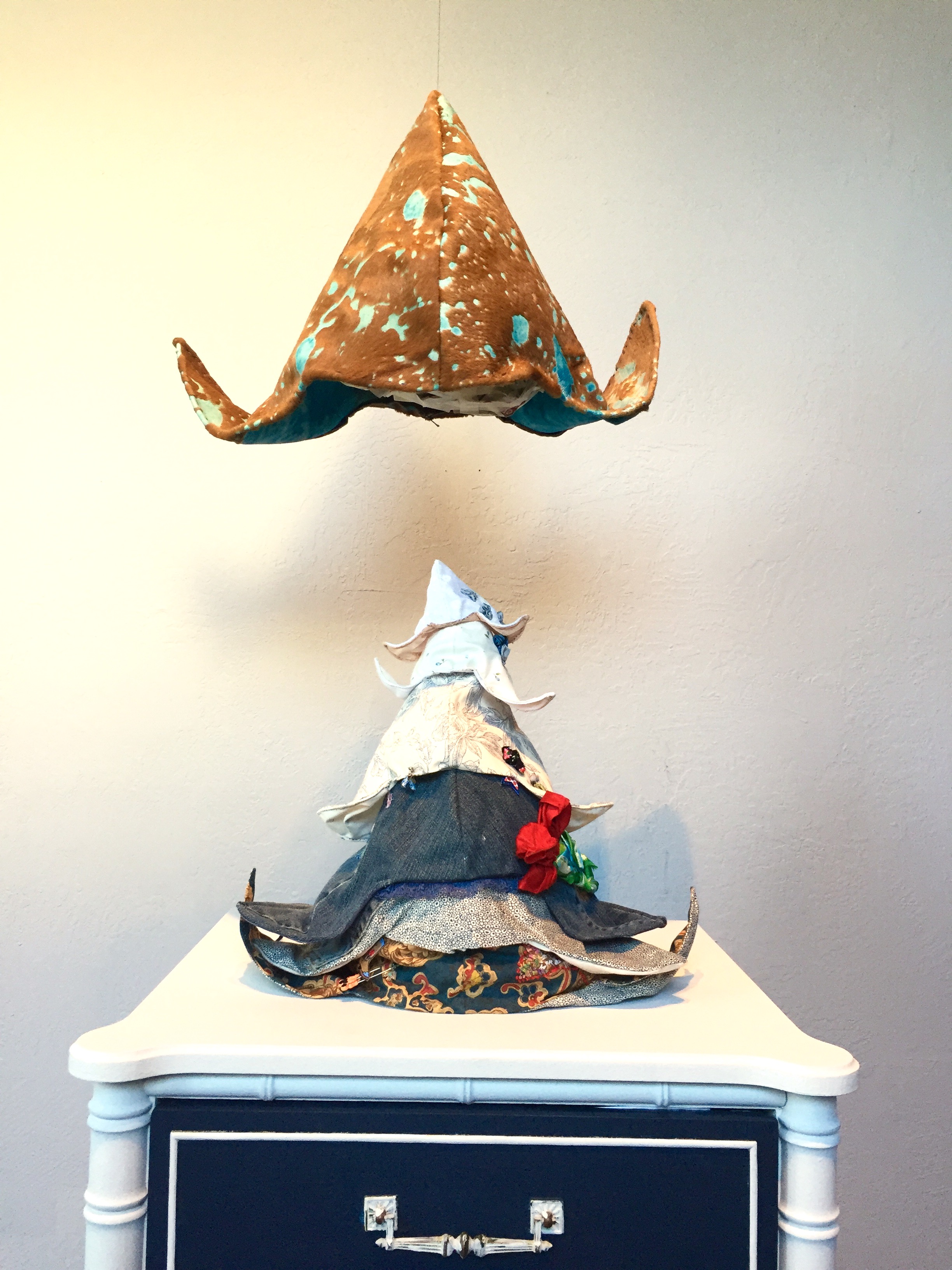
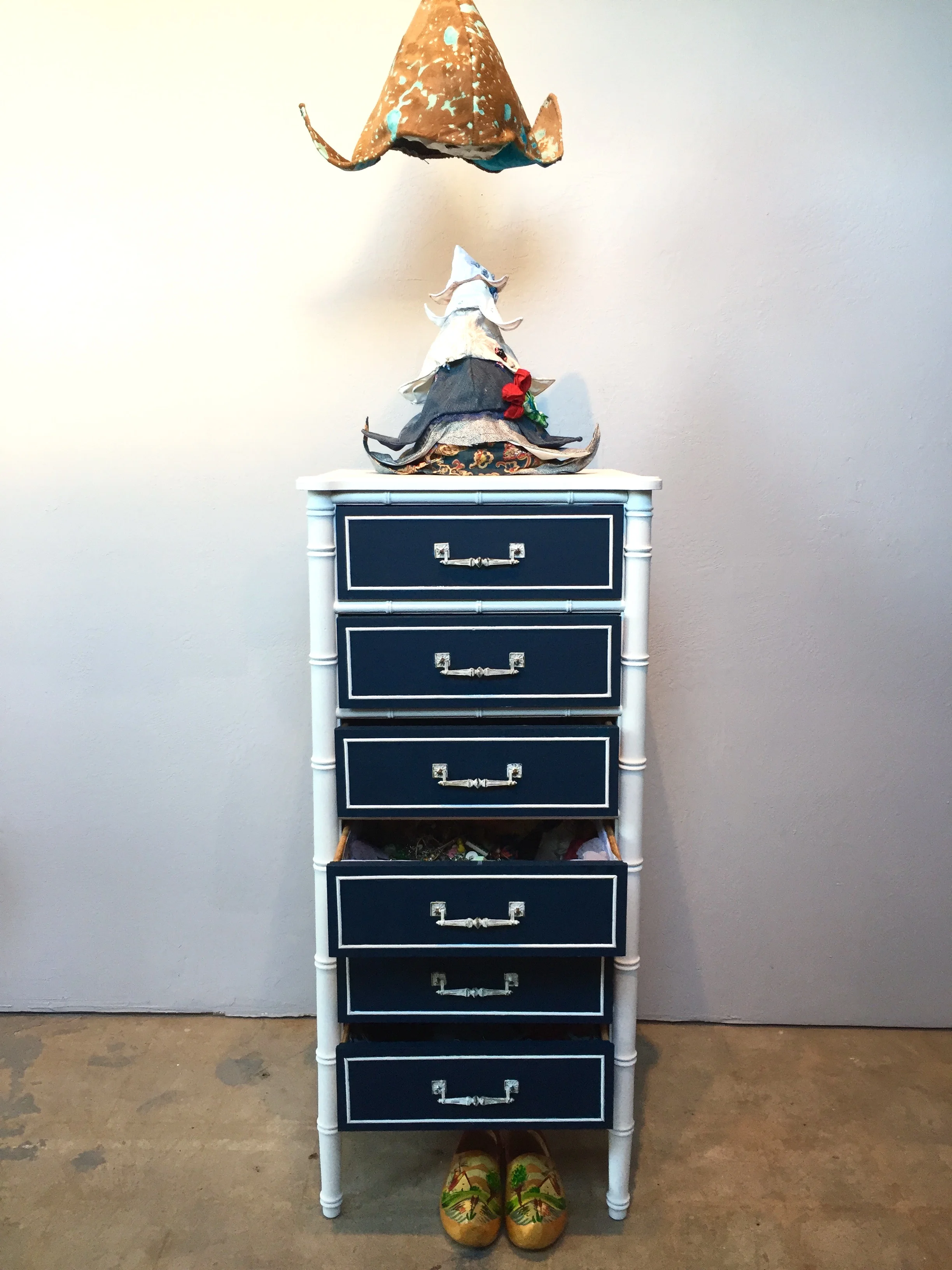
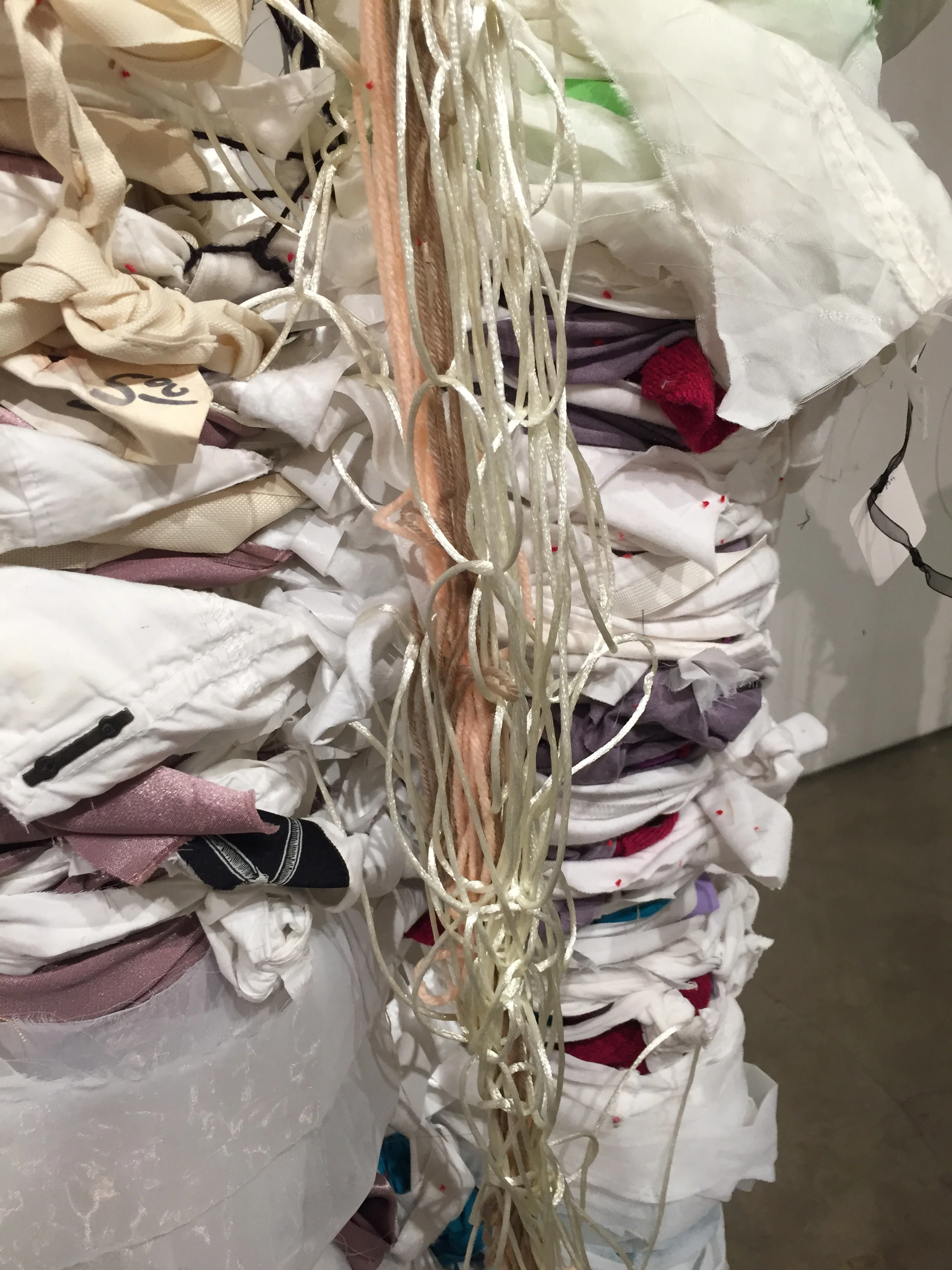
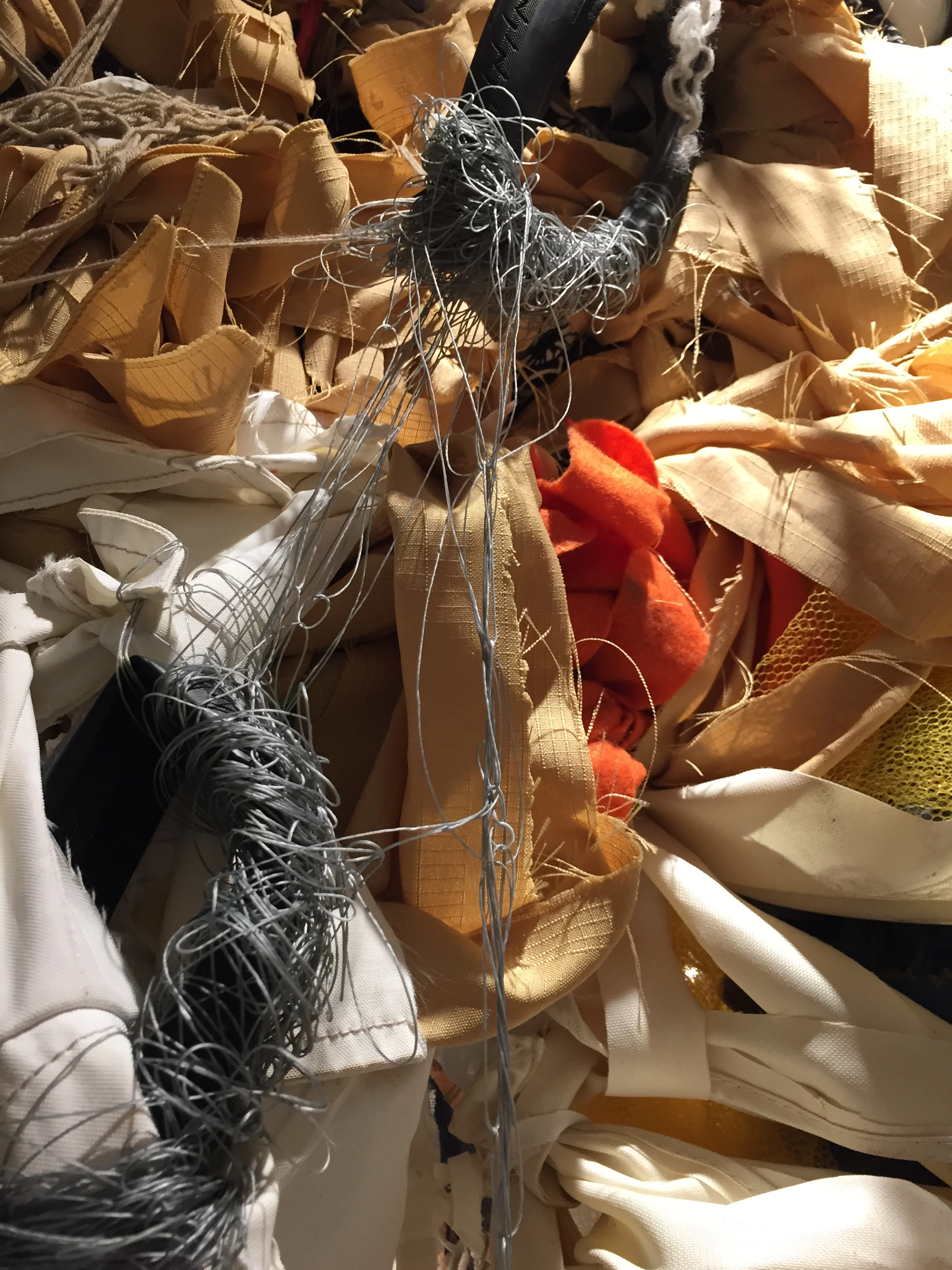
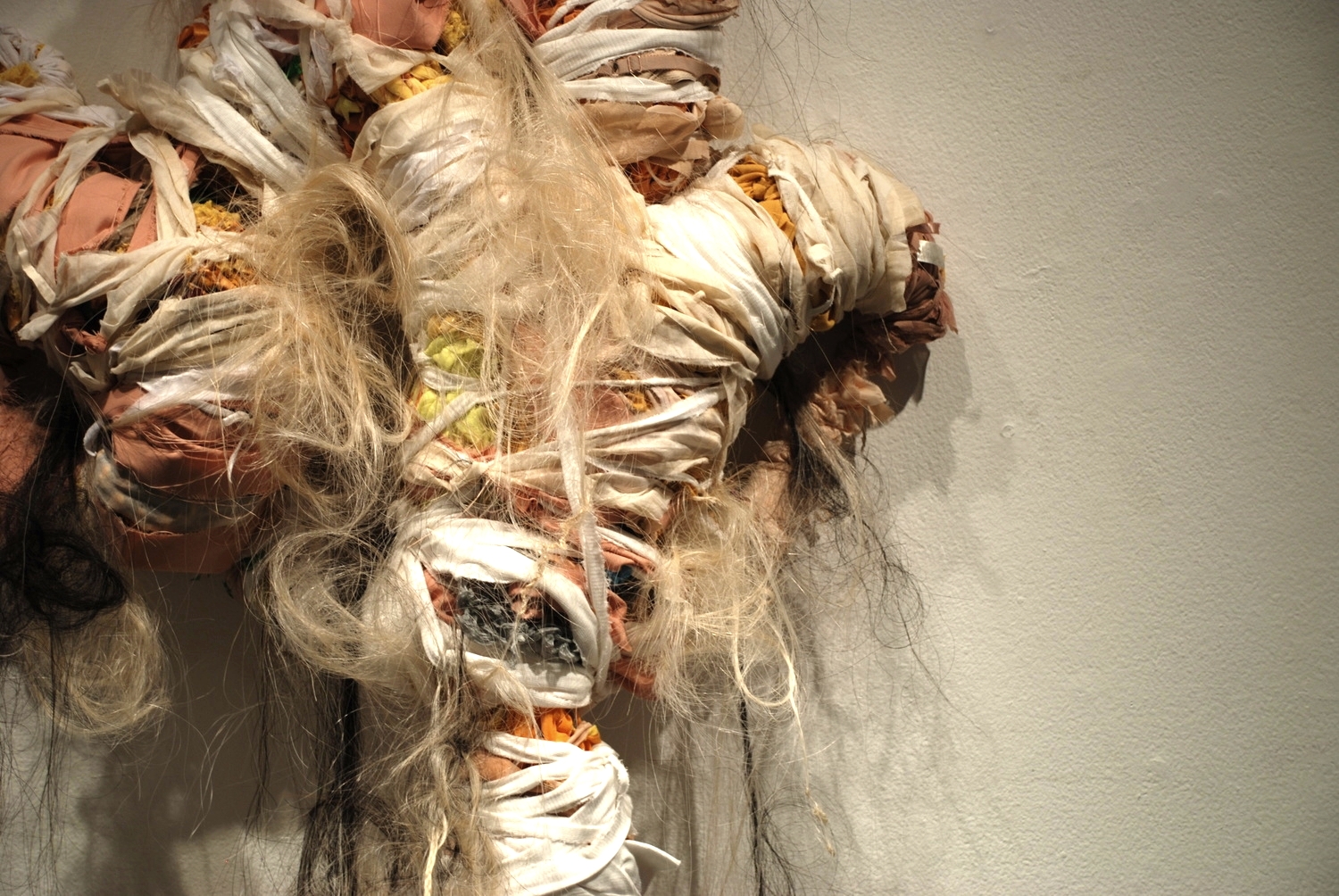
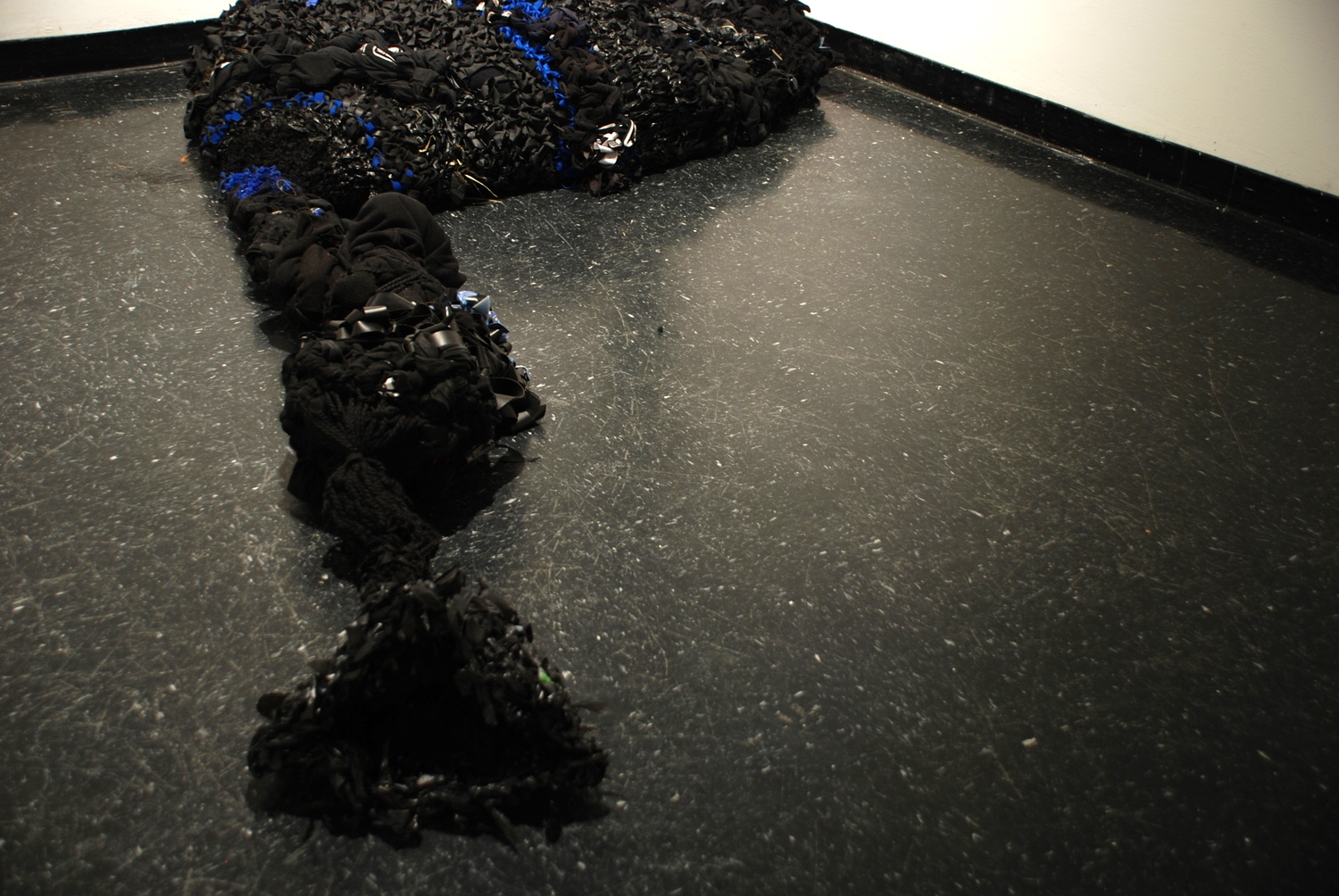
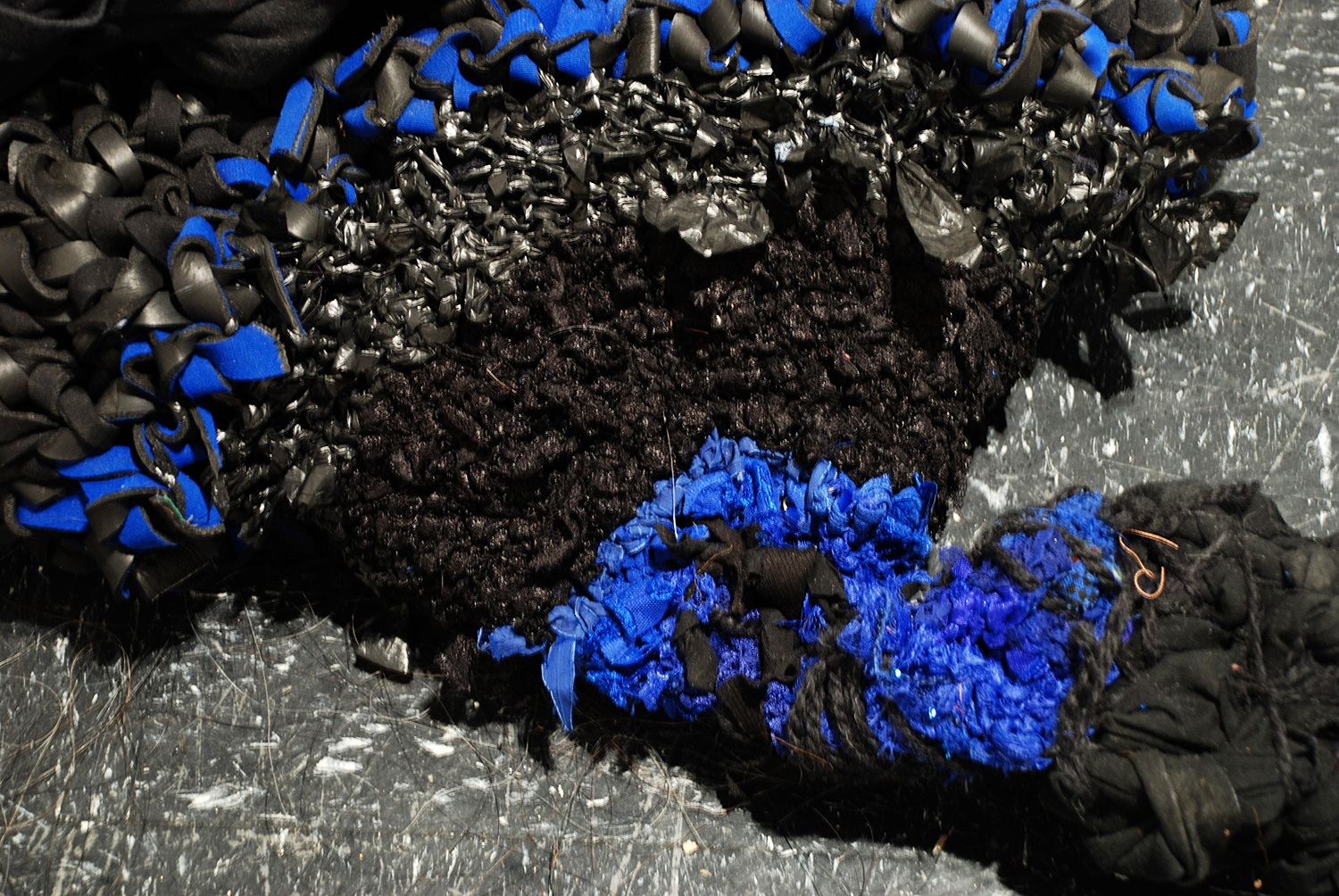
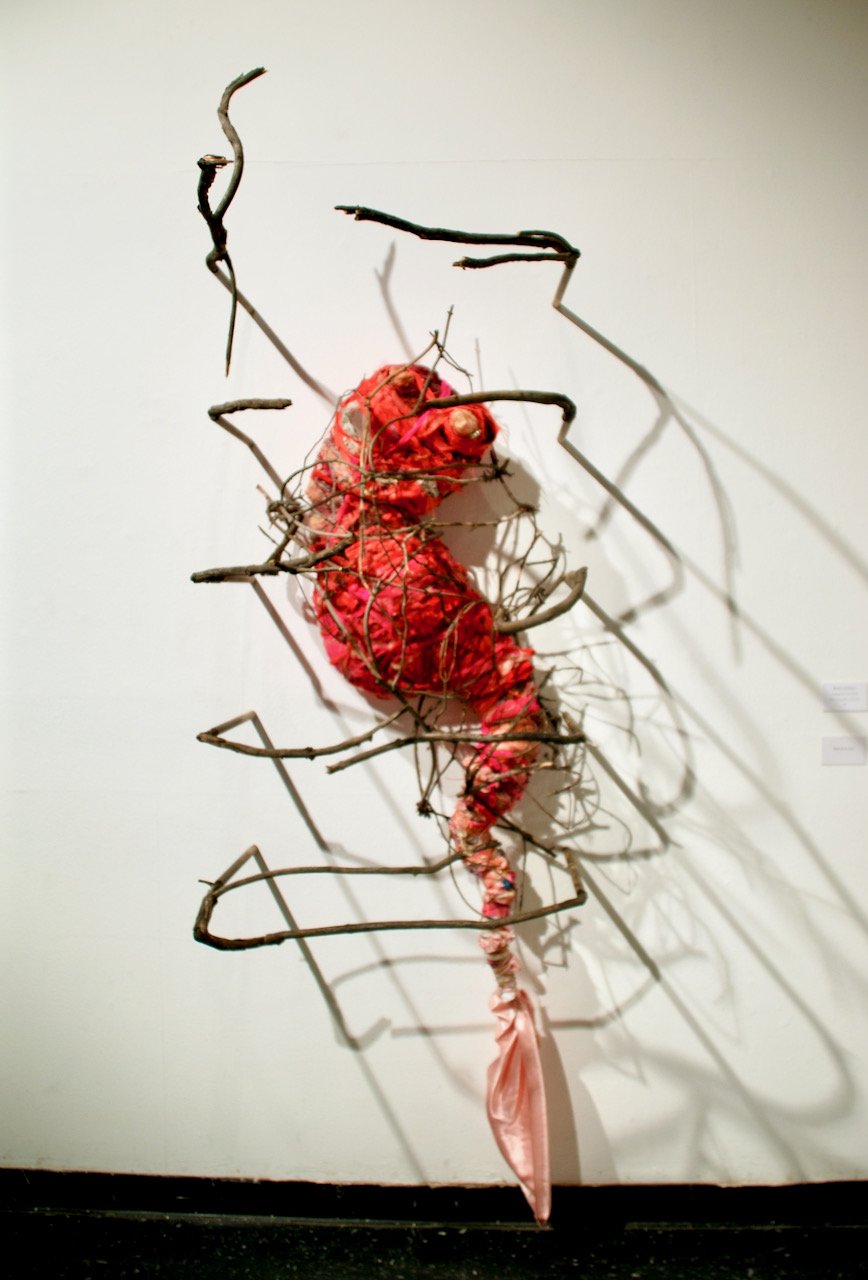
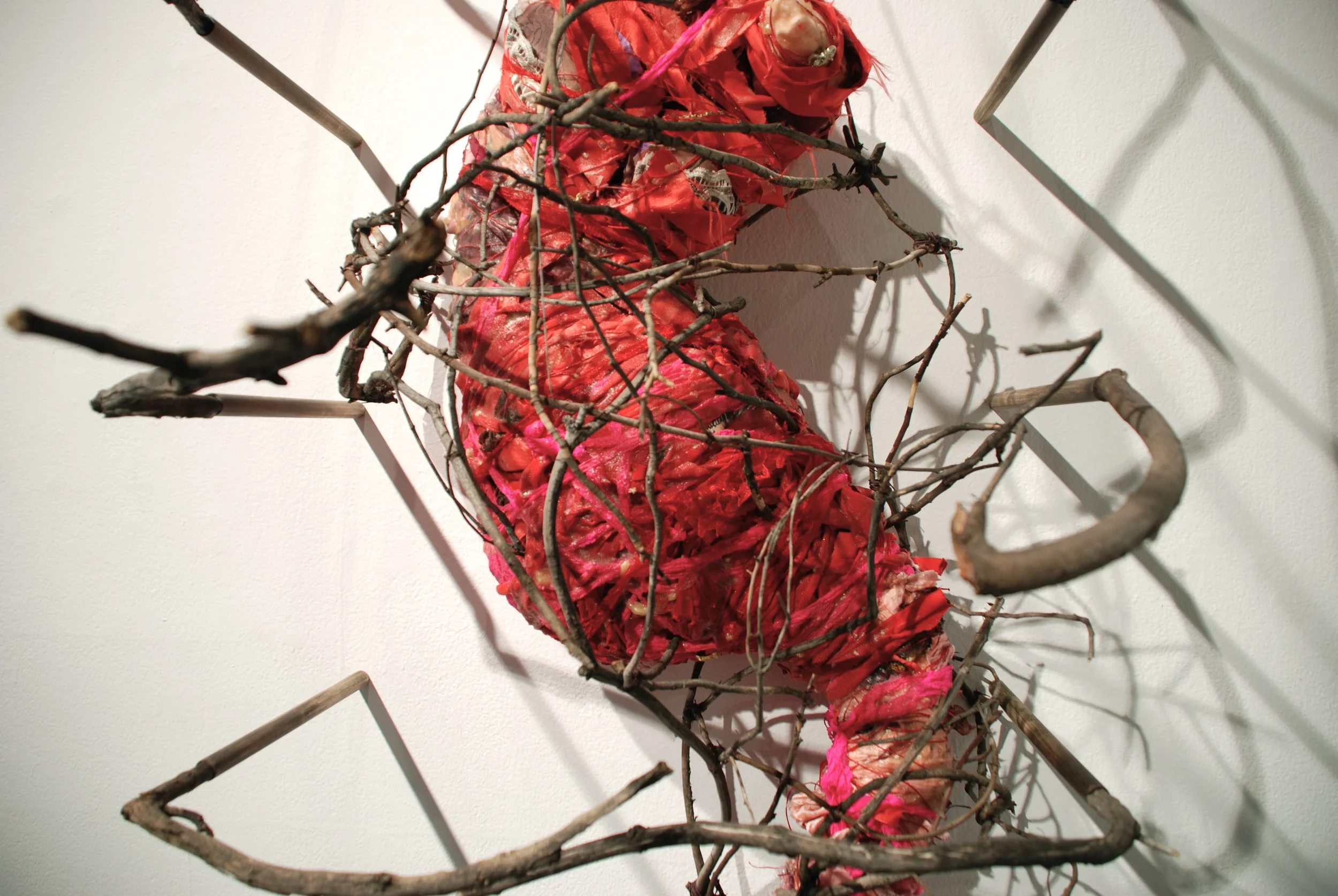
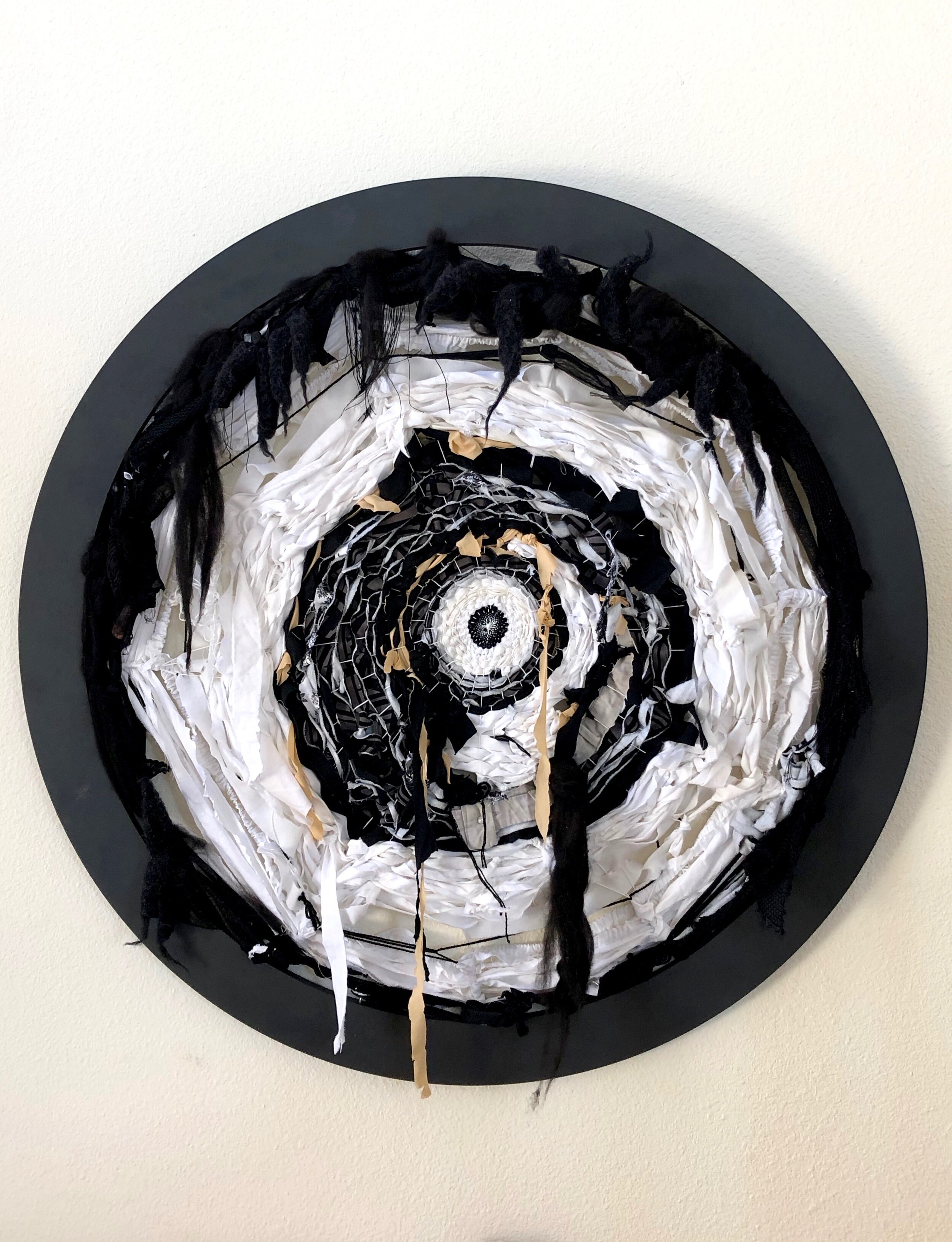
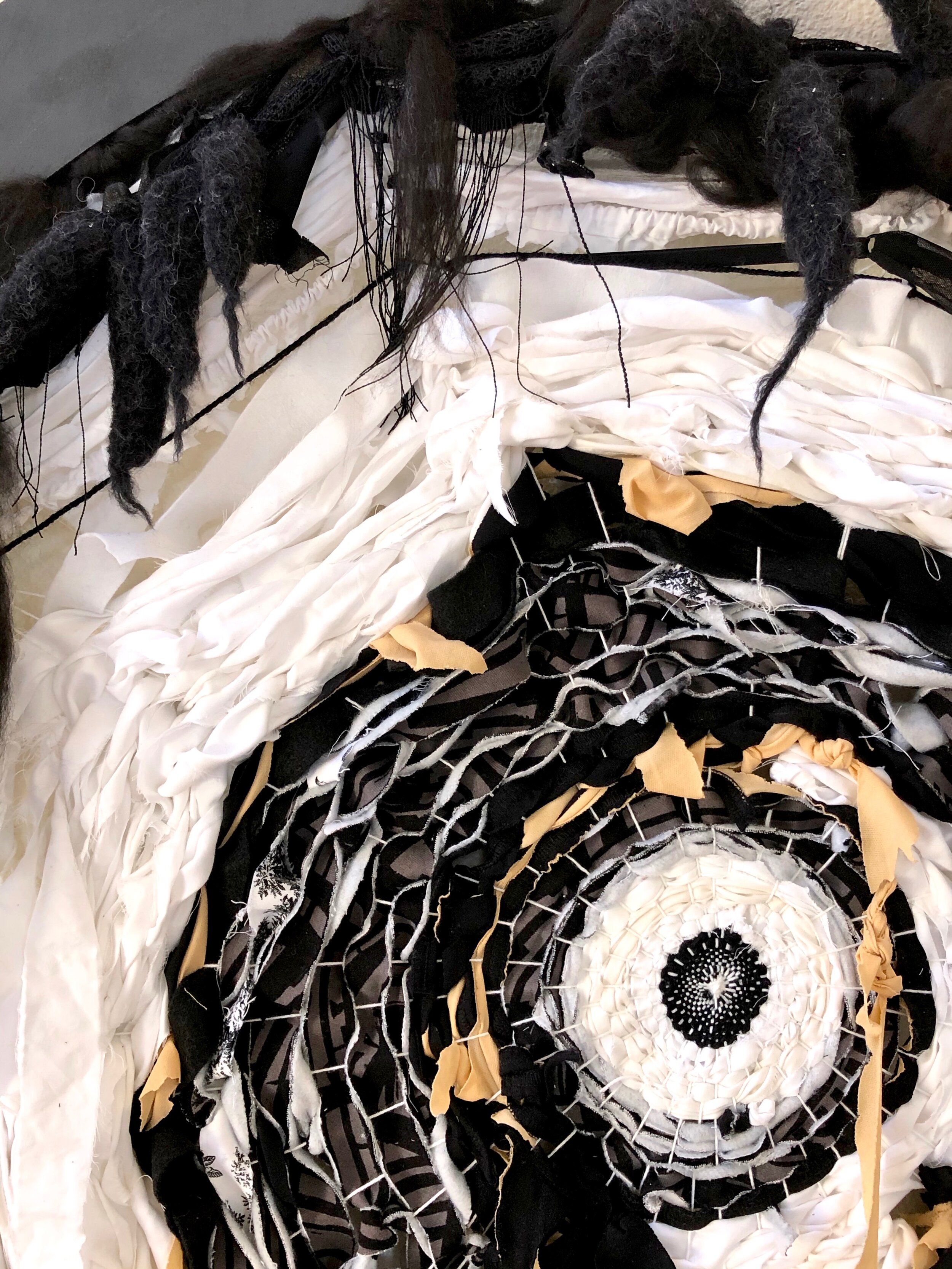
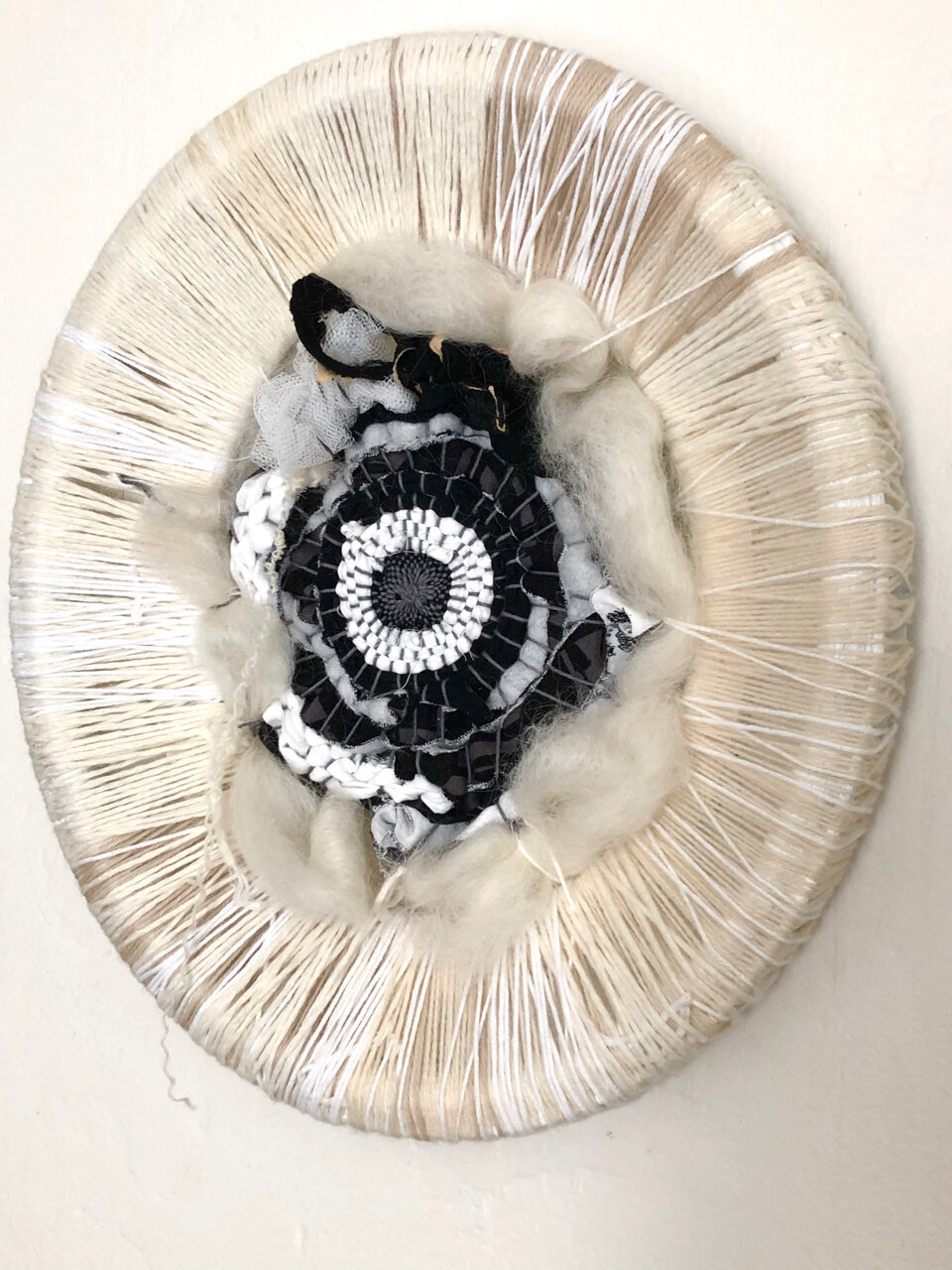
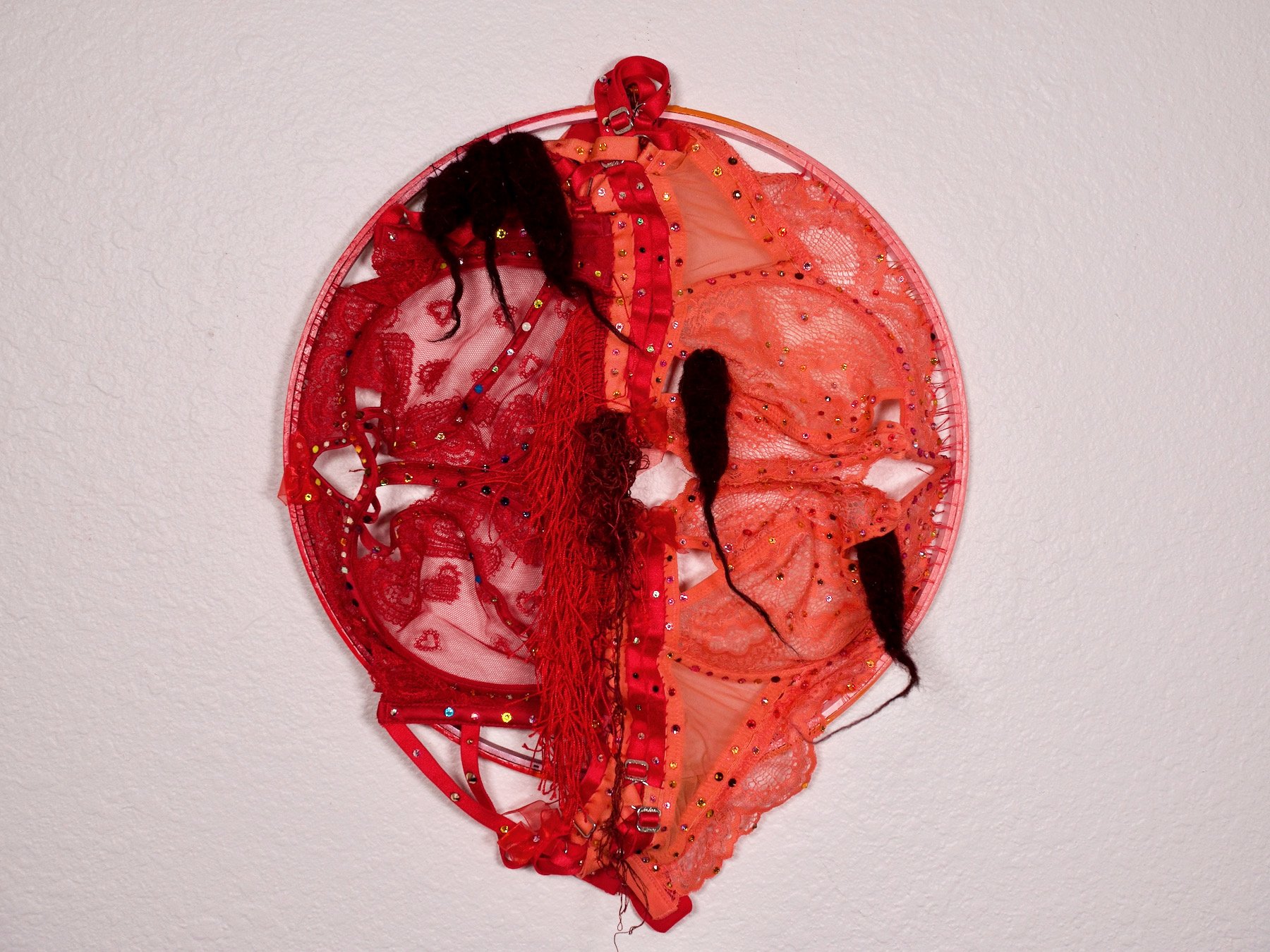
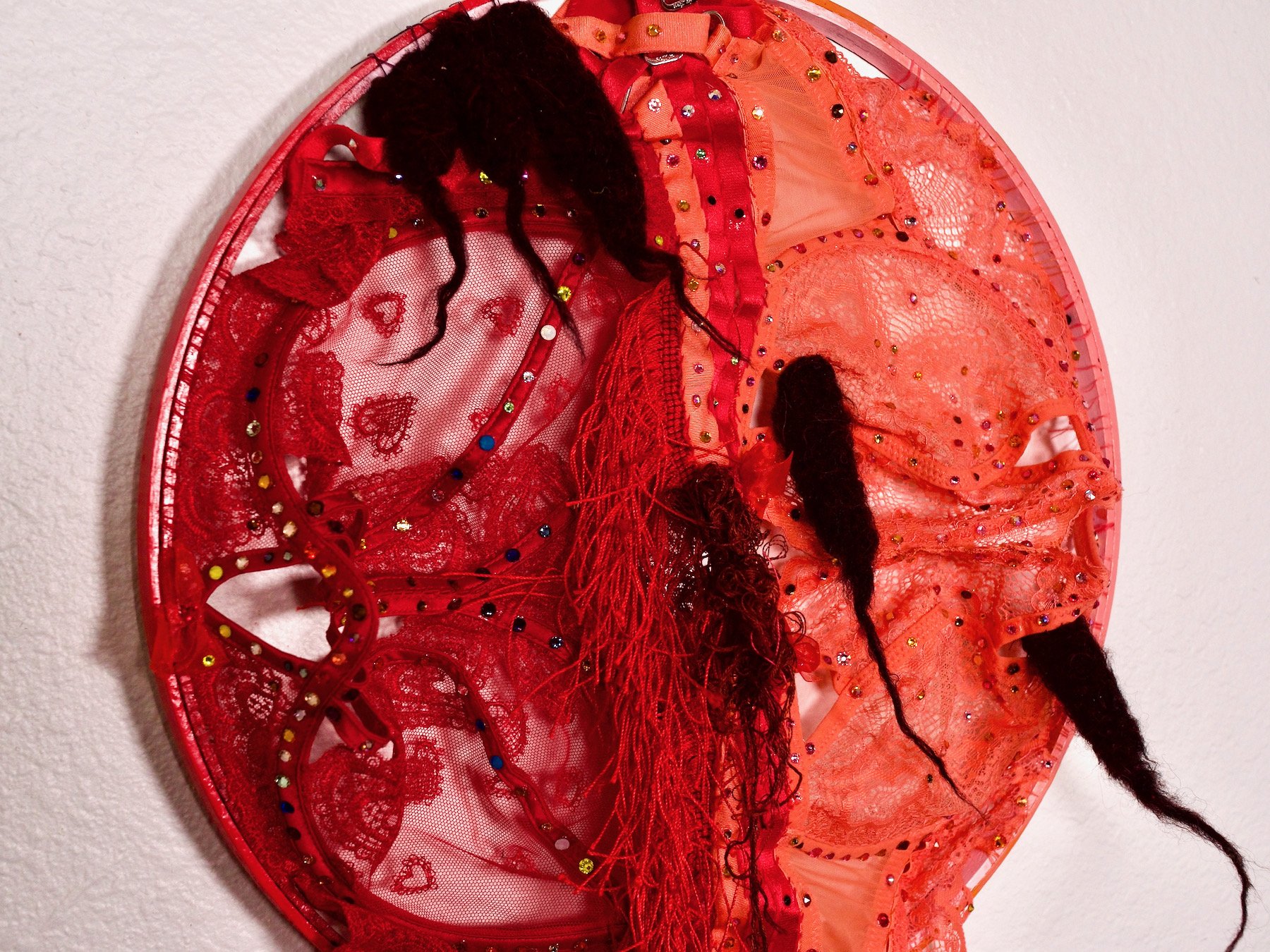
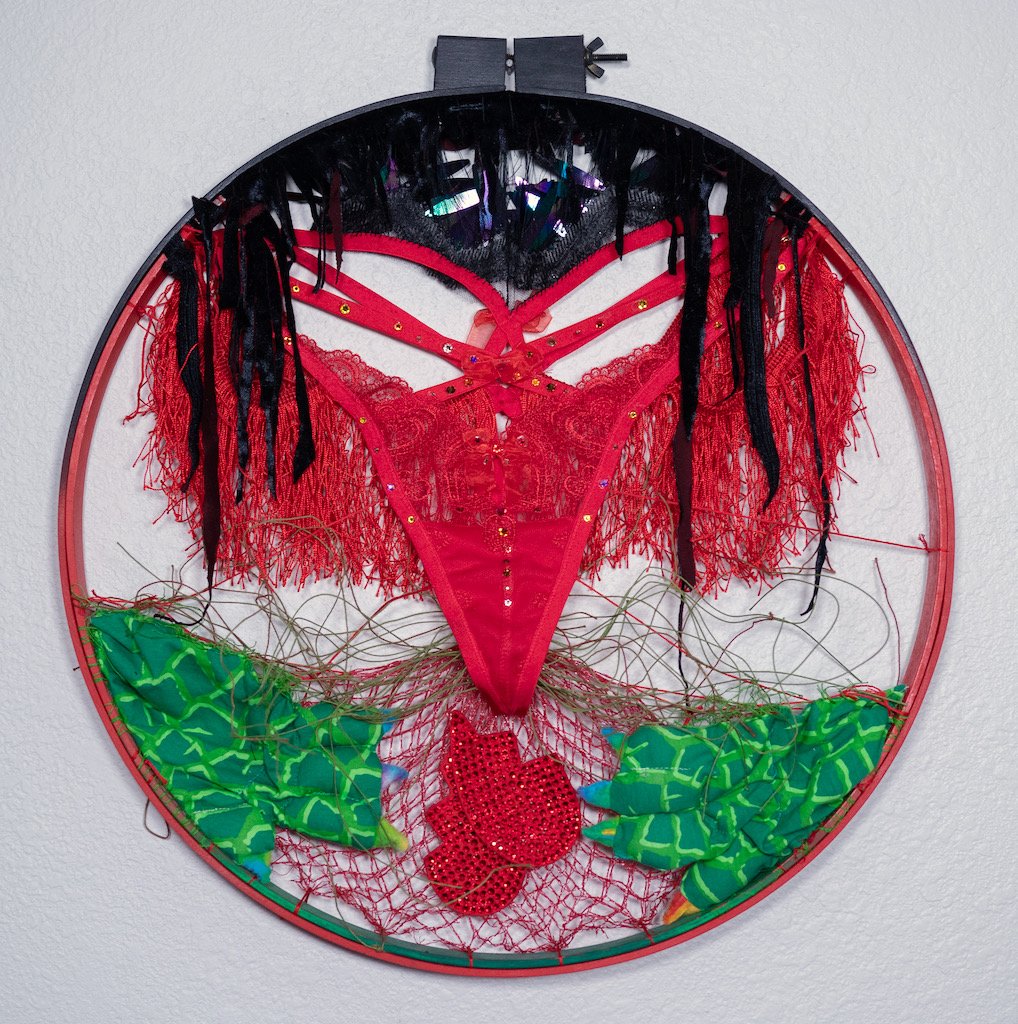
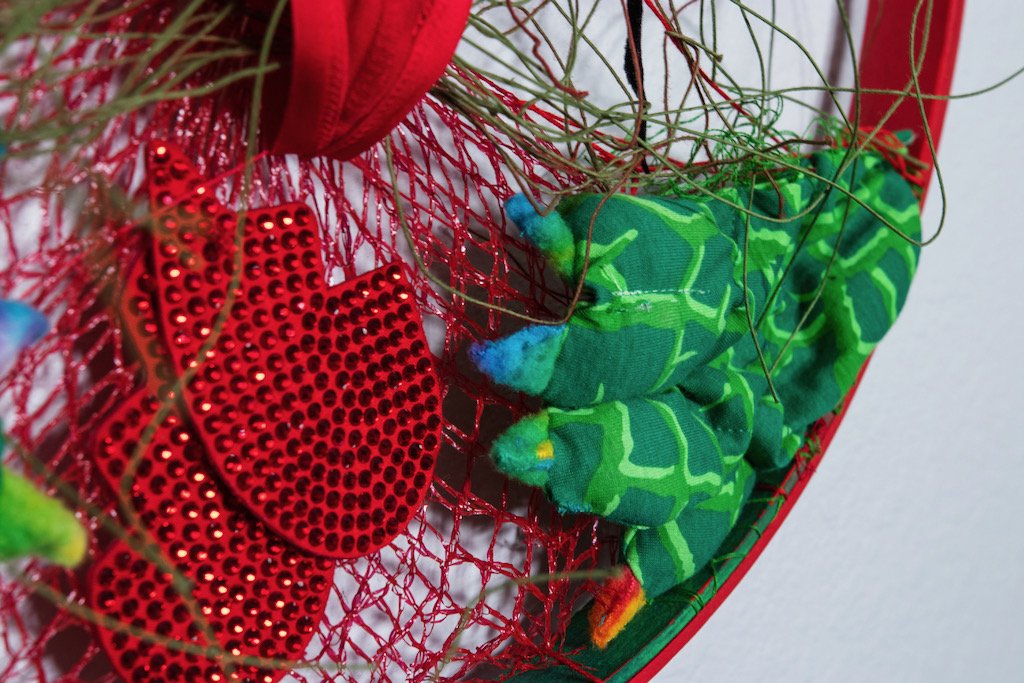
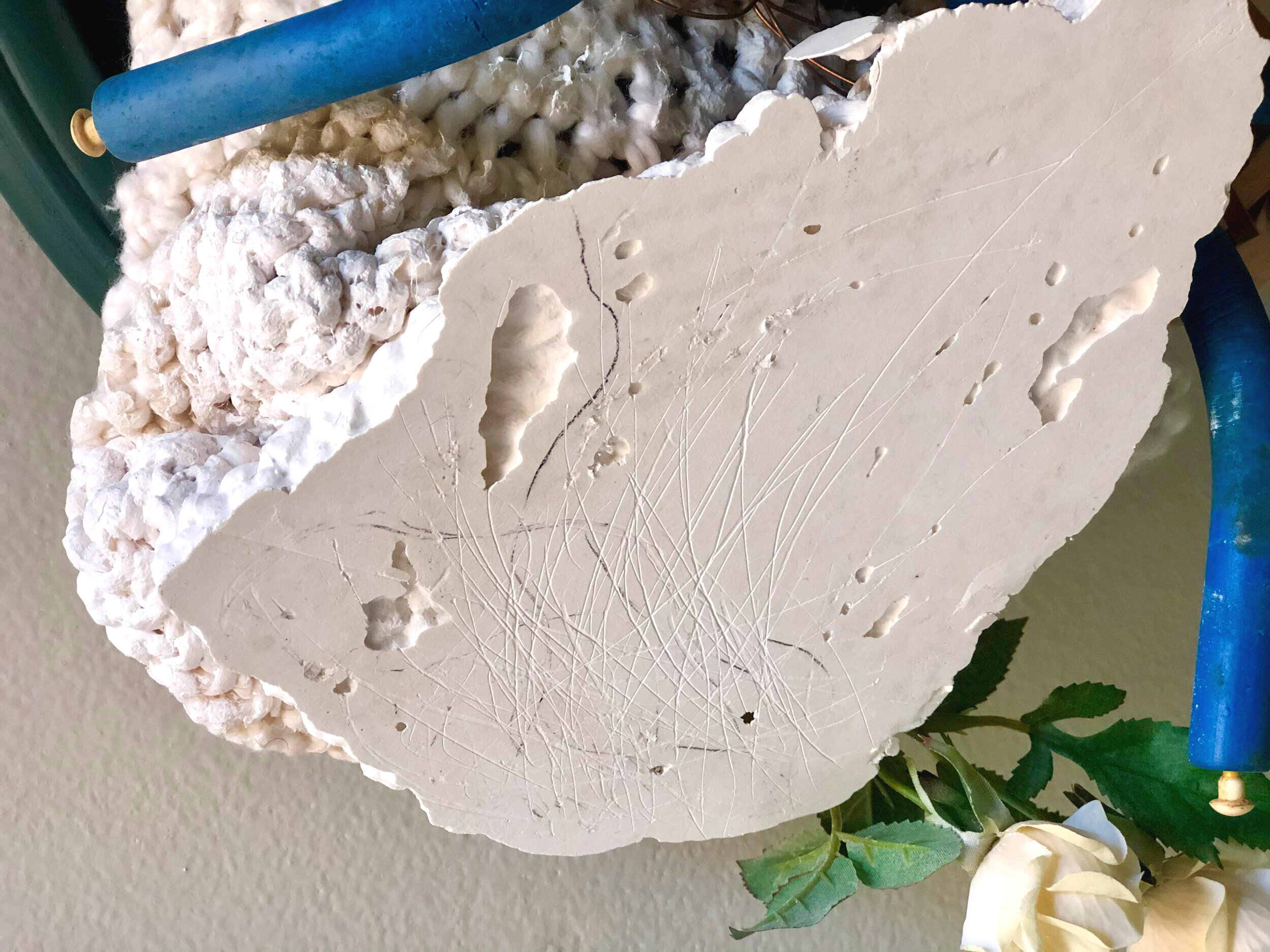
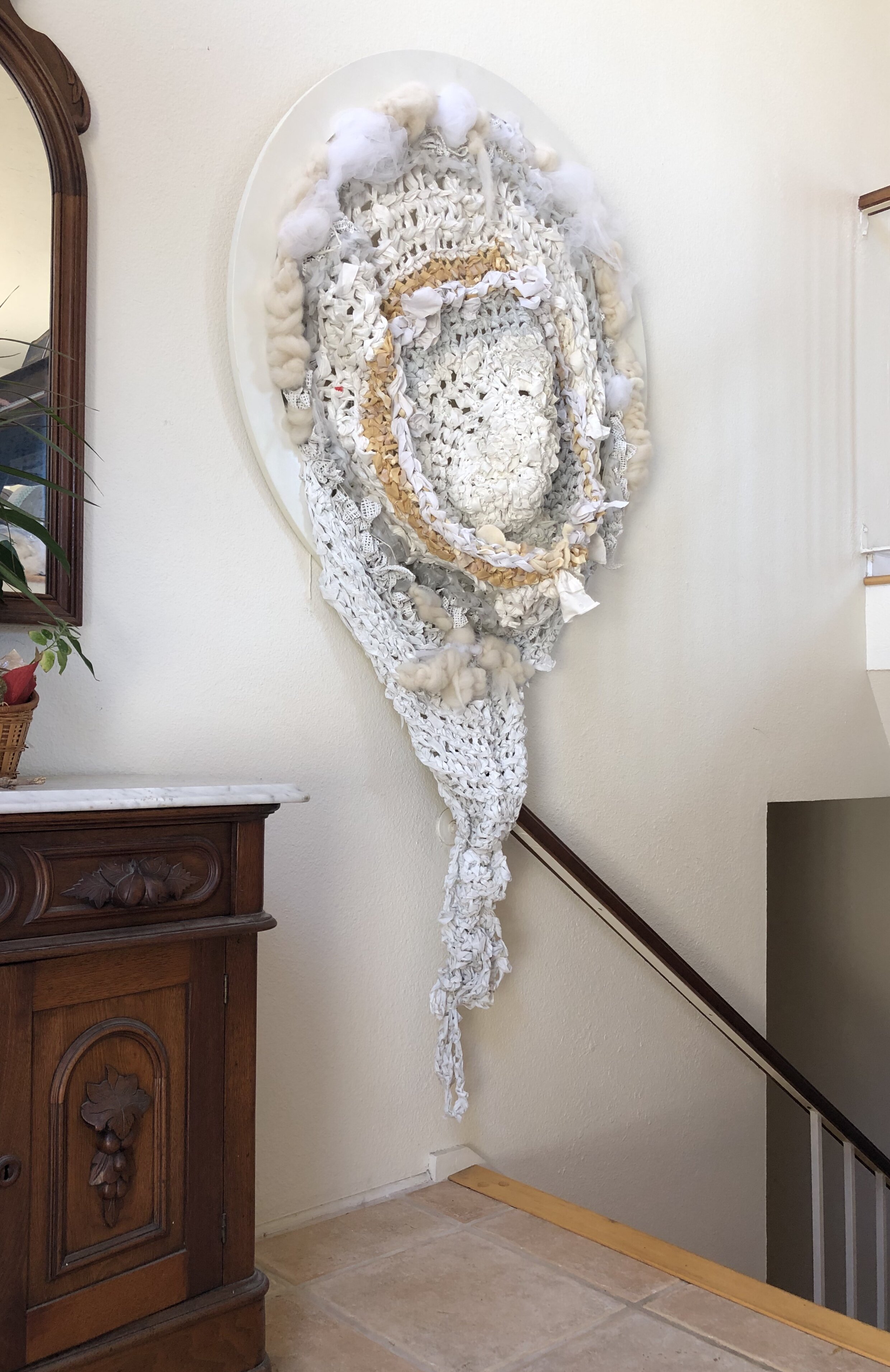
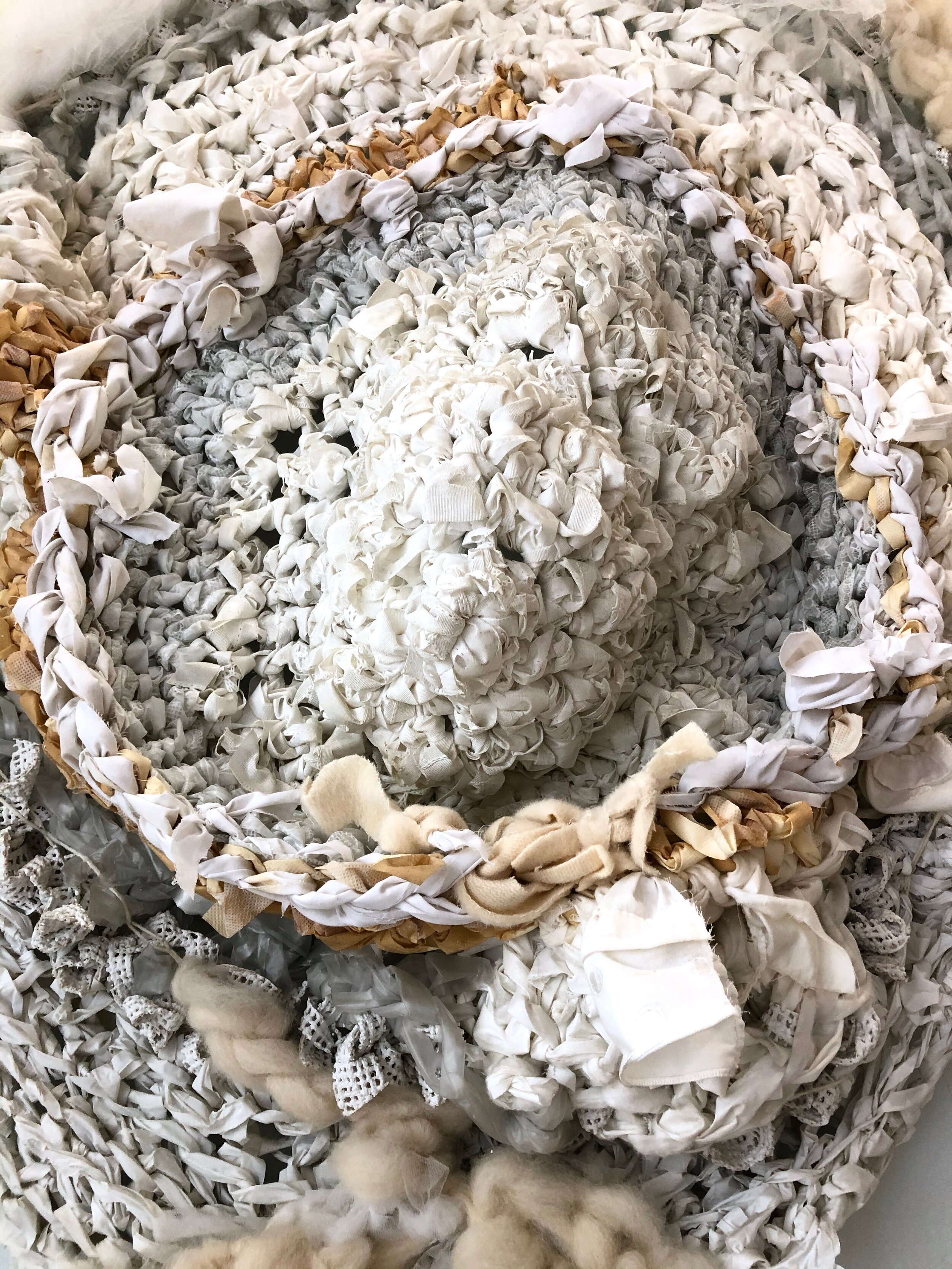
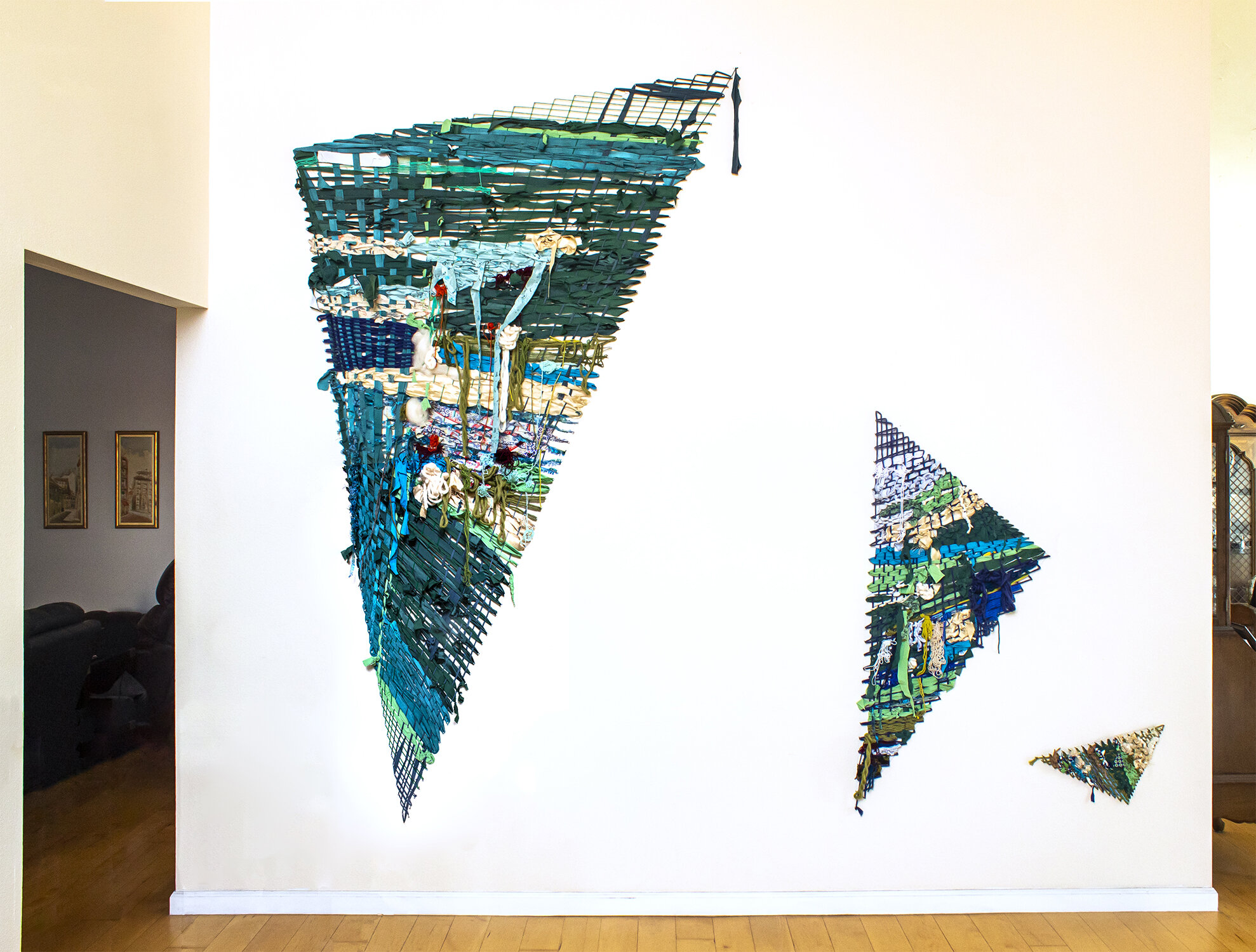
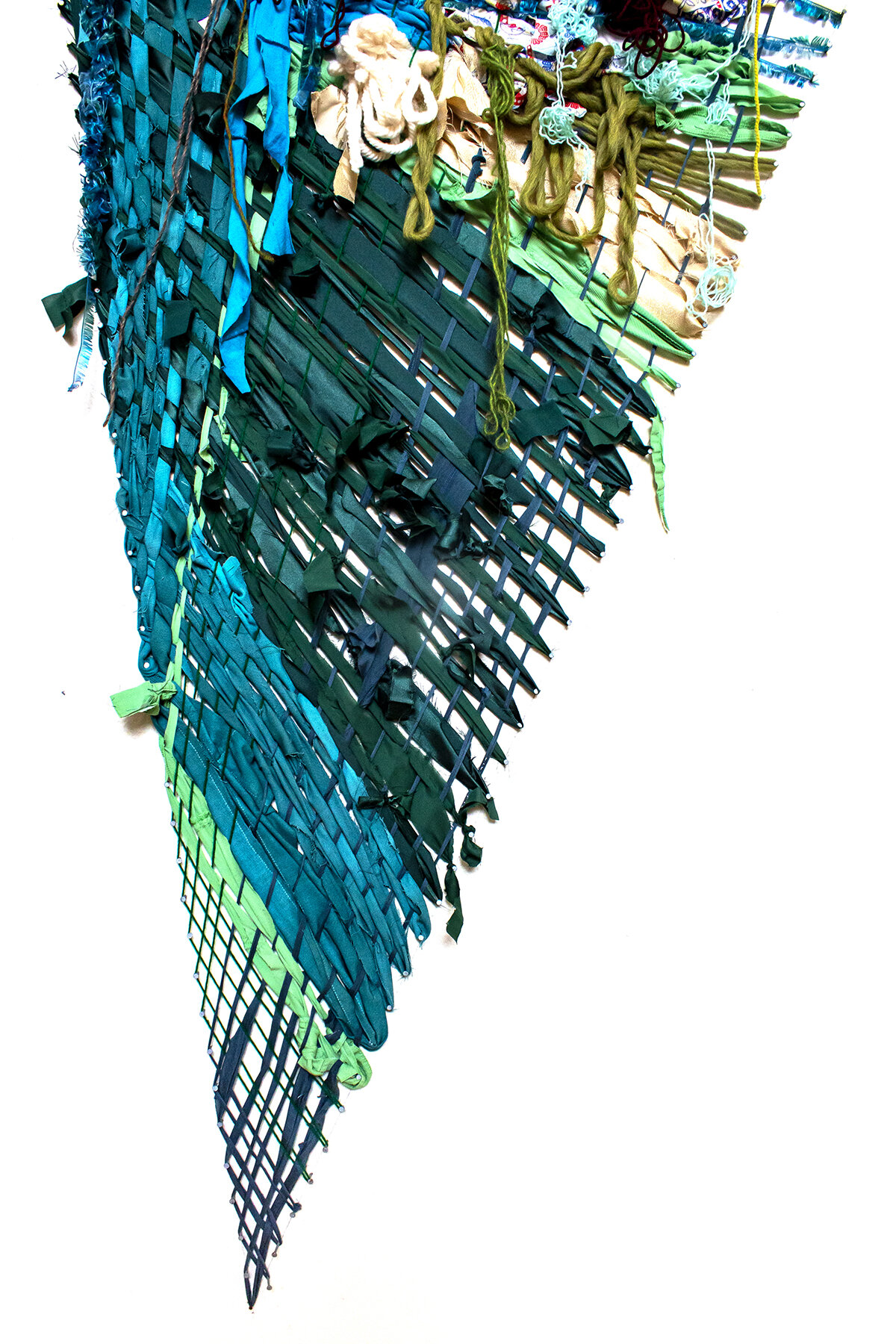
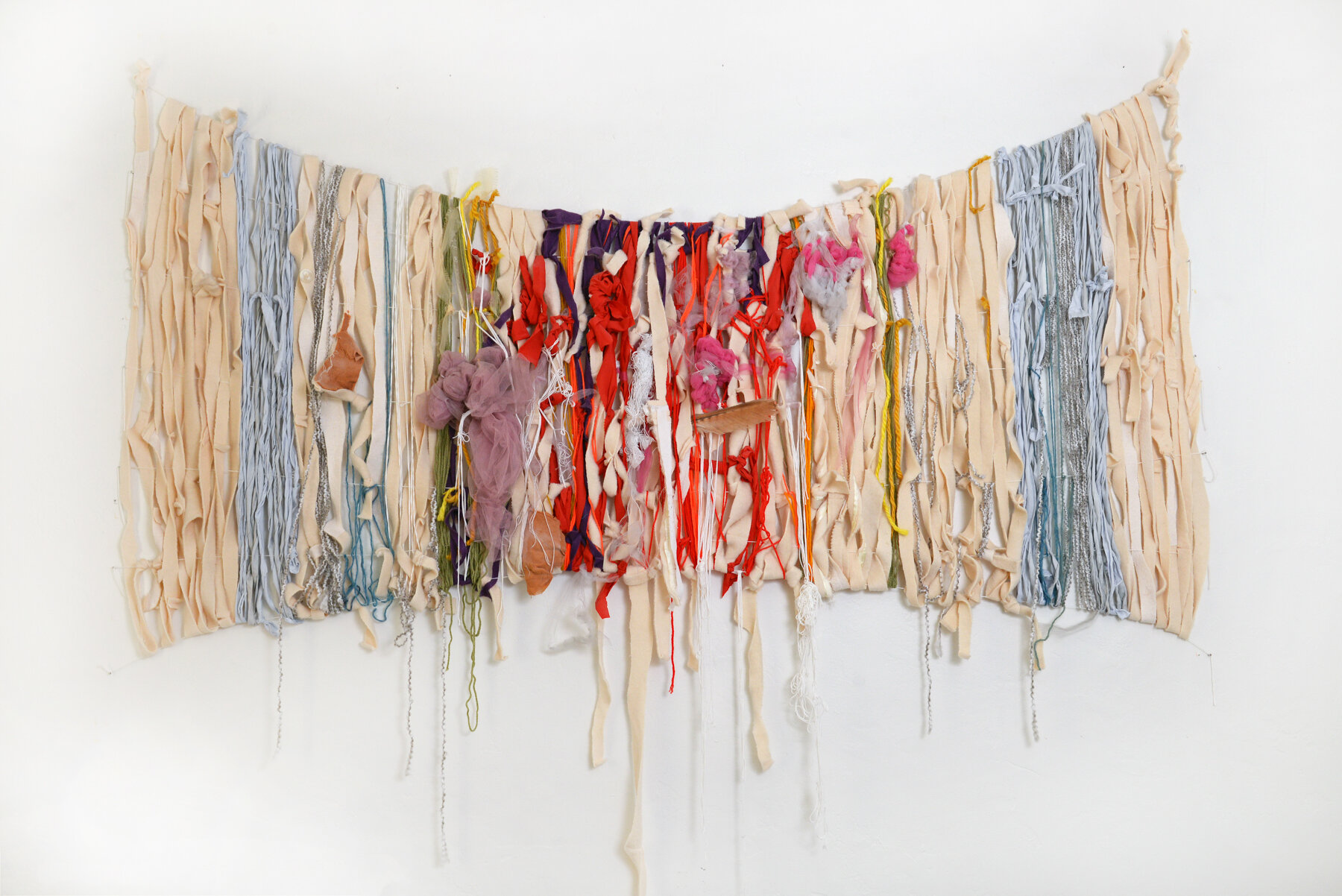
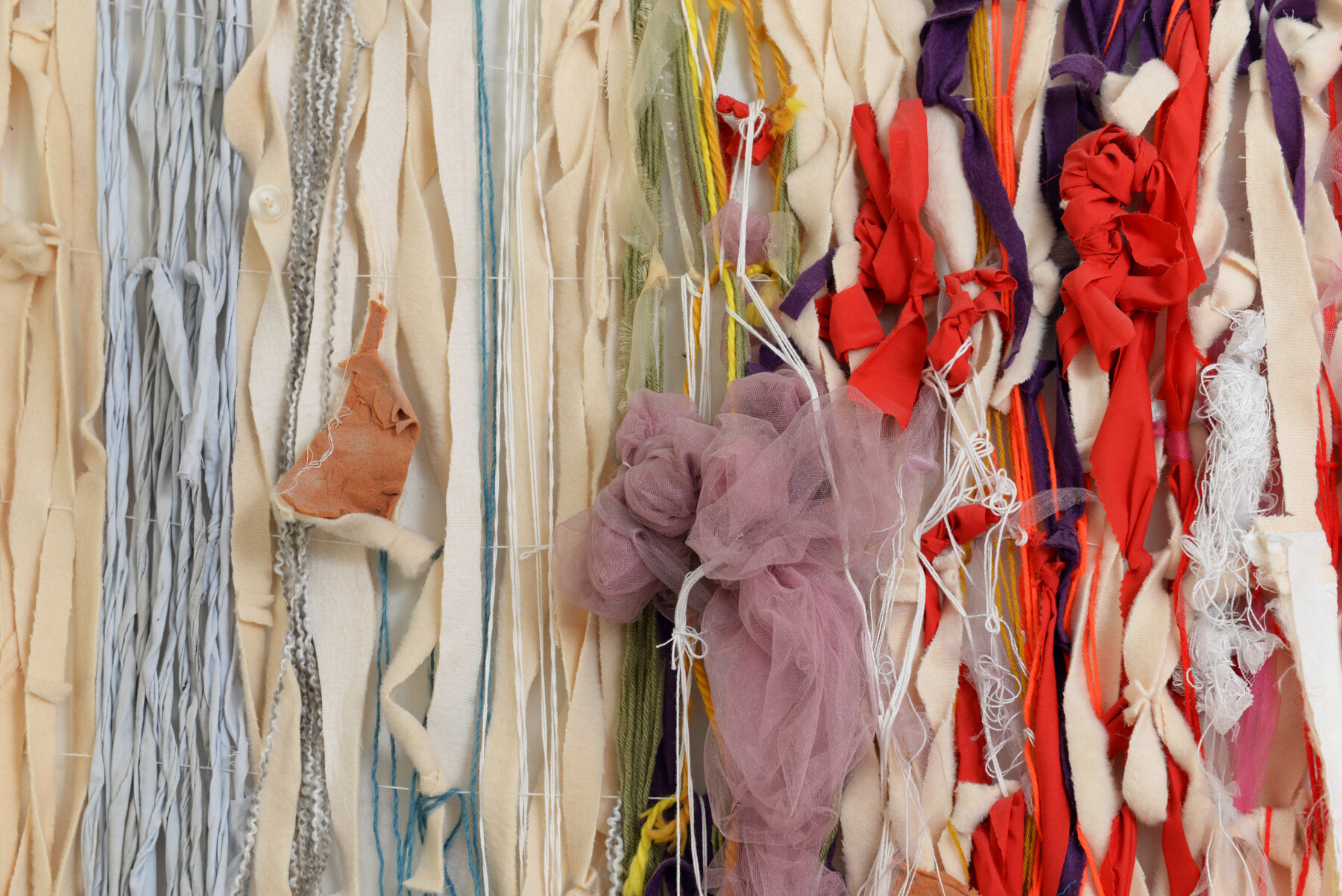
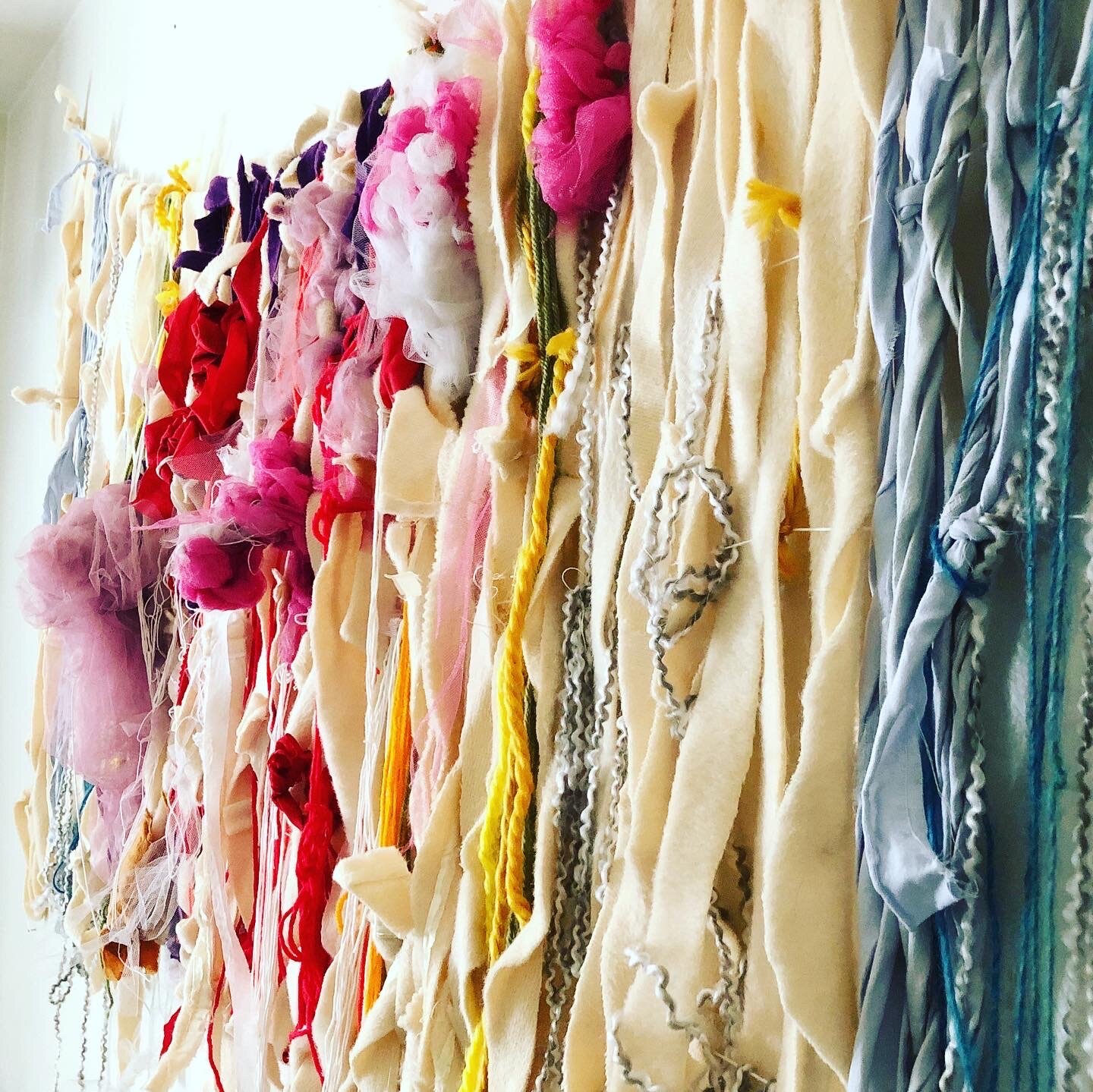
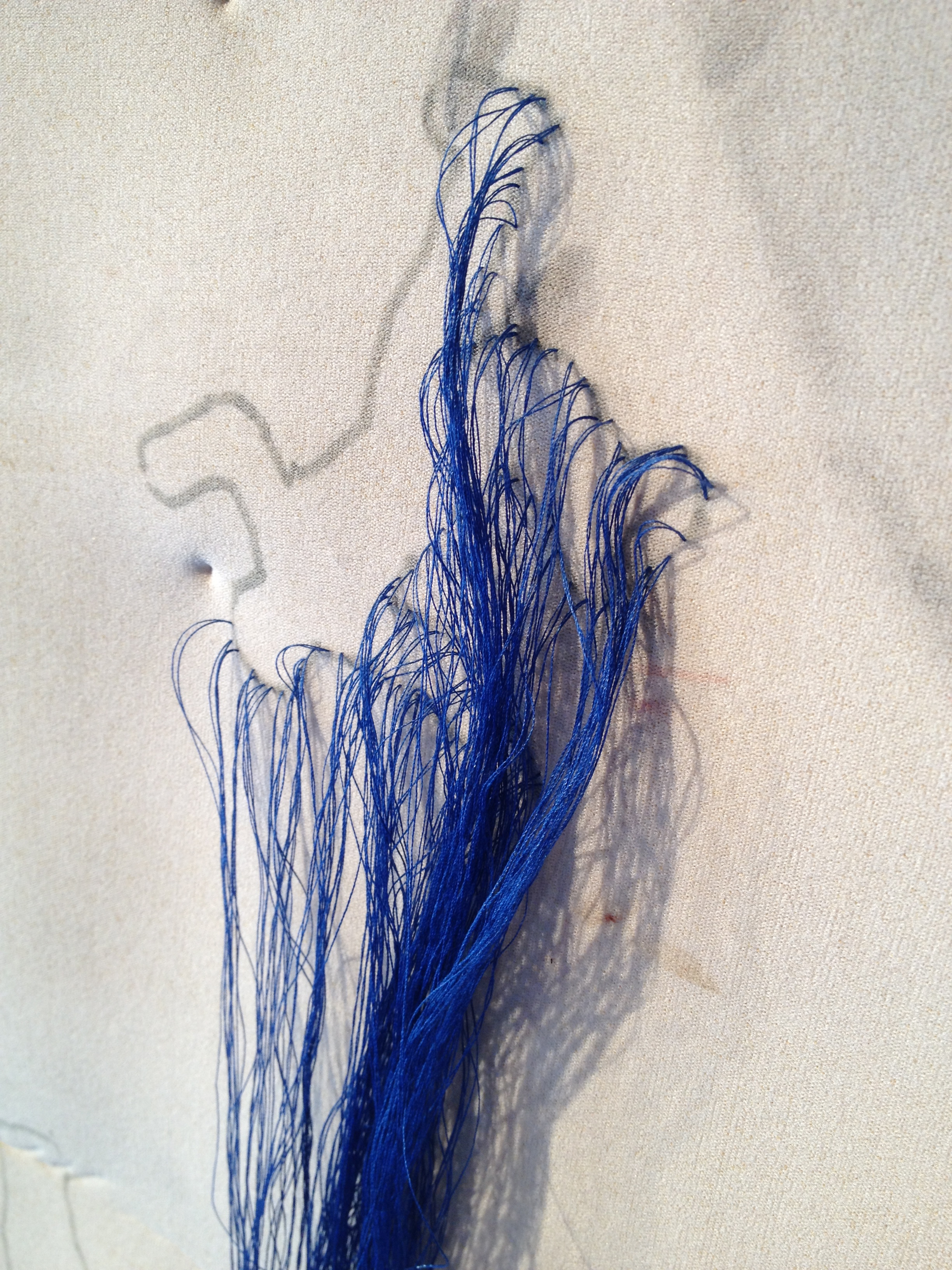
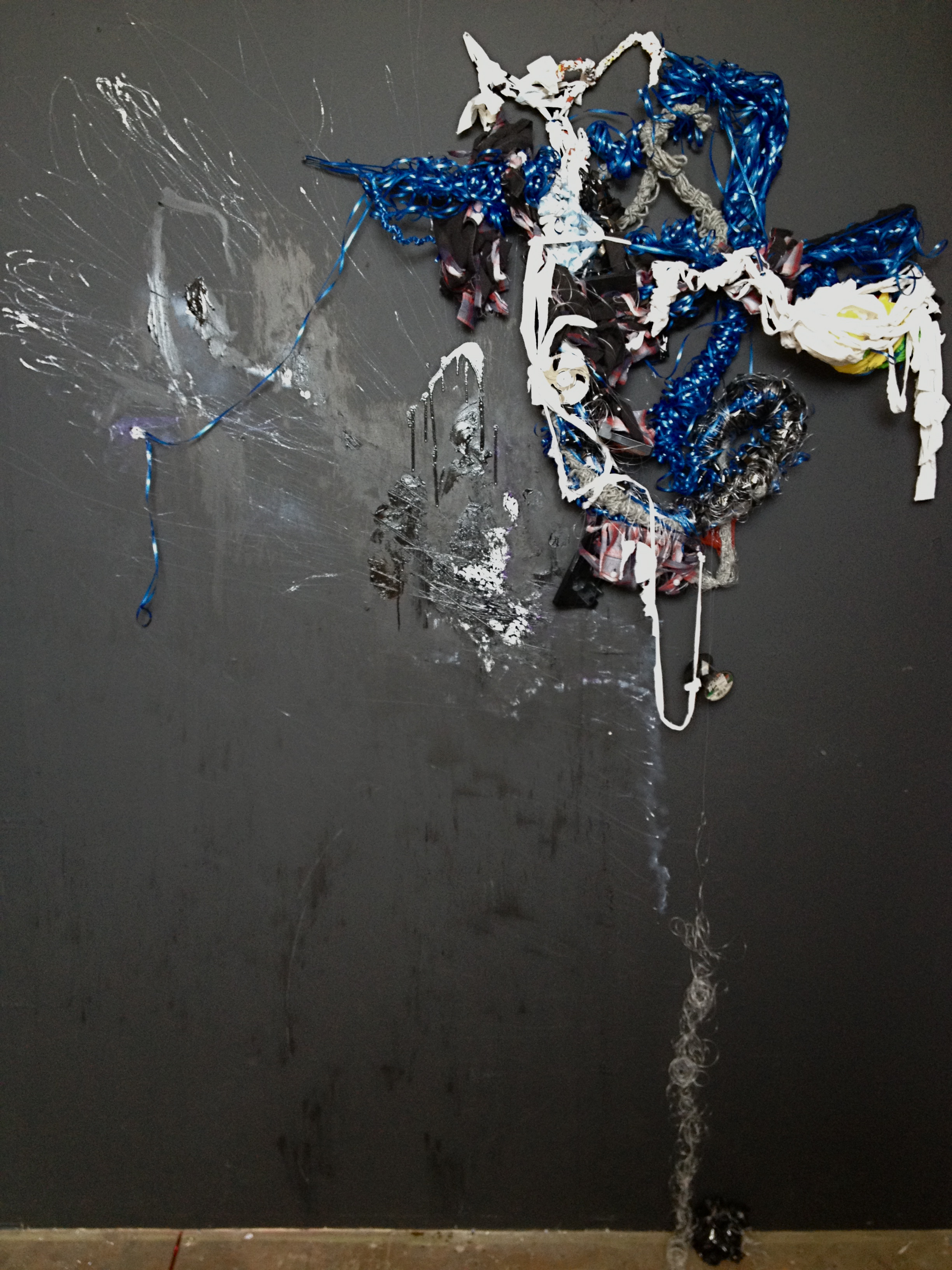
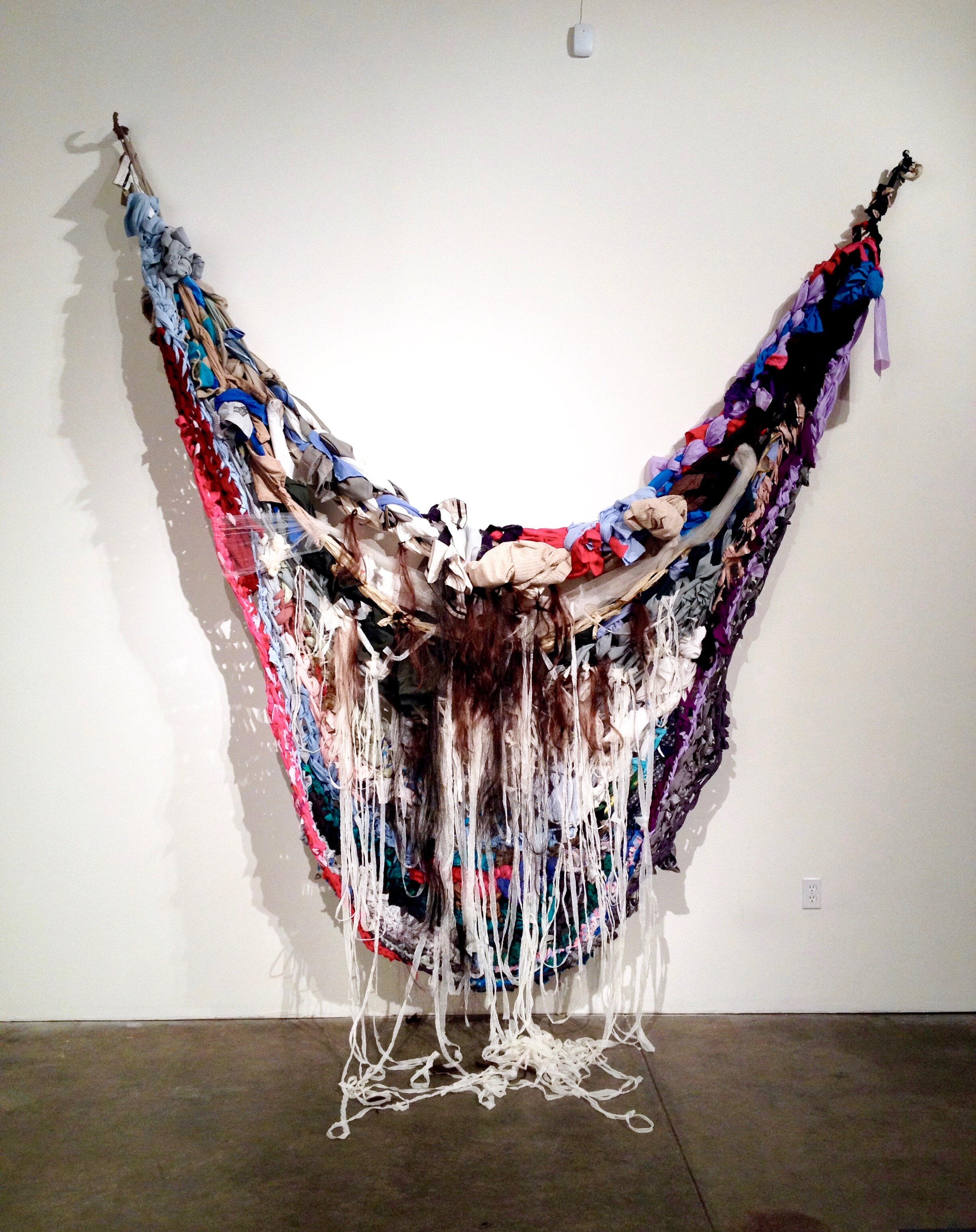
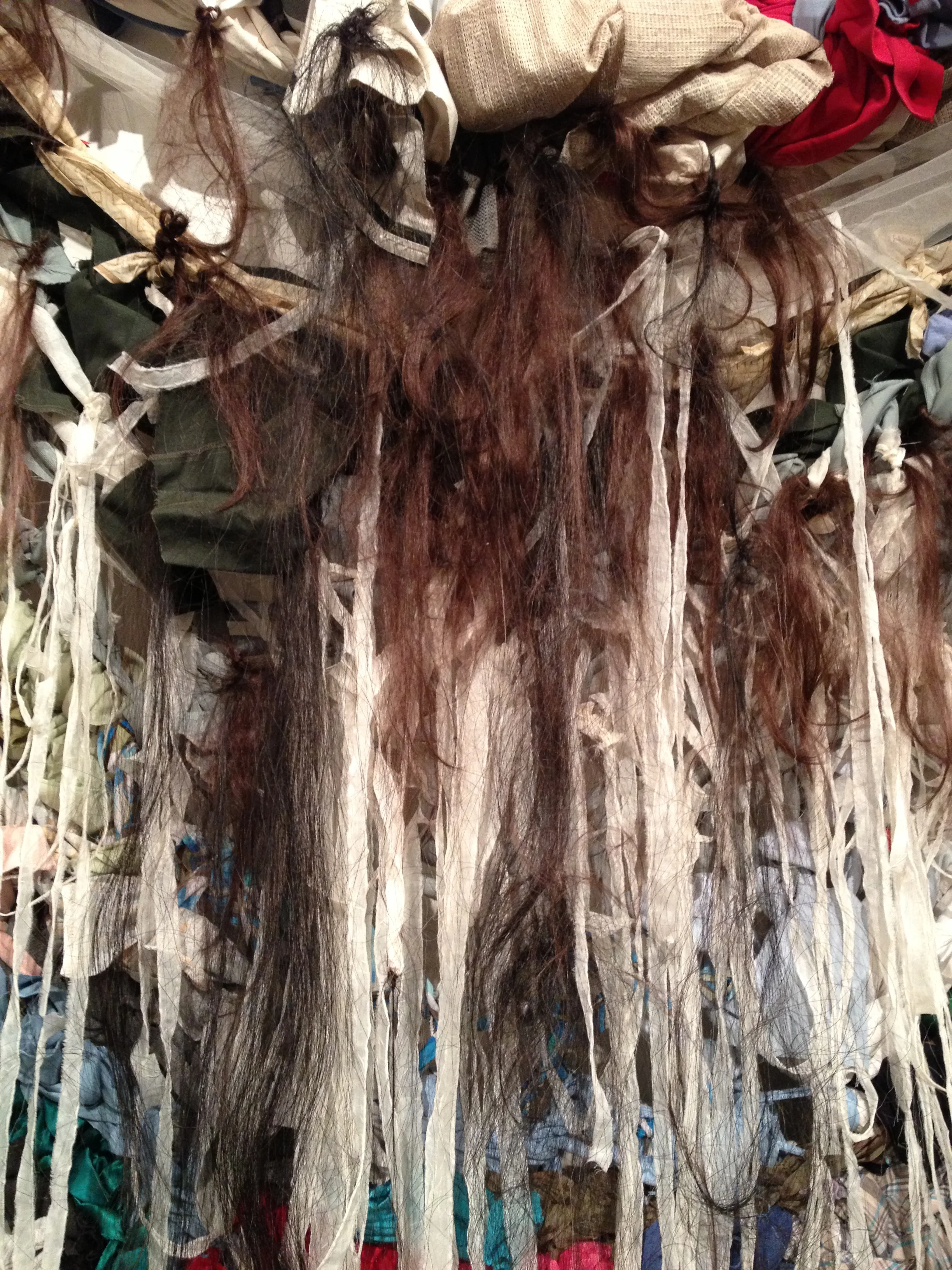
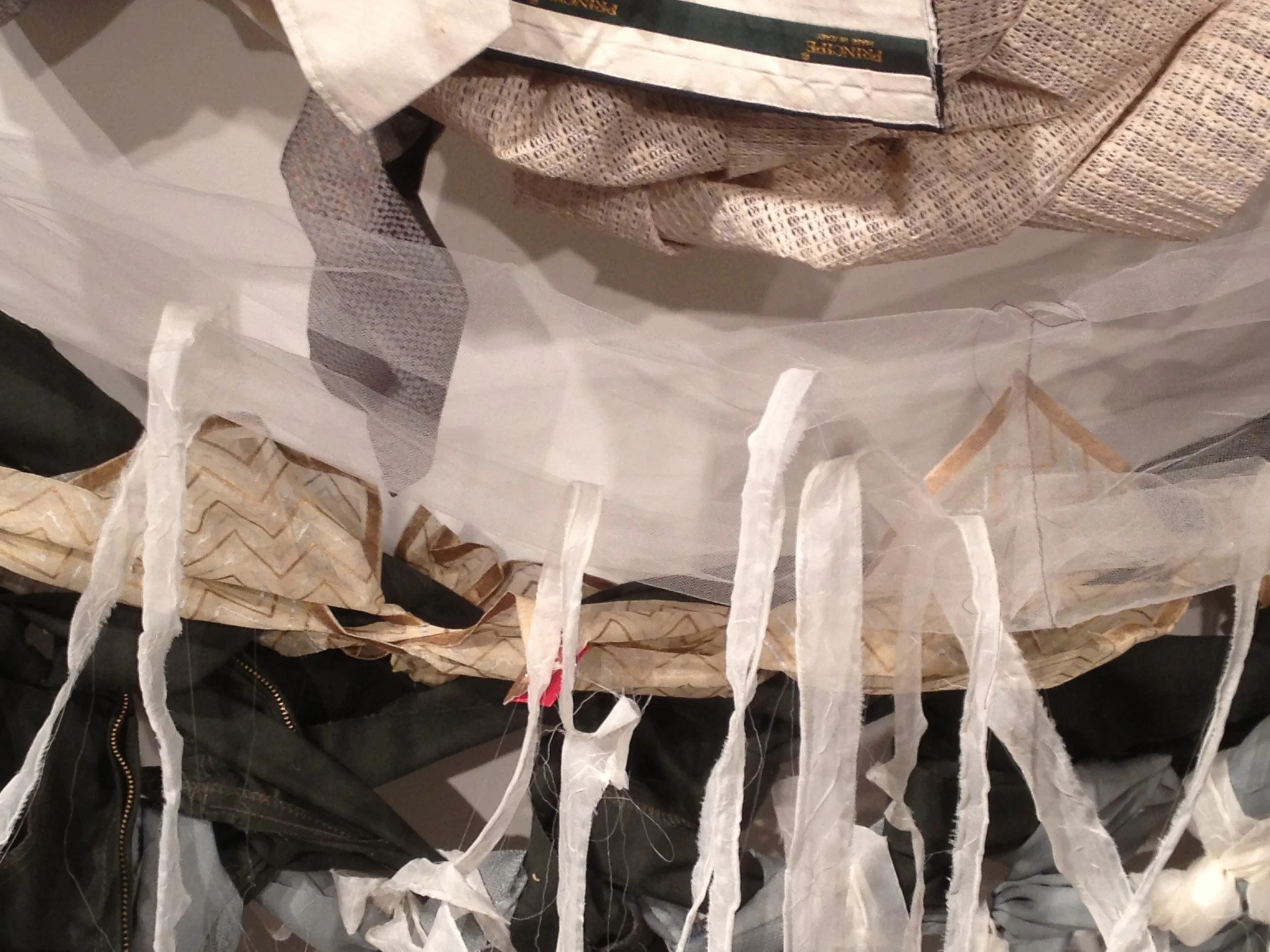
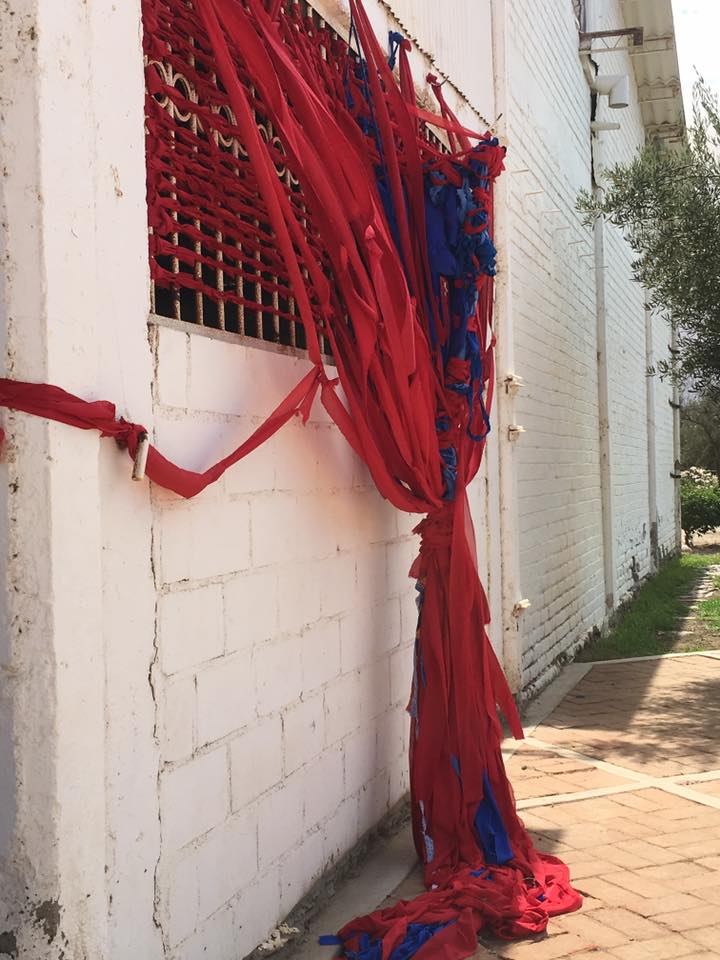
My movement research begins with my practice in modern dance, pole dance, yoga, and performance art and also extends to textiles, sculpture, and three-dimensional space. I conduct research viewing live and recorded contemporary dance performances, as well as material research in vintage textiles and costumes. I study historical uses of dress in mourning and healing rituals. I select materials with their histories in mind: vintage clothing and reclaimed materials– my wedding veil, and dried flowers, to name a few.
I collaborate with videographers and work closely with photographers to complete lighting, sound, costume, movement concepts. One photo montage I completed will be projected during the live performance of Datura. The effects are bizarre, quiet, reflective, powerful, cathartic, raw, ugly, beautiful, and contemporary, reflecting the dualities of death and life inherent in poisonous plant medicine.
I anticipate the audience experience to be cathartic, inspiring, and moving. I envision ending the finale performance with the audience being called to participate in the last few minutes in one large communal dance.
Read Art CV HERE.